

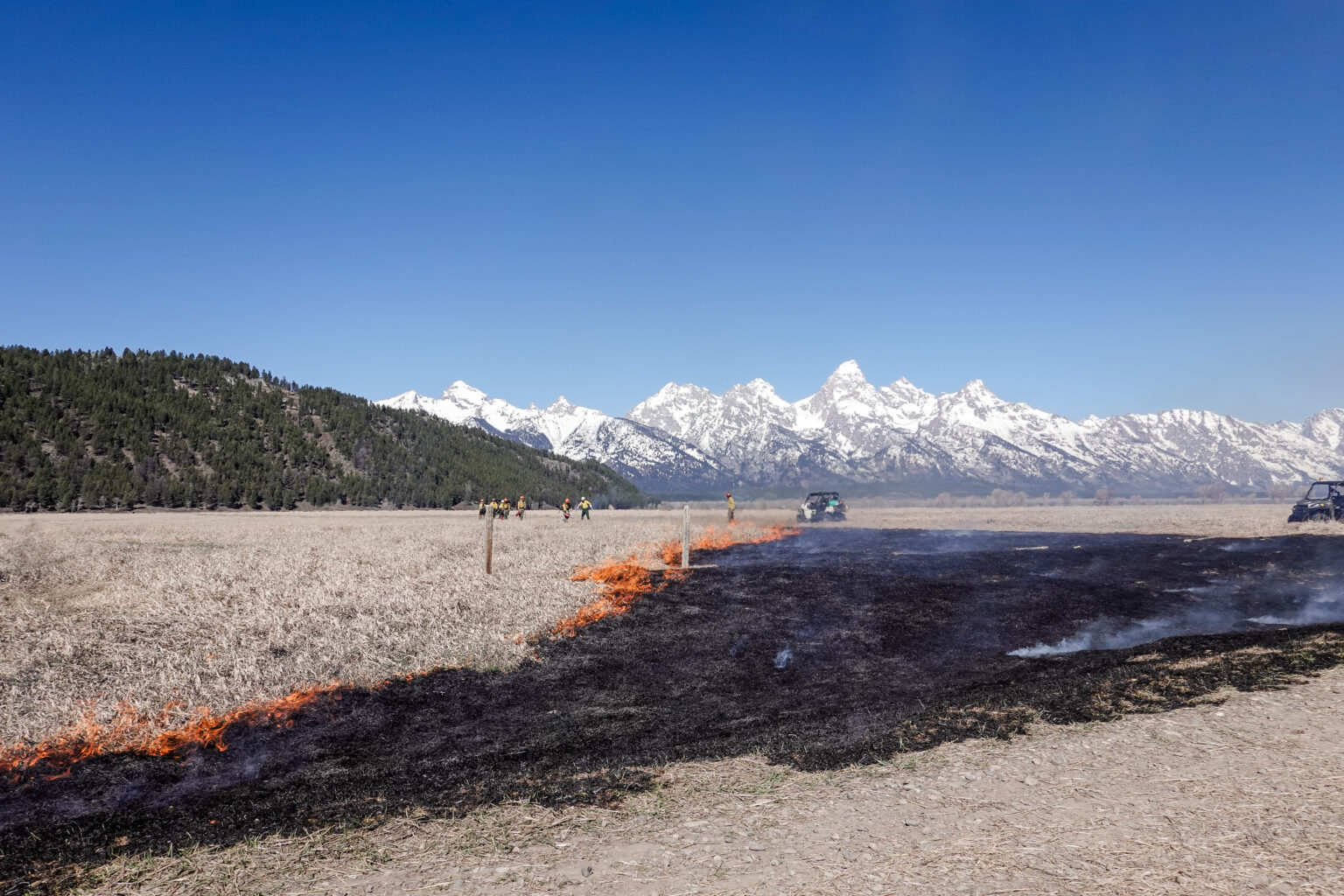
On April 9, 2026, conditions aligned just right: mild winds, temperatures near 60°F, and relative humidity within the ideal range. Fire crews within Grand Teton National Park, in collaboration with the U.S. Forest Service, had been waiting for this window for weeks. When it arrived, they purposefully set a grassy area near the Mormon Row Historic District on fire.
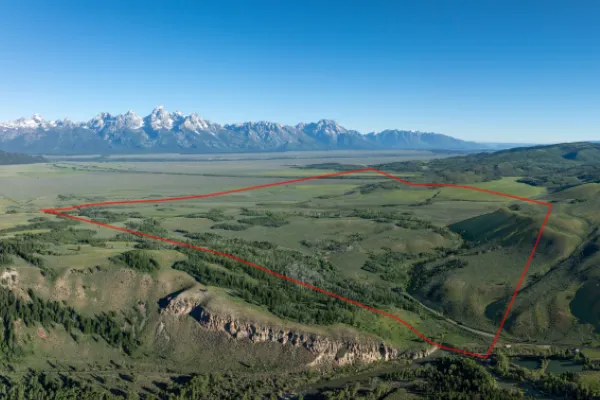
Fire is often portrayed as a destructive, ever-imposing force of nature. But in the hands of trained crews working with careful intention, it can also be one of conservation's most effective tools. In this case, a prescribed burn was implemented to target invasive grasses and noxious weeds across a 196-acre plot behind Blacktail Butte.
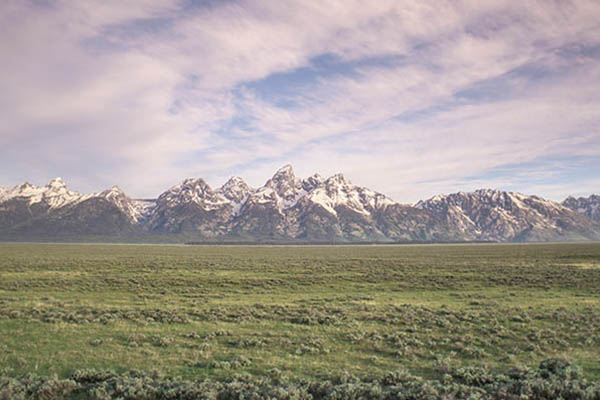
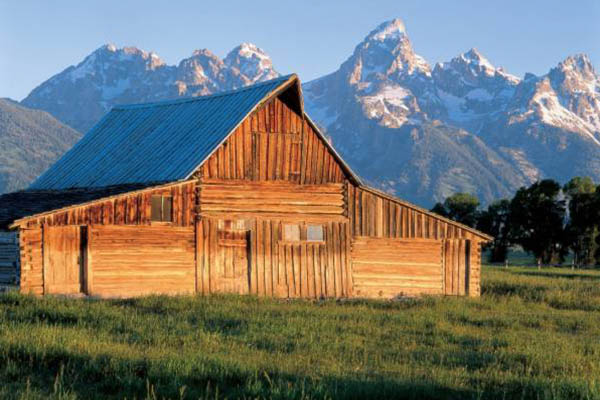
The story of how these invasive species arrived here stretches back more than a century. When homesteaders settled the Mormon Row area in the late 1800s, the surrounding grasslands were converted for agricultural use, planted with hay and other introduced crops that, over time, crept far beyond their original boundaries. Today, these non-native species quietly outcompete native grasses and shrubs, reshaping the landscape in ways that ripple through the entire ecosystem.
The ecological consequences are significant enough that restoration has become a long-term priority. Grand Teton National Park Foundation has funded sagebrush habitat restoration efforts for more than a decade, working toward the revival of 4,500 acres of disturbed landscape through ecological research, replanting and seeding, invasive species removal, and collaboration with regional experts. This prescribed burn represents a parallel effort, adding fire as a tool in the broader push toward a healthier landscape.
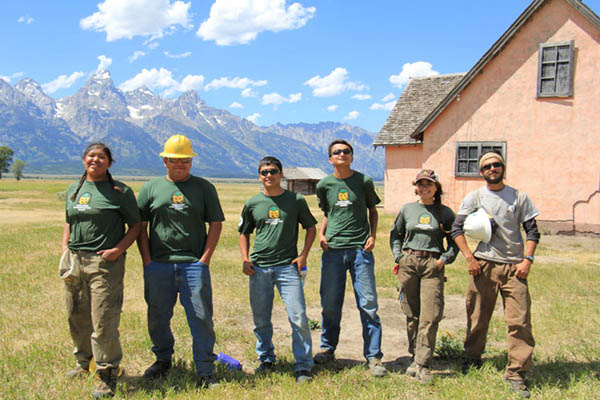
The April 9 operation was no small undertaking. More than thirty professional fire crew members from across the region and neighboring states were divided into specialized teams: some responsible for ignition, others managing the fire's size and spread using water techniques and carefully constructed burn lines. Supporting them on the ground were weather professionals monitoring conditions in real time, ecologists and plant biologists tracking the burn's impact, and EMS personnel standing by for safety. Every step was executed with precision, a testament to the expertise and coordination that responsible prescribed burning requires.
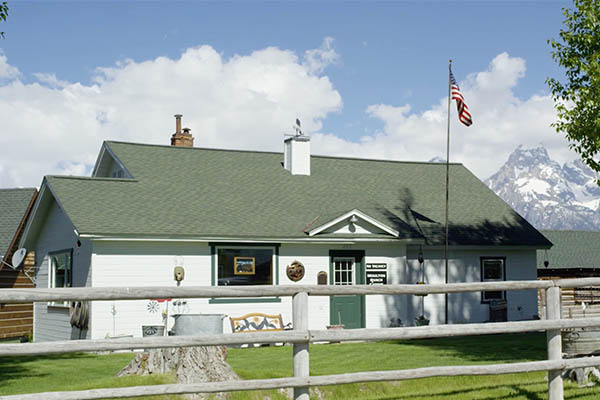
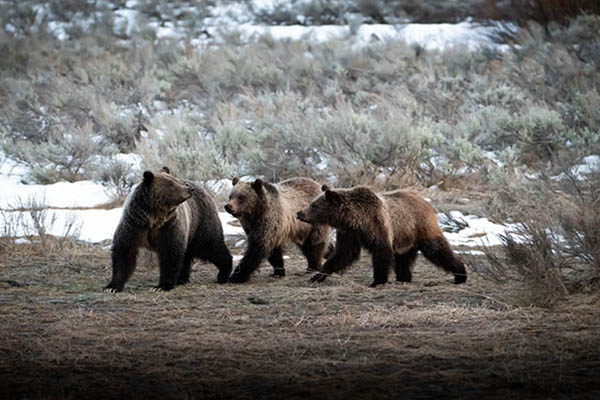
By removing invasive vegetation, the burn opened the door for native plant communities to reestablish themselves, along with the wildlife that depends on them. Bison, elk, pronghorn, sage grouse, and songbirds all stand to benefit from the return of healthy, native grasslands. The burn also reduced accumulated dry fuel near the historic structures of the Mormon Row Historic District, lowering the risk that a future wildfire could threaten these irreplaceable landmarks.
Now that the smoke has cleared, crews will return to assess the site and begin the next phase: reintroducing native grasses and sagebrush. The work is far from over, but the implementation of this prescribed burn is an important step toward a healthier, more resilient landscape.