
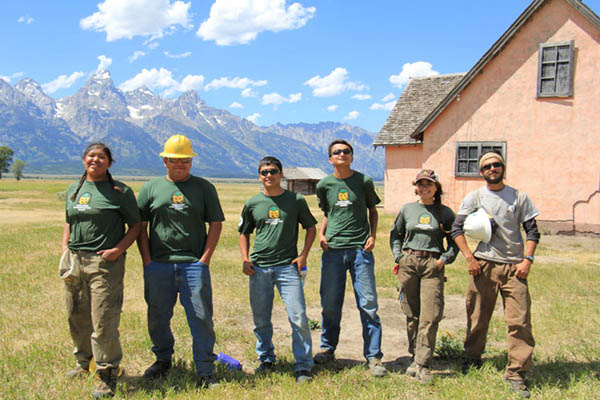

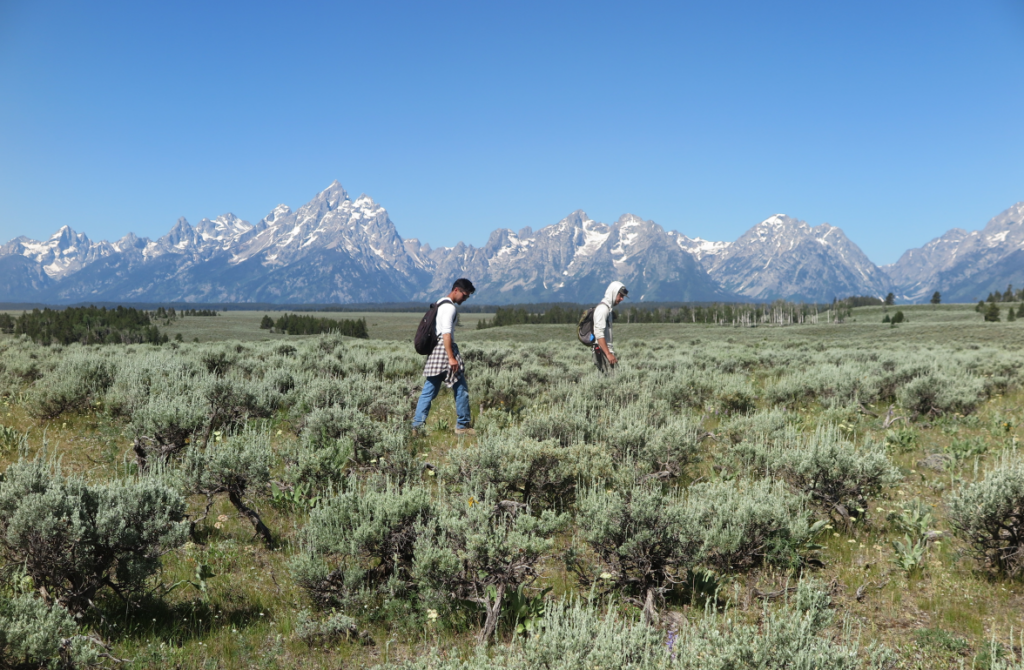
When University of Wyoming reached out to ask if Grand Teton National Park and the Foundation would be willing to host and support the archaeology research of two graduate students, it was an easy yes. James Trosper and Xavier Littlehead spent the summer of 2025 completing research in Grand Teton National Park, work that will help them develop and refine proposals for their upcoming master's programs.
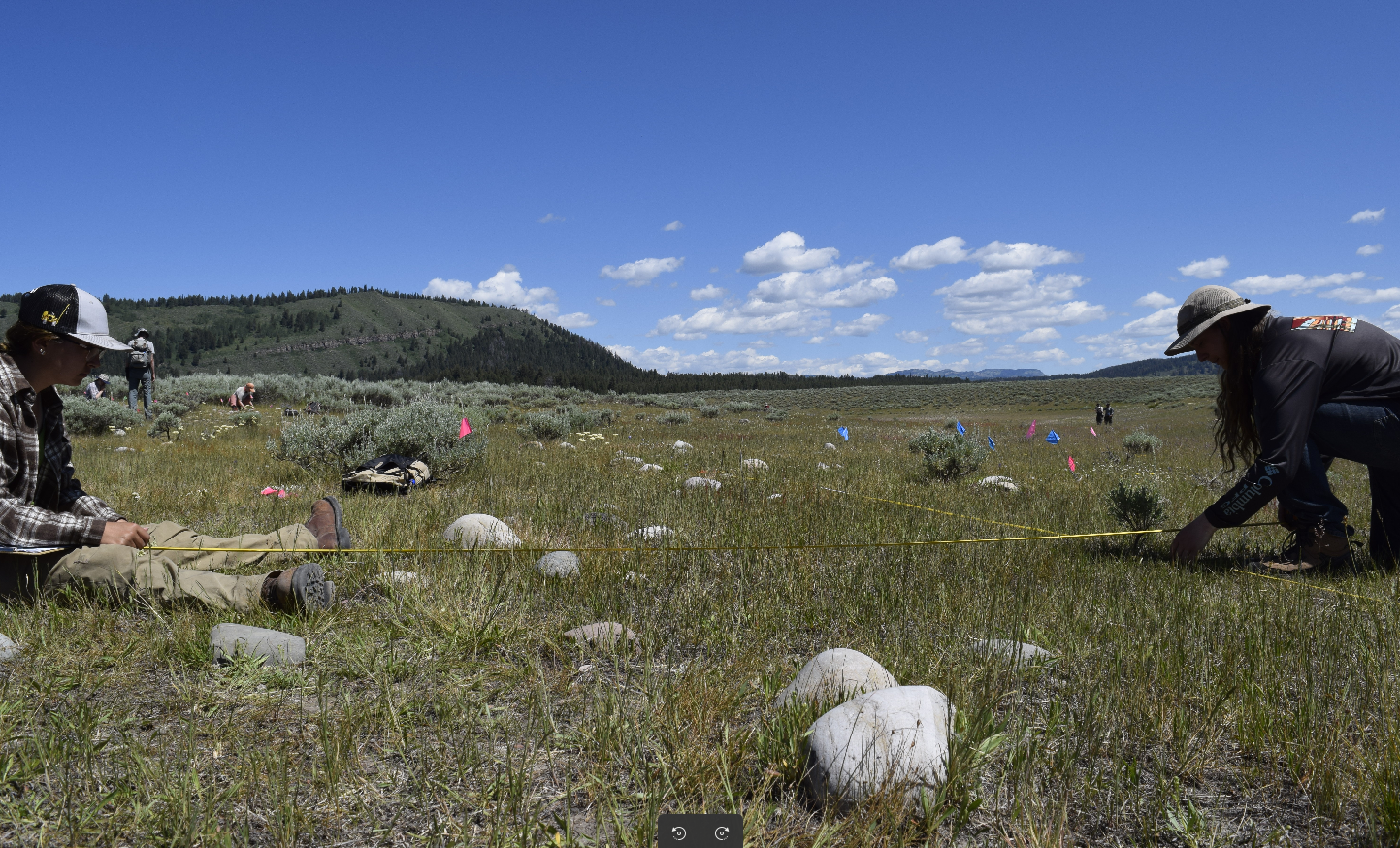
Both James and Xavier are Native American and share a commitment to educating Native nations and the broader public about the human history of Grand Teton National Park from a cultural perspective. James spent the summer analyzing and building models for archaeological sites through field documentation and investigation of historical records held in the Grand Teton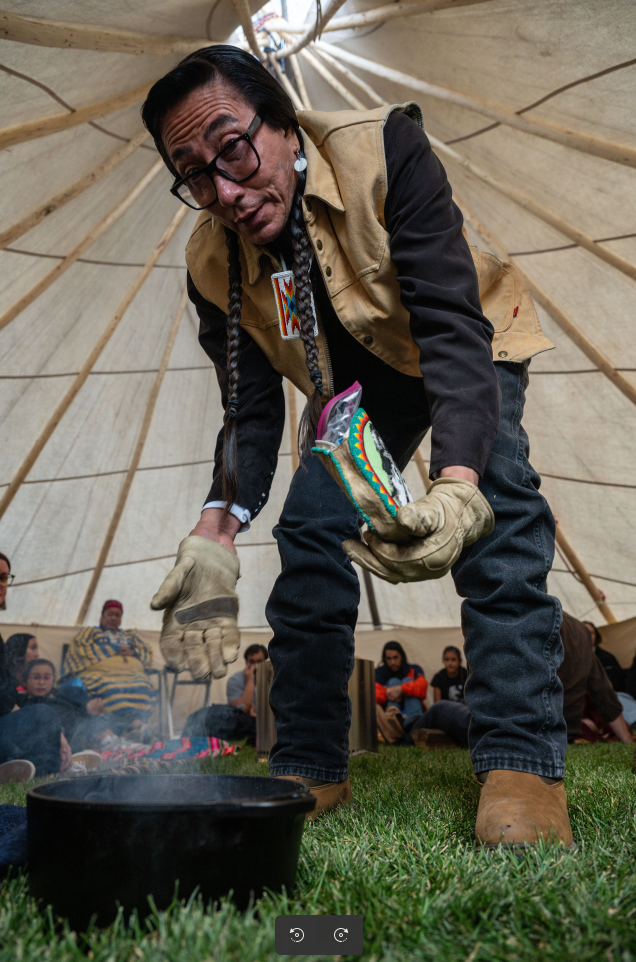 archives. Ceremonial architecture anchored his research, as he used historical documents and photographs to distinguish materials associated with everyday domestic activities from those used for ceremonial purposes. Foundation funding allowed James to visit specific archaeological sites within the park and access essential resources available only in the physical archives.
Xavier investigated the last 2,000 years of demographic history in Grand Teton National Park through the study of stone-circle sites, otherwise known as tipi rings. By documenting these sites, he was able to generate population estimates and gain insight into patterns of habitation, as the presence of tipi rings points to Native American settlement over time. This kind of comprehensive catalogue has never before been completed, and it provides invaluable information about how humans have interacted with this landscape for millennia. Xavier's research also identified numerous opportunities for future fieldwork, which he plans to pursue in 2026 with the help of equipment made possible through Foundation funding.
James and Xavier shared their findings at a Native American Heritage Month event called Tipi Talks, where questions, comments, and ideas from fellow community members helped shape and deepen their research.
The work of James and Xavier is a reminder that understanding Grand Teton National Park means understanding the full depth of its human story, one that stretches back thousands of years and continues to be told by the communities with the deepest ties to this land. The Foundation is proud to have supported this research and looks forward to the discoveries still to come.