.avif)

Preservation Work Ensures Longevity of Bar BC Dude Ranch

If you've walked down from the parking area along River Road to this scatter of weathered log cabins above the Snake River, you're standing on the site that shaped Jackson Hole's dude ranching industry. This is the Bar BC, the second dude ranch established in the valley.
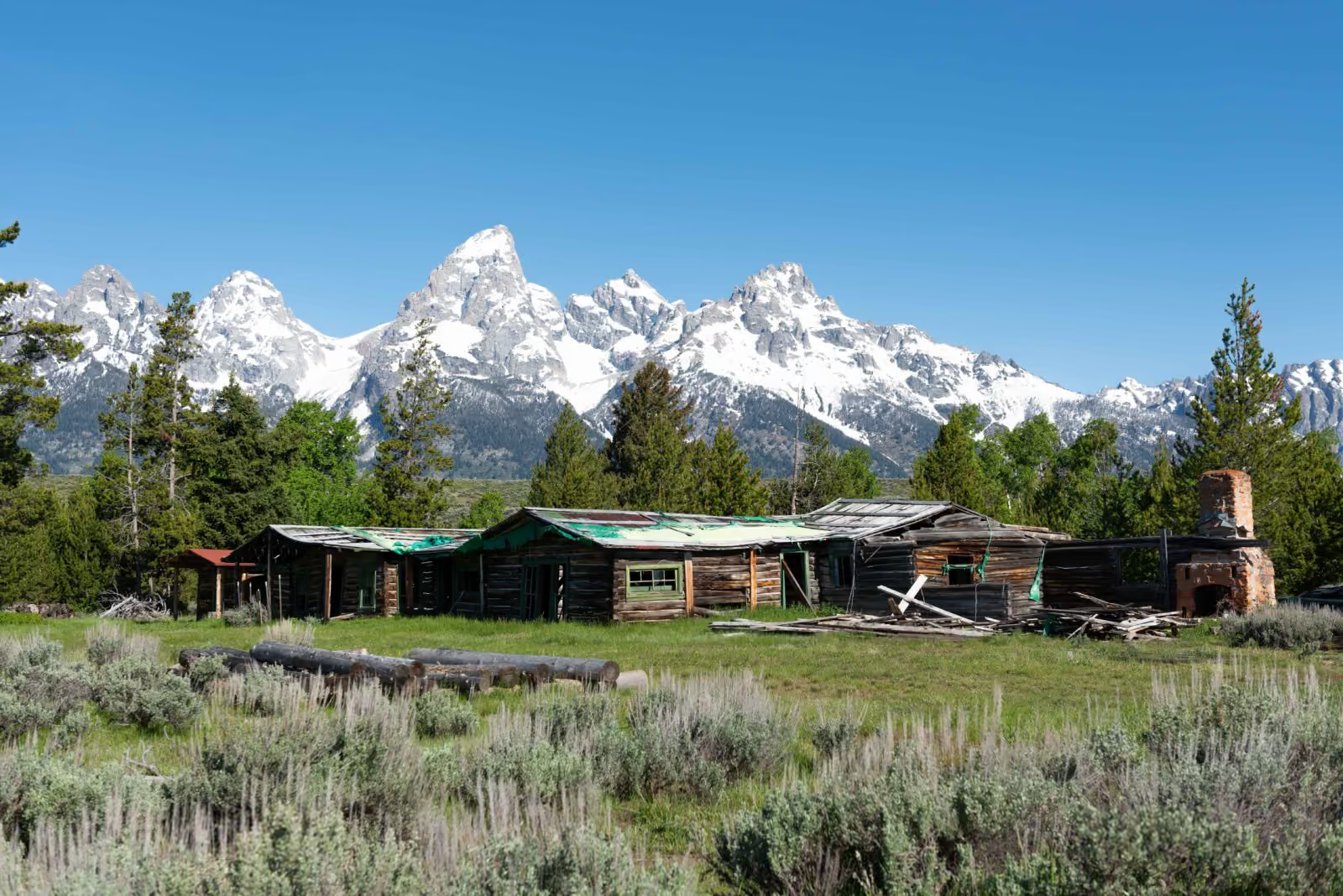
The story starts in 1911, when Maxwell Struthers Burt, a Princeton-educated writer from Philadelphia, and Dr. Horace Carncross, a physician working at the nearby JY Ranch, went looking for a place to start a ranch of their own. They spent a season scouting the valley on horseback before settling on a stretch of land along the Snake River, chosen partly for its views of the Tetons and partly for a steady breeze that kept the mosquitoes at bay. The following spring they filed homestead claims, hired help, and began building cabins for their first fifteen guests.
Growth came fast. Within a decade the ranch controlled more than 600 acres and had grown to forty five buildings, including a sprawling main lodge with two dining rooms, several bunkhouses, a blacksmith shop, and its own laundry. By the early 1920s, as many as fifty paying guests were staying at a time. Days at the Bar BC revolved around riding, ranch chores, and pack trips into the backcountry. But evenings had a different character entirely. The ranch attracted a steady stream of writers, socialites, and other notable guests over the years. Costume parties, original plays, and literary discussions filled the nights, and Burt's 1924 memoir The Diary of a Dude Wrangler, did as much as anything to popularize the whole idea of a dude ranch vacation across the country.
The Bar BC's influence didn't stop at entertainment. Former guests, wranglers, and employees went on to found a dozen or more of their own dude ranches throughout the valley.
The ranch sold in 1929 to a land company assembling property for what would become Grand Teton National Park, though a lease allowed dude operations to continue for years afterward. Guest operations wound down around World War II, and the property remained under private lease until 1986, when it passed fully to the National Park Service.
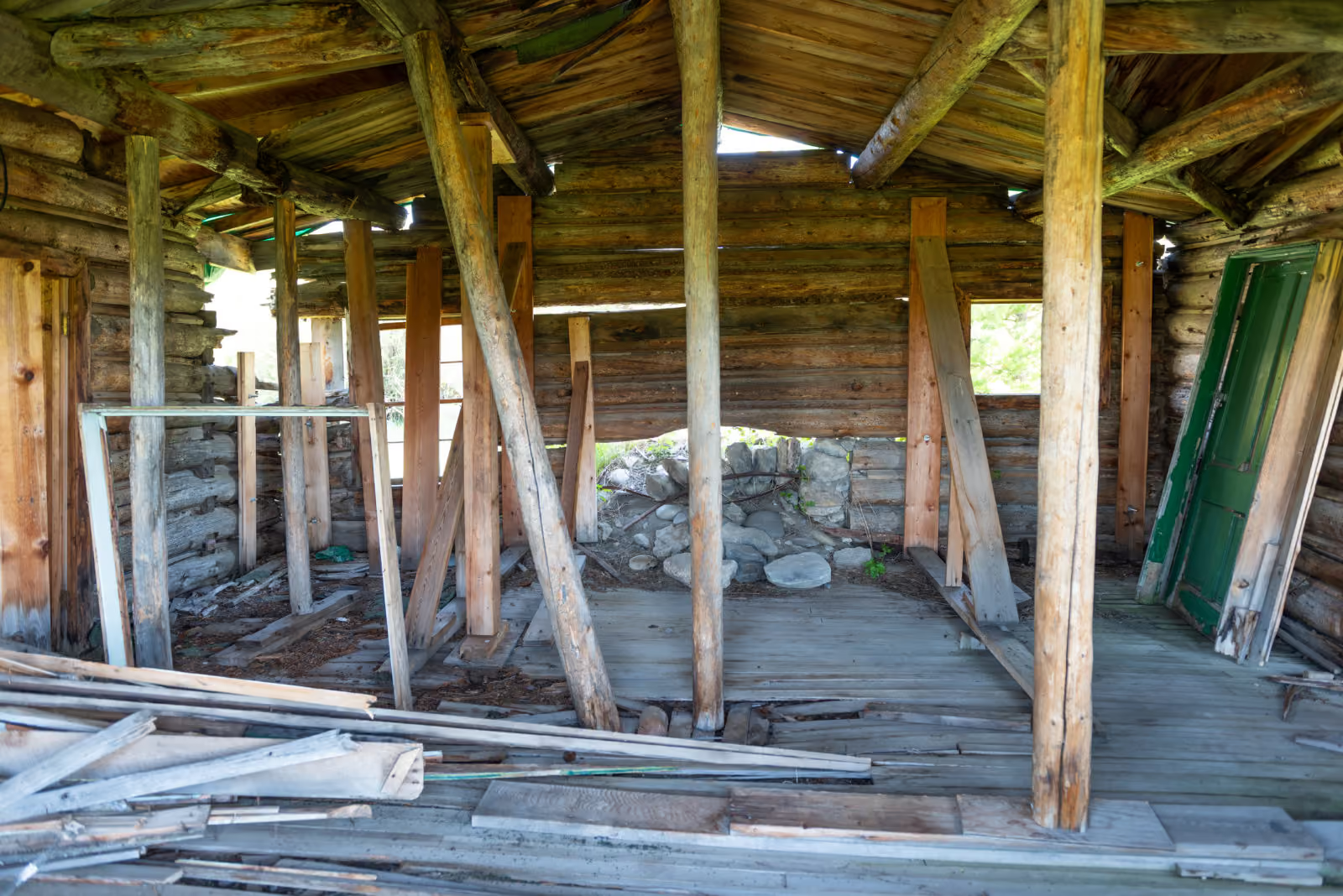
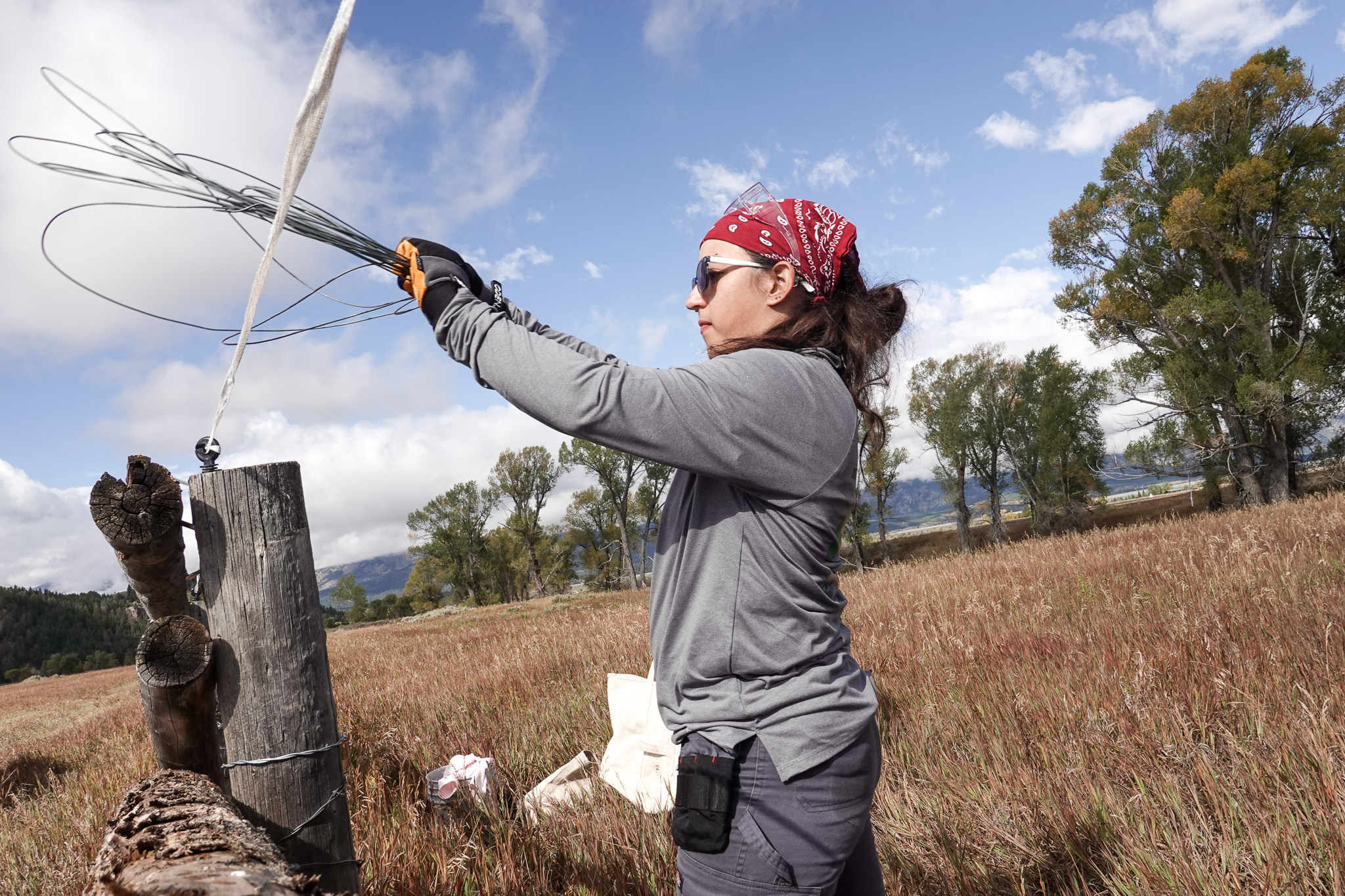
Decades without regular upkeep took a toll on the Bar BC's log structures. By the 2010s, many of its buildings , including the Main Cabin and Corse Cabin, were in serious disrepair. Grand Teton National Park Foundation partnered with the park's cultural resources staff to launch a multi-year stabilization effort. The project has been guided by a simple principle: preserve the original form, materials, and character of the buildings rather than restore or rebuild them. Many of the iconic structures have since been restored and work at the historic Office and Dance Hall is ongoing.
Today, walking among the stabilized ruins is about as close as visitors can get to the world Burt described in his memoir—one of the few remaining sites that shows what dude ranching in beneath the Tetons actually looked like.
Learn more about other historic preservation projects supported by Grand Teton National Park Foundation.
EXPLORE MORE STORIES:
.jpg)