.avif)


Wildlife & Natural Resources
Grand Teton National Park anchors the Greater Yellowstone Ecosystem, one of the last large, nearly intact temperate ecosystems on Earth, where careful stewardship has preserved a landscape and wildlife largely unchanged for thousands of years. Today, increasing visitation, land use and development patterns, environmental change, and invasive species threaten the delicate ecological relationships that define the park.
Activities supported by this initiative take meaningful steps to safeguard the long-term ecological integrity of Grand Teton National Park and the surrounding ecosystem, while strengthening its ability to adapt as conditions evolve.

Snake River Health
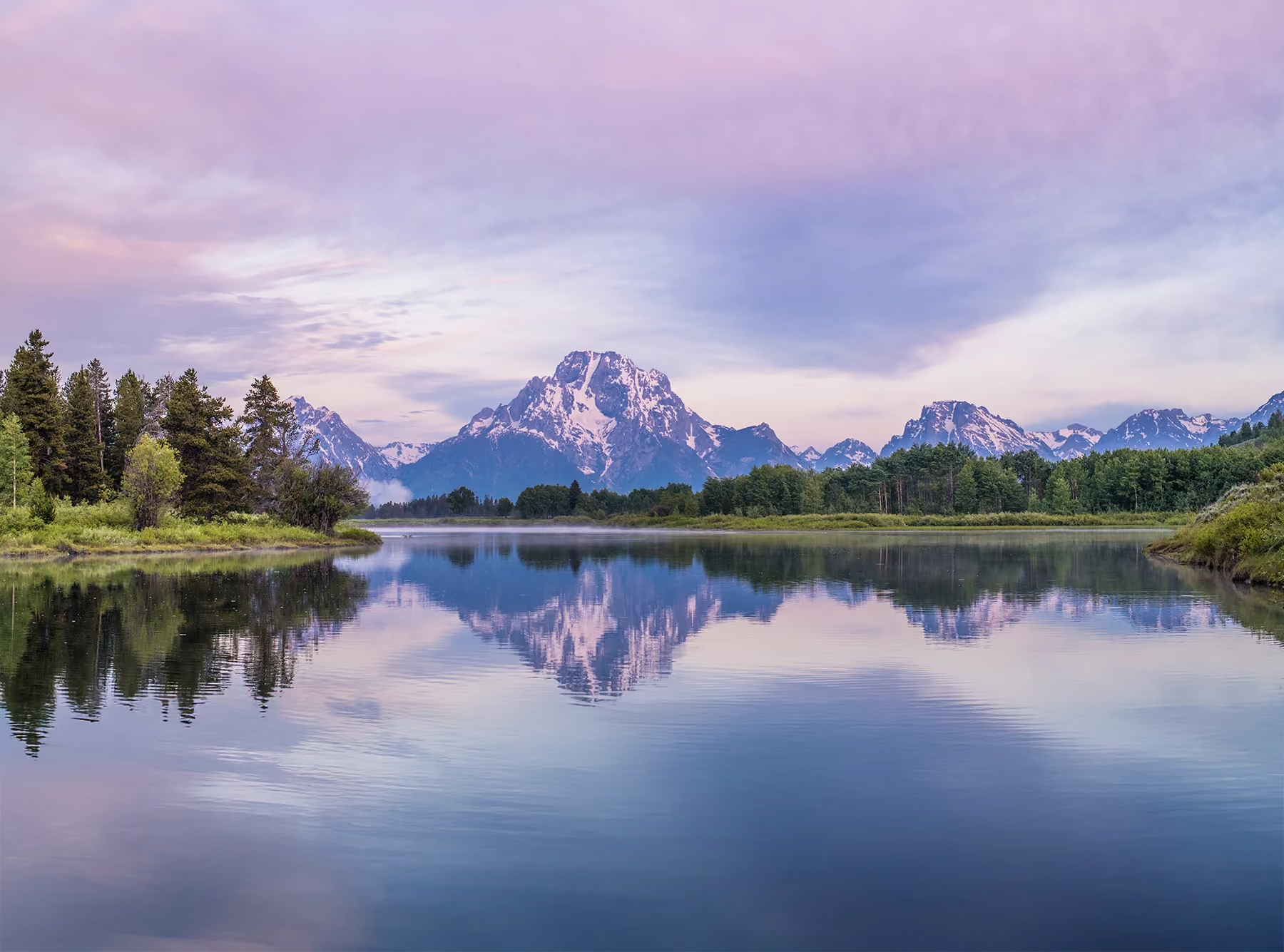
The Snake River is central to the ecological health of Grand Teton National Park, nourishing wetlands, wildlife, and the broader landscape it shapes. Efforts to safeguard the river focus on science-based research, stakeholder collaboration, and strategic conservation projects that protect water quality, habitat, and long-term ecosystem function.
Migration & Habitat Connectivity
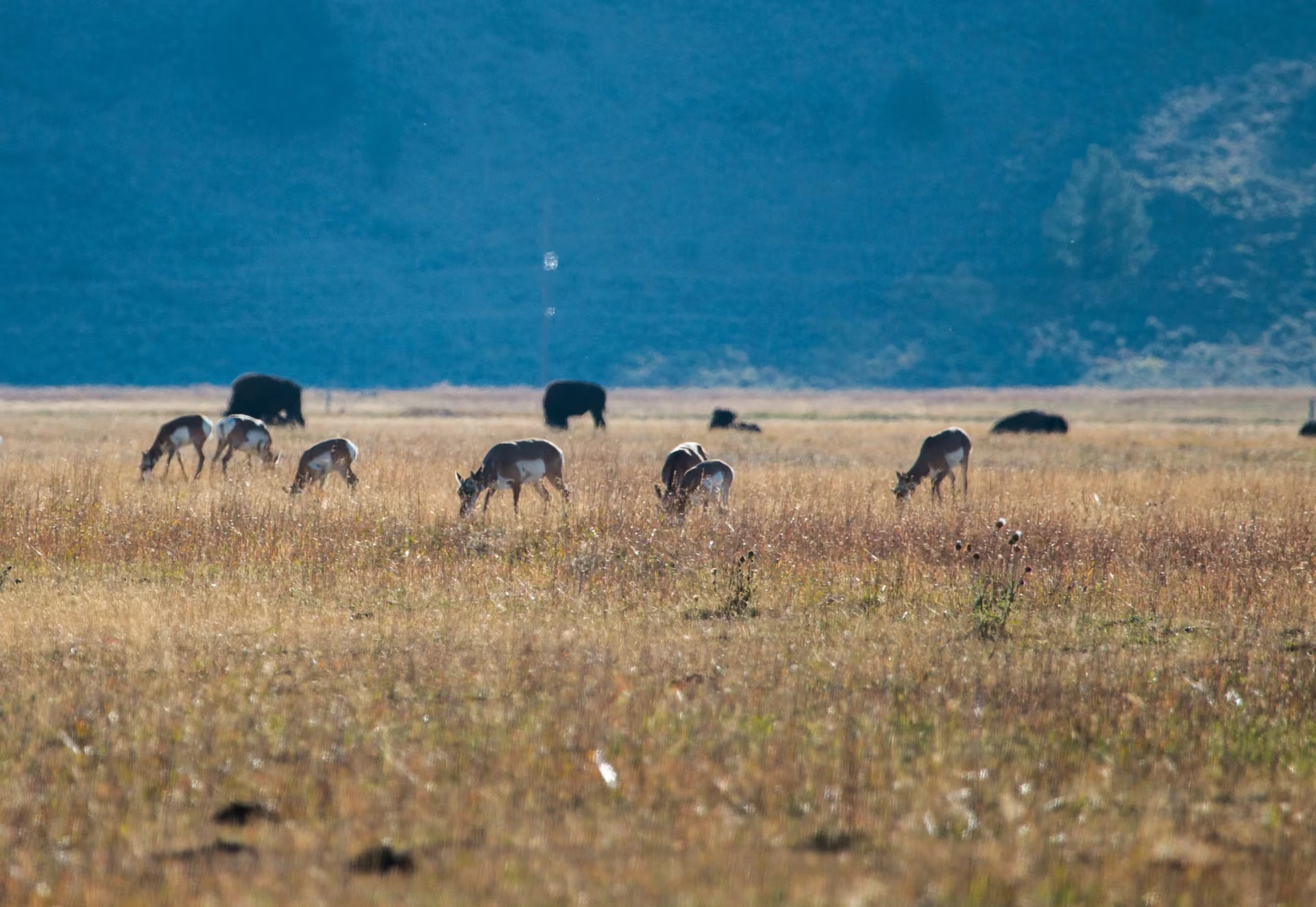
Many wildlife species rely on connected migration corridors that extend within and beyond Grand Teton National Park. Seasonal movement, whether for food, breeding, or winter refuge, is vital to their survival. Protecting these connected landscapes ensures wildlife can move freely, adapt to change, and maintain strong, sustainable populations over time.
Wildlife Research & Conservation
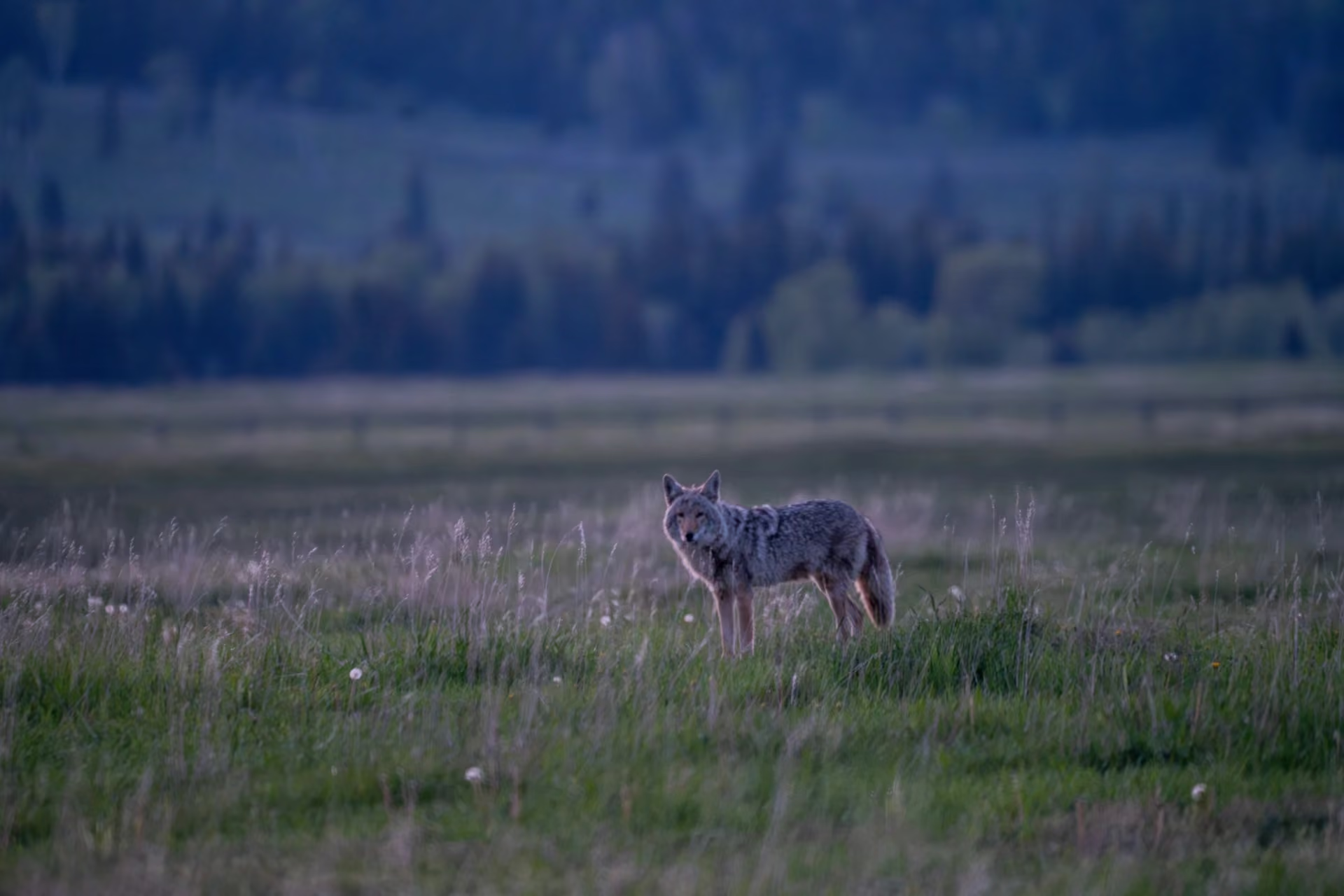
Each year, thousands of visitors come to Grand Teton National Park hoping to witness its extraordinary wildlife: from roaming herds to soaring raptors and native fish. While these species are naturally resilient, increasing environmental pressures and habitat fragmentation make stewardship and conservation efforts more important than ever.

310,000 ACRES
1,000 SPECIES
60 SPECIES
300 SPECIES

SNAKE RIVER HEALTH
The Snake River is the lifeblood of Grand Teton National Park, sustaining the surrounding landscape and providing critical habitat for countless species. The Foundation’s Snake River Health initiatives are designed to protect this essential resource through targeted research and conservation. Current projects include:
Glacier Research and Monitoring: As conditions continue to change, the park's small alpine glaciers face an uncertain future. Since 2015, physical science staff and climbing rangers have collected hundreds of GPS measurements across glacier surfaces to track changes in ice volume over time. Expanding this monitoring will help scientists better quantify rates of ice loss and understand the cascading effects on water resources and park ecosystems.
Stream and River Assessment: Streams and rivers throughout the valleys of Grand Teton are monitored to better understand their overall health. Data gathered informs infrastructure and roadway planning, supports coordination with agencies on runoff forecasting and flow releases, and helps strengthen landscape resilience in the face of potential flow extremes.
CLIMATE RESILIENCY
Changing visitation patterns, land use, environmental shifts, and invasive species all threaten the sensitive ecological relationships that define Grand Teton National Park. The Foundation supports initiatives that supplement the park's finite operating resources and make meaningful strides toward long-term ecological integrity and the park's ability to adapt as conditions evolve. Current projects include:
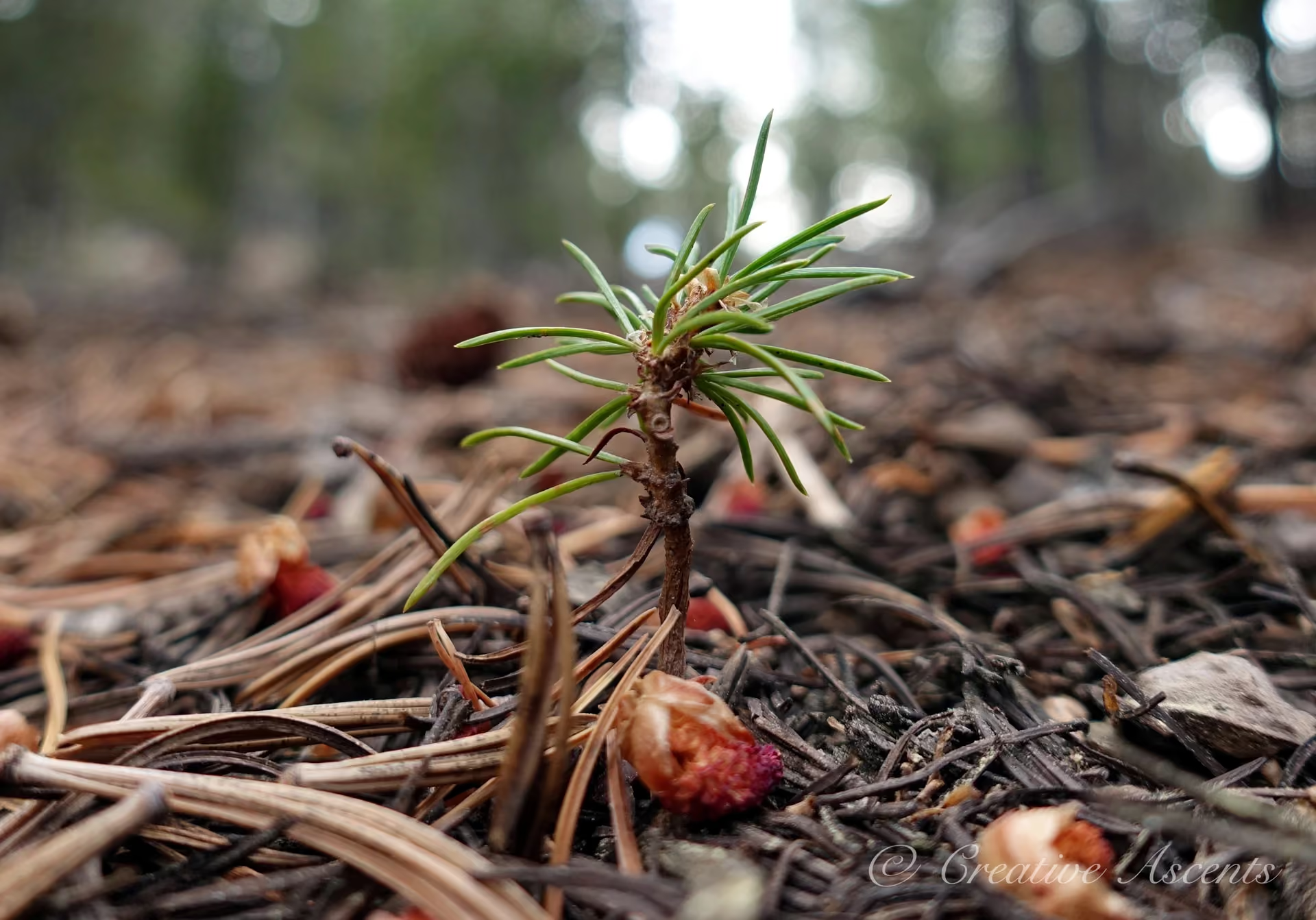
Monitoring Whitebark Pine: Whitebark pine plays a critical role in regulating snowpack and supporting wildlife, but faces growing threats from blister rust and mountain pine beetle outbreaks. With Foundation support, park biologists have worked to identify disease-resistant trees and protect high-value seed sources, culminating in significant re-planting efforts across the park's high-elevation landscapes.
Sagebrush and Grassland Habitat Restoration: At lower elevations, 4,500 acres of sagebrush and grassland habitat are being actively restored following decades of agricultural conversion. Since 2013, the Foundation has partnered with the park to remove nonnative species, propagate native seed, and restore 1,400 acres thus far.

.avif)
MIGRATION & HABITAT CONNECTIVITY
A wide range of wildlife species depend on protected corridors within and beyond Grand Teton National Park. For most, seasonal movement is essential for accessing food, breeding habitat, and winter survival. The Foundation supports monitoring efforts and conservation of connected landscapes so these species continue to move safely across the ecosystem, adapt to changing environmental conditions, and sustain healthy populations for generations to come. Current projects include:
Songbird Monitoring: Songbirds are key indicators of ecosystem health. Through sustained monitoring by participating in the continent-wide MAPS program, researchers in Grand Teton are able collect data on bird productivity and survival to identify trends and inform conservation decisions for vital habitats.
Mule Deer Migration Research: Data collection over the last decade has resulted in in the discovery, and subsequent protection of eight previously undiscovered migration paths. Since then, park biologists have developed partnerships with other federal and state agencies as well as private conservation organizations to actively facilitate large-scale habitat conservation where potential threats on seasonal ranges may exist.
WILDLIFE RESEARCH & CONSERVATION
Each year, thousands of visitors come to Grand Teton National Park hoping to witness its extraordinary wildlife. While the many species are naturally resilient, increasing environmental pressures and habitat fragmentation make stewardship and conservation efforts more important than ever.The Foundation’s funding of the following wildlife conservation projects supports science-based research, habitat protection, and proactive management to ensure that the wildlife defining this ecosystem continue to thrive.
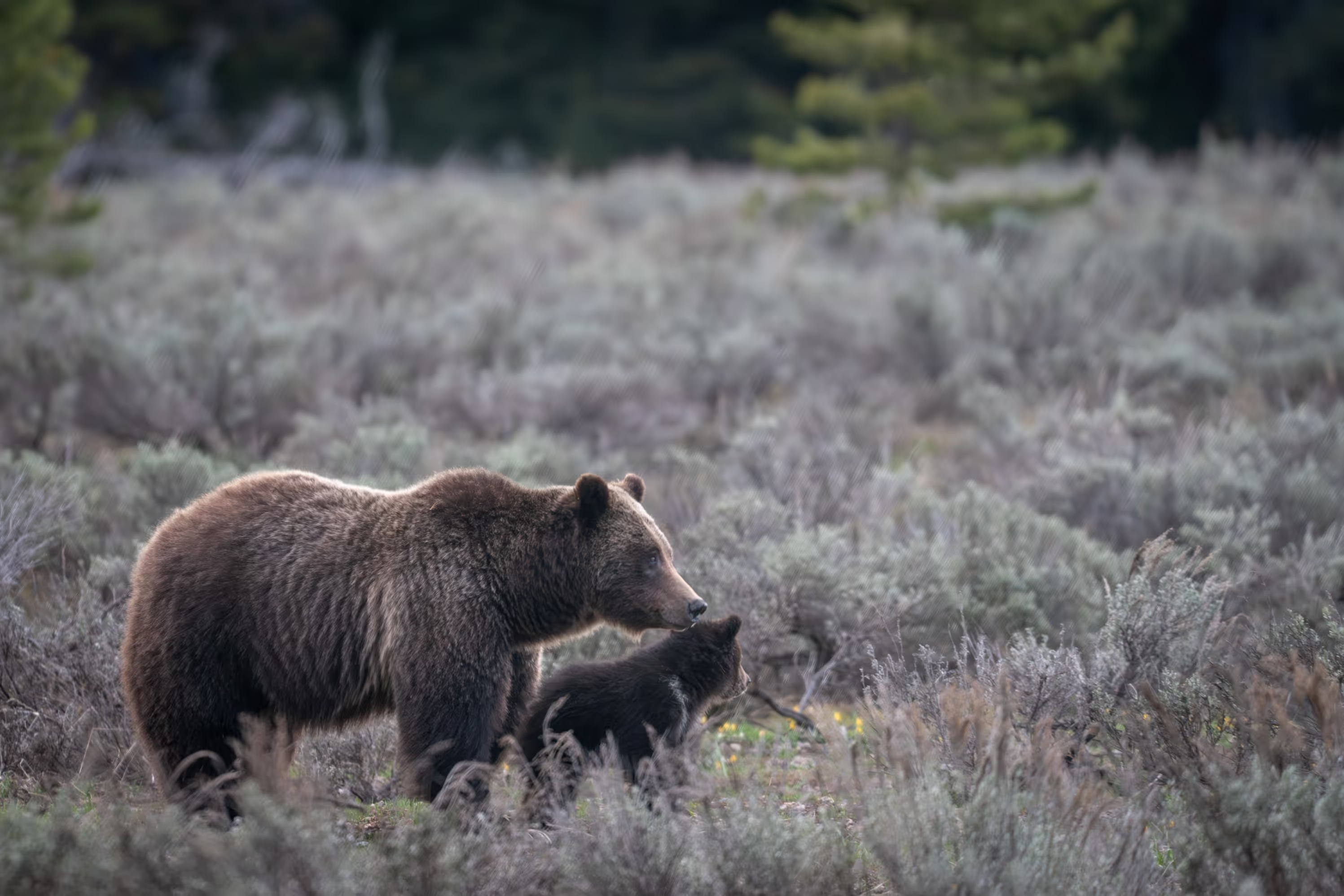
Among the most beloved of Grand Teton’s wildlife are black and grizzly bears, however increased human-bear interactions that threaten to disrupt the safety and longevity of these apex predators. The implementation of a number of bear research and conservation efforts ensures bears continue to flourish in healthy habitats.
Status and Ecology of Gray Wolves: Since their reintroduction in 1995, park wolves have become part of a broader network of roughly five packs that occupy Grand Teton National park and surrounding areas. Long-term monitoring of population health helps scientists better formulate conservation plans with a deeper understand of how human activity influences wolf movements, distribution, and denning areas within the park.
Bighorn Sheep Population Monitoring: Bighorn sheep in the Teton Range persist as a small, high-elevation population that depends on limited summer forage to survive long winters and successfully reproduce. This project uses advanced field research and modeling to assess how much high-quality habitat the landscape can support, essential information to guiding conservation and recovery efforts.
Bear Conservation: Among the most beloved of Grand Teton’s wildlife are black and grizzly bears, however increased human-bear interactions that threaten to disrupt the safety and longevity of these apex predators. The implementation of a number of bear research and conservation efforts ensures bears continue to flourish in healthy habitats. One of the most effective tools in this effort is the bear box: a simple solution that keeps food secured and bears wild.

QUEEN OF THE TETONS
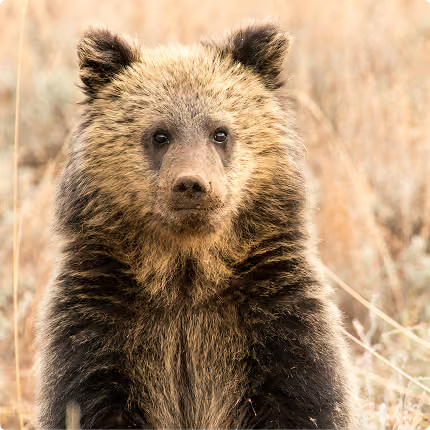
Grizzly bear 399 died on October 22, 2024 at the age of twenty-eight. She was an ambassador for grizzly bears and wildlife conservation, inspiring millions across the globe with her extraordinary story.
Known by her Interagency Grizzly Bear Study Team research number, 399 became renowned over the years as one of the more commonly observed and photographed wild grizzly bears—raising her cubs in habitat that was visible from roads in Grand Teton National Park. 399 was the oldest known reproducing female grizzly bear in the Greater Yellowstone Ecosystem, giving birth to eighteen known cubs during her lifetime. 399’s story showcases remarkable resilience within a changing landscape and strong maternal instincts in the wild.