.avif)


Ranger support
Grand Teton National Park’s rangers serve as the frontline for visitor education, responsible recreation, technical and advanced mountain rescue, emergency medical response, and resource protection in one of the most rugged and heavily visited landscapes in the country.
The Foundation funds ongoing training, modern equipment, and dedicated wellness support so rangers are prepared to respond when minutes matter, help is far away, and conditions are unpredictable.


3+ Million VISITORS
90 RESCUES
20% of RANGER'S time
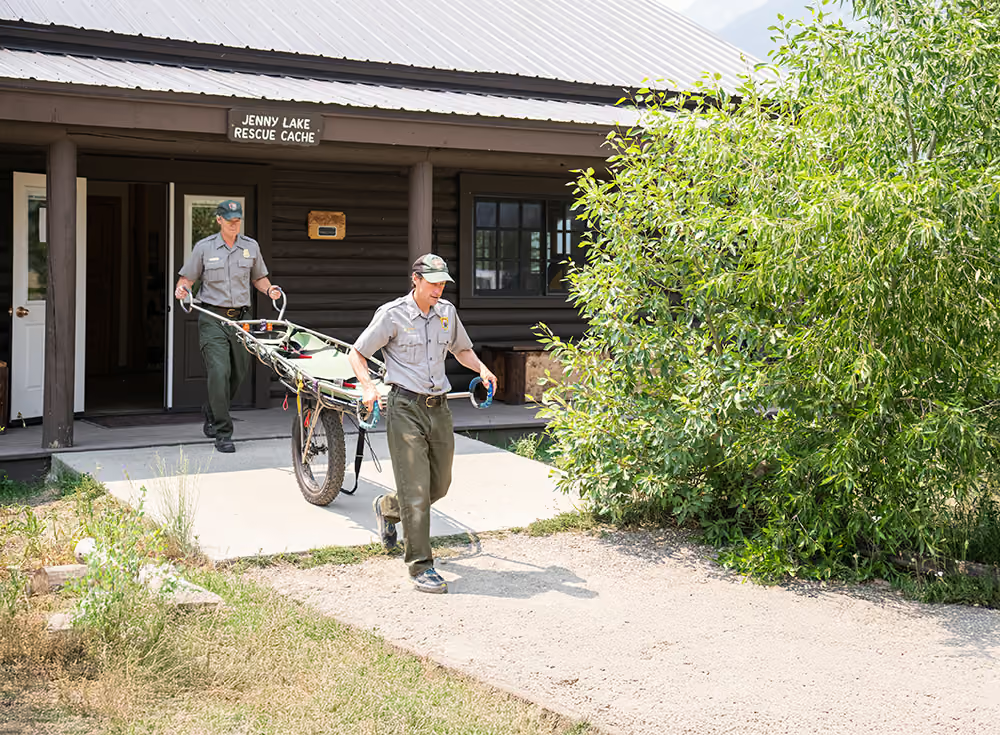
JENNY LAKE RANGERS
The Foundation supports the Jenny Lake Rangers, Grand Teton's elite search and rescue team. Rangers walk trails, educate visitors, assess route conditions, and issue overnight permits, but responding to those in need is their most critical responsibility. Funds from the generosity of the Foundation’s supporters direct go towards:
Training and Equipment: Rangers undergo rigorous, recurring training, including hosting guest instructors and attending specialized courses nationwide. Procuring and replacing state-of-the-art equipment, protective gear, and emerging technology ensures the team is always prepared for whatever conditions a rescue demands.
Public Education: Rangers staff the Jenny Lake Ranger Station daily during sumer to help climbers and hikers find objectives suited to their abilities, and maintain an active Instagram account with up-to-date route and trail conditions. The team also collaborates with Teton County Search and Rescue's Backcountry Zero program to reduce accidents through outreach and education.
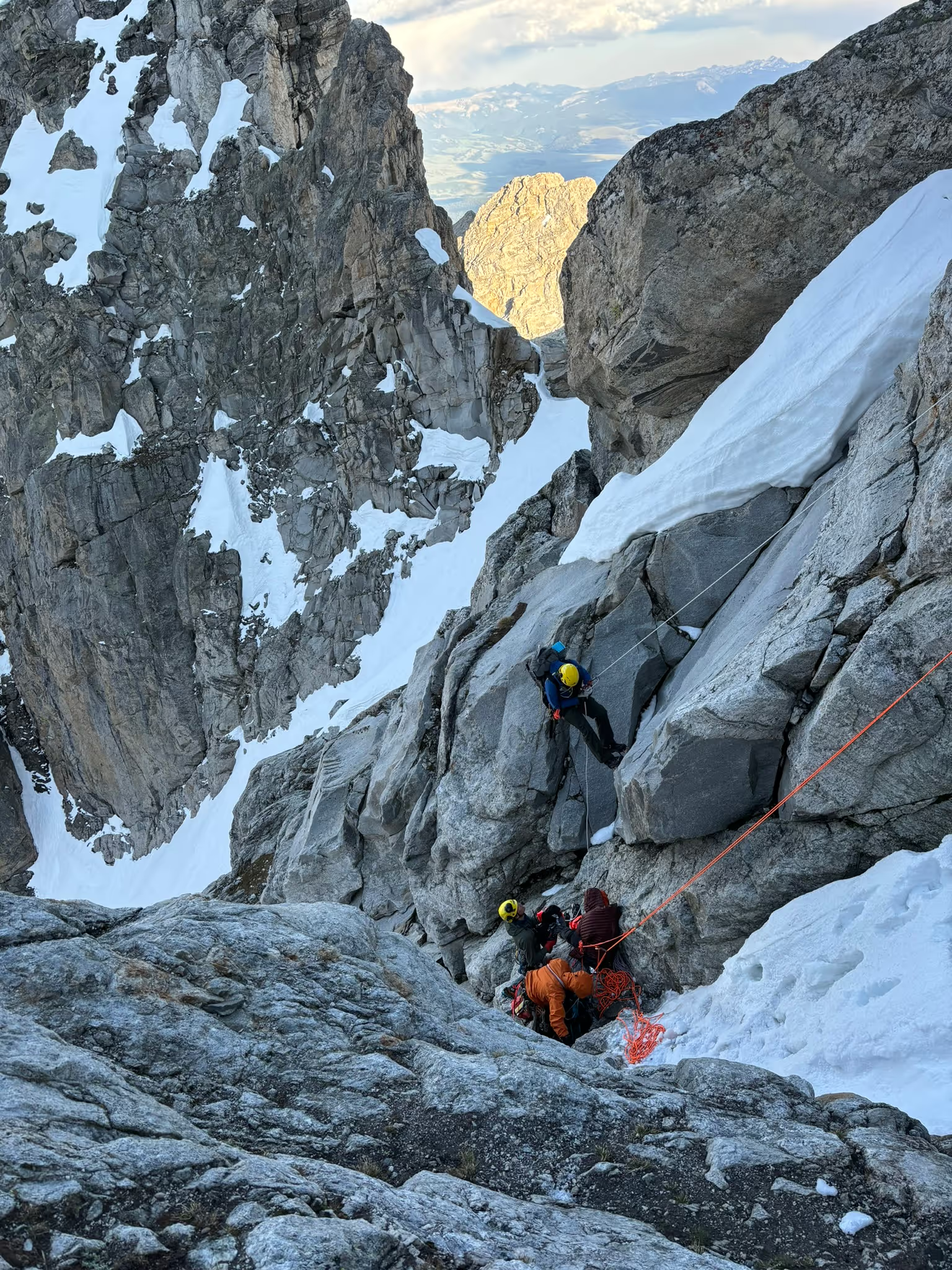
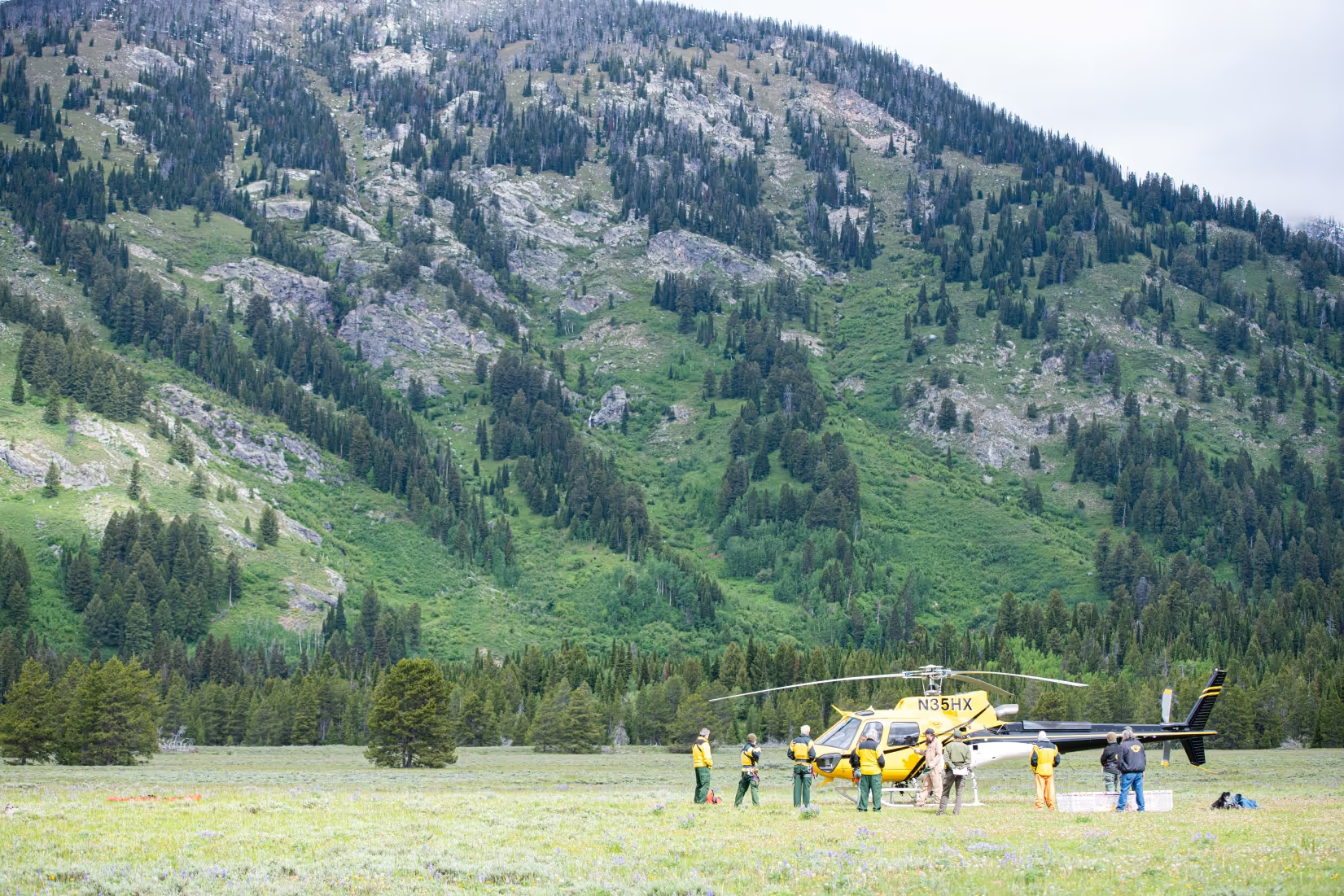
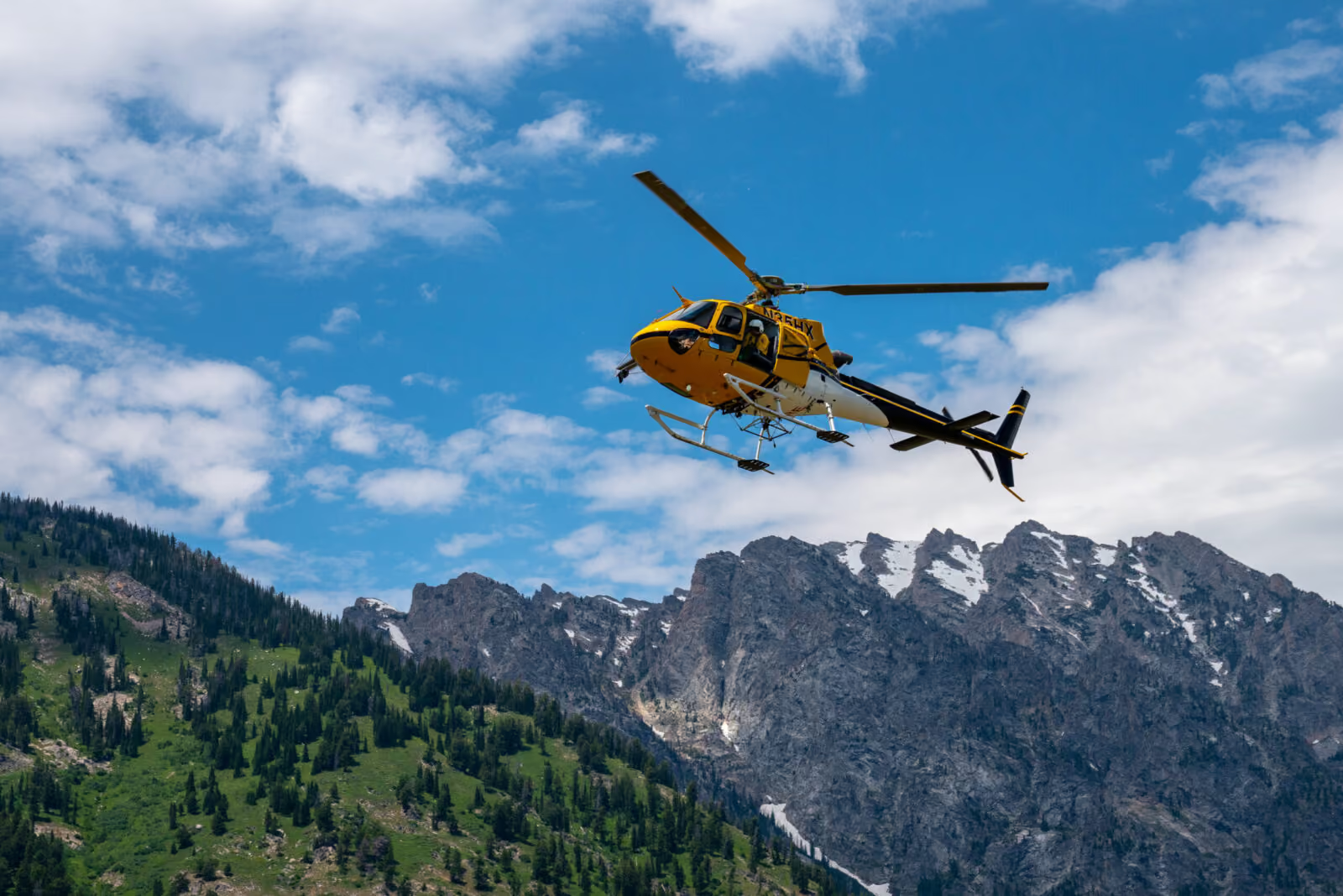
Search and Rescue: Grand Teton has one of the most diverse search and rescue programs in the National Park Service, responding to everything from sprained ankles to technical high-altitude rescues. Partnership with expert helicopter pilots allows the team to complete remote missions in hours instead of days, greatly impacting victim outcomes.
.webp)
avalanche
forecasting
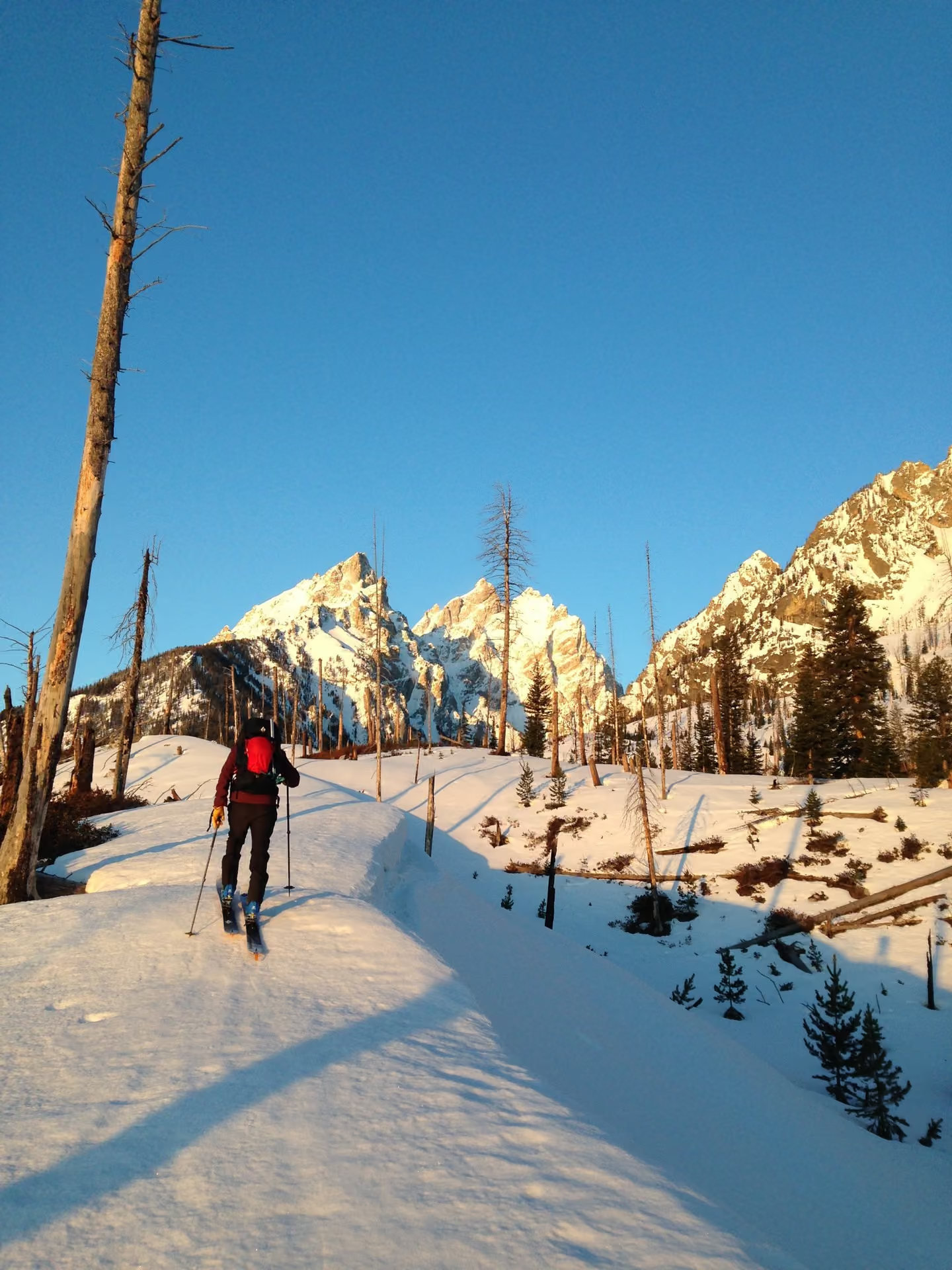
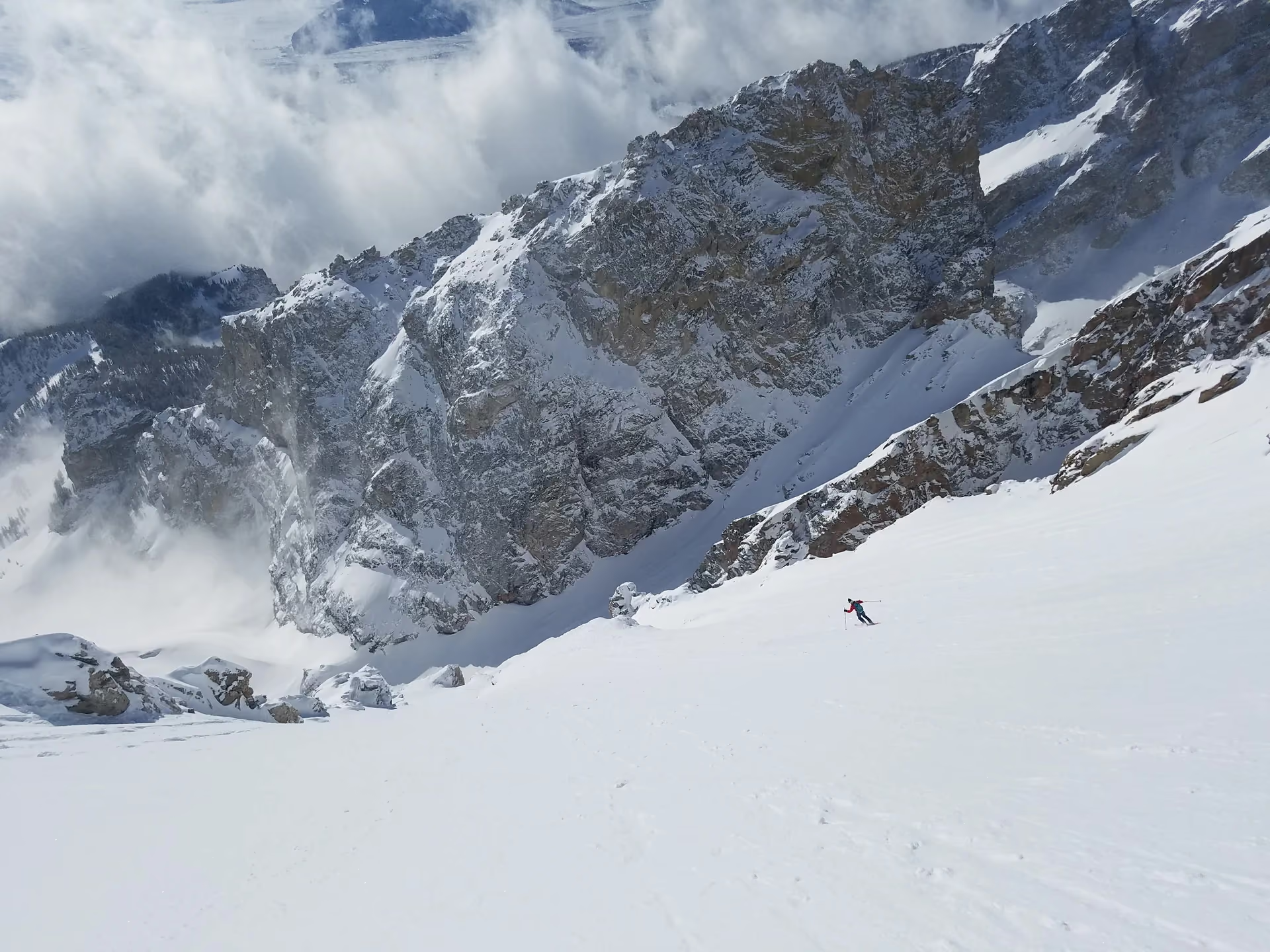
During the winter season, the Jenny Lake Rangers expand their team with a meteorological technician who works directly with the Bridger-Teton Avalanche Center. This role strengthens an ongoing partnership that supports snowpack assessments, maintains two monitoring stations within the park, and contributes park-specific data to the daily avalanche forecast.
These forecasts, powered by two weather stations the Foundation helped purchase in 2018, are relied upon by skiers and mountaineers, ensuring they have accurate, localized snow and weather information before entering Grand Teton’s backcountry.
FIRST RESPONDERS
In Grand Teton's remote backcountry, emergency medical response looks very different from a standard 911 call. Quality of on-site care often determines outcomes, and as visitation increases and emergencies grow more complex, the Foundation’s support strengthens ranger readiness beyond standard paramedic training through the following projects:
Skills-Based Anatomy Training: Specialized cadaver-based training is now considered the gold standard for first responder readiness, allowing rangers to practice advanced medical procedures in a controlled environment and apply those skills with confidence in remote settings where on-site care is critical.
Advanced Extrication Equipment: Modern, high-capability extrication tools equip rangers for rescues in remote, high-risk environments where access is limited and conditions are unpredictable. These resources reduce response time, enhance responder safety, and allow critical medical care to begin sooner.
Mental Health and Wellness: Proactive mental health support and peer resources help rangers navigate high-stress environments, promoting well-being and long-term retention among frontline staff.

Jenny Lake Ranger Stories:
Instagram Feed