.avif)

June Wildlife Whereabouts
Summer has arrived in Grand Teton National Park, bringing long days, warm temperatures, and abundant wildlife activity. As daytime temperatures rise, many animals become less active during the middle of the day. For the best opportunities to observe the park’s remarkable wildlife, plan your outings during the early morning or evening hours.
A Hot, Dry Start to Summer. June has been warmer and drier than average, influencing plant growth and seasonal timing. Wildflowers are blooming ahead of schedule but continue to provide important forage for many wildlife species.
Mosquitoes are now out in force, although their abundance varies across the landscape. While often unpopular with visitors, mosquitoes are an important food source for birds, bats, fish, and other wildlife.
Several grizzly bear family groups are currently active throughout the park, including females with cubs-of-the-year. At this time of year, grizzlies are feeding primarily on biscuitroot and elk calves. The grizzly bear mating season is coming to a close.
Black bear activity is increasing around front-country lakeshore areas as bears forage on seasonally abundant natural foods. Unfortunately, unnecessary bear spray deployments continue to occur. If you encounter a bear walking on a trail, remain calm. Bears often use trails because they provide the path of least resistance, just as they do for hikers. In most situations, bear spray is not necessary. Instead, make your presence known, slowly back away, and move off the trail to give the bear space to pass. Bear spray should only be used if a bear is charging and presents an immediate threat at close range.
Trumpeter swan eggs are hatching. Newly hatched cygnets are typically light gray in color and can swim within 24 hours. They will remain with their parents for approximately three and a half to four months before taking their first flight.
Ungulates—hoofed mammals—are finishing their birthing season. Most newborn ungulates can stand and move shortly after birth, but different species employ different strategies to protect their young. Some, like bison, use the “follower strategy”, where calves stay close to their mothers at all times. Others, like deer, elk, and pronghorn, use the “hider strategy”, where mothers conceal their newborns and return periodically to nurse them. These young have little scent, camouflage coloration, and remain motionless to avoid detection by predators. This hiding phase, used during the first few weeks, allows them to grow stronger before they begin moving alongside their mothers.
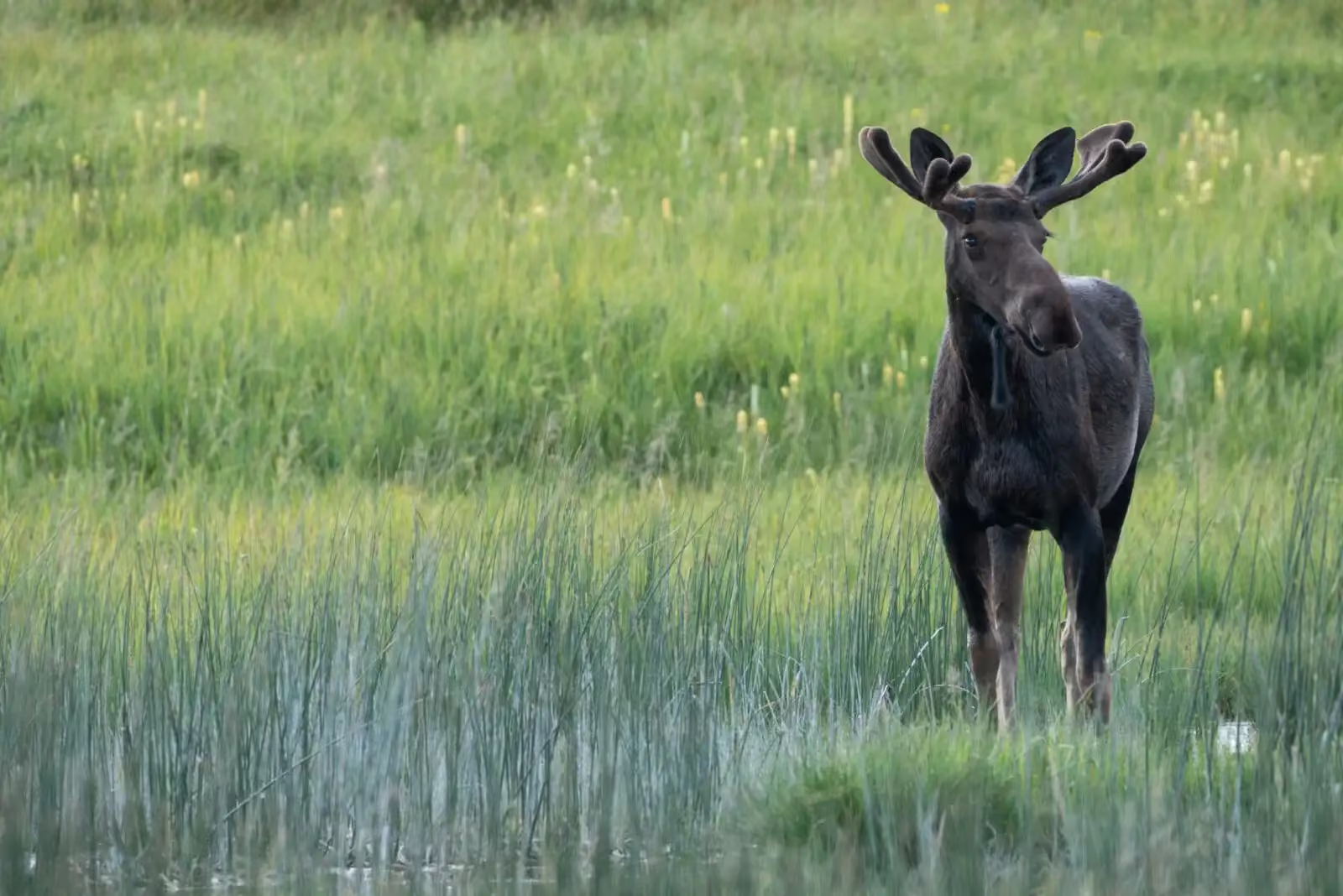
Moose cows with calves can be extremely protective. Please exercise caution and give moose a wide berth whenever encountered.
Marmots, one of the largest members of the squirrel family, are active and feed primarily in the morning and evening. They typically resting during the heat of the day.
Neotropical birds, including ruby-crowned kinglets, western tanagers, and hummingbirds, have returned to the park and are busy breeding and raising young.
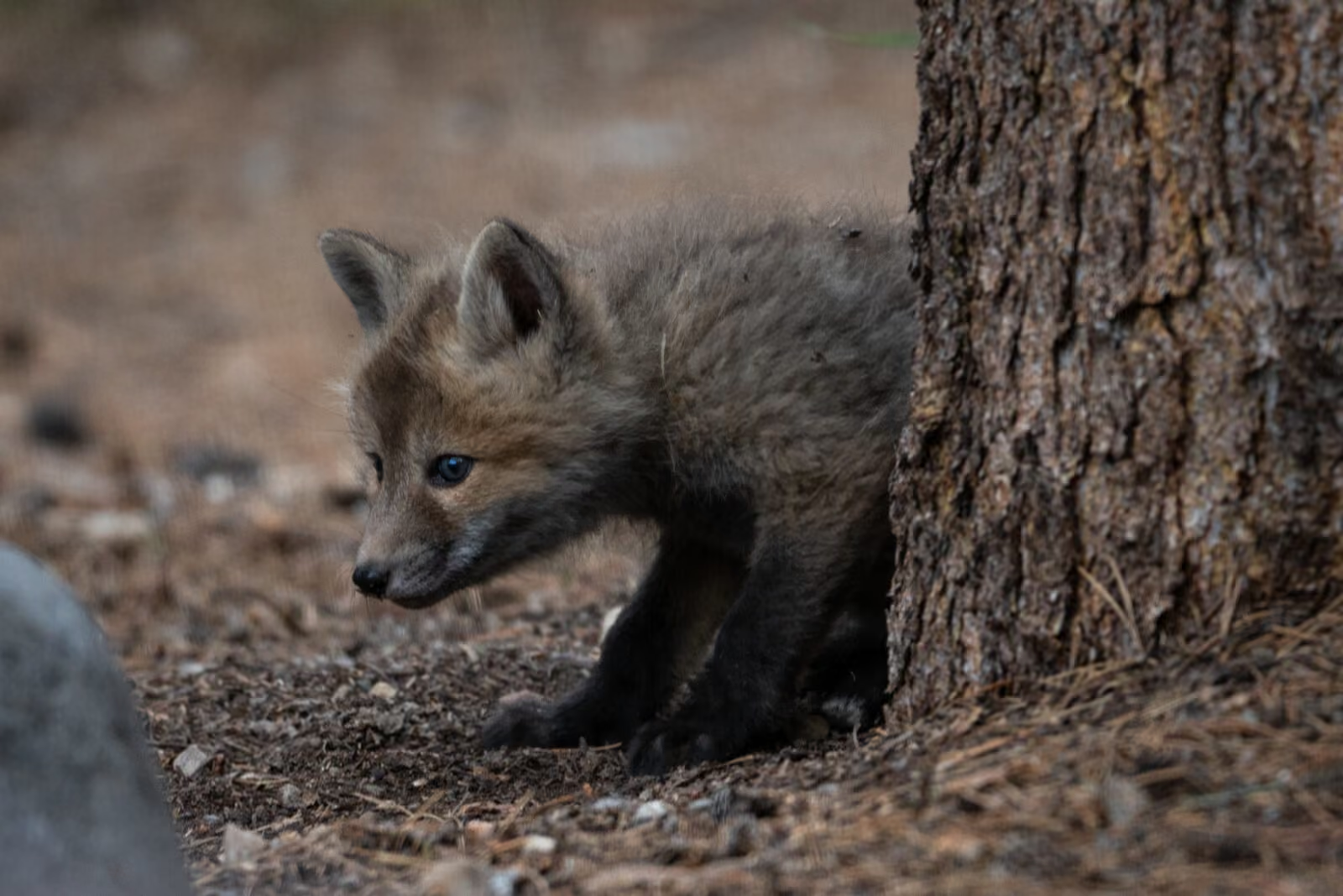
Young canids—wolf, coyote, and fox pups—have emerged from their dens. While they remain close to dens, rendezvous sites, and attentive adults, they are out exploring, playing, and learning about their surroundings while rapidly growing.
Respect Wildlife Closures
Wildlife staff may establish temporary closures in areas where animals are particularly sensitive to human disturbance, such as nesting, denning, or brood-rearing sites. Please respect all posted closures to help wildlife successfully raise their young.
If you encounter wildlife with young elsewhere in the park, give them additional space and avoid actions that may cause stress. Disturbance can force animals to defend or abandon their young, reducing their chances of survival. Your cooperation helps ensure that Grand Teton’s wildlife can thrive throughout the summer season.
EXPLORE MORE STORIES:
.jpg)