.avif)

Wildlife Research and Conservation
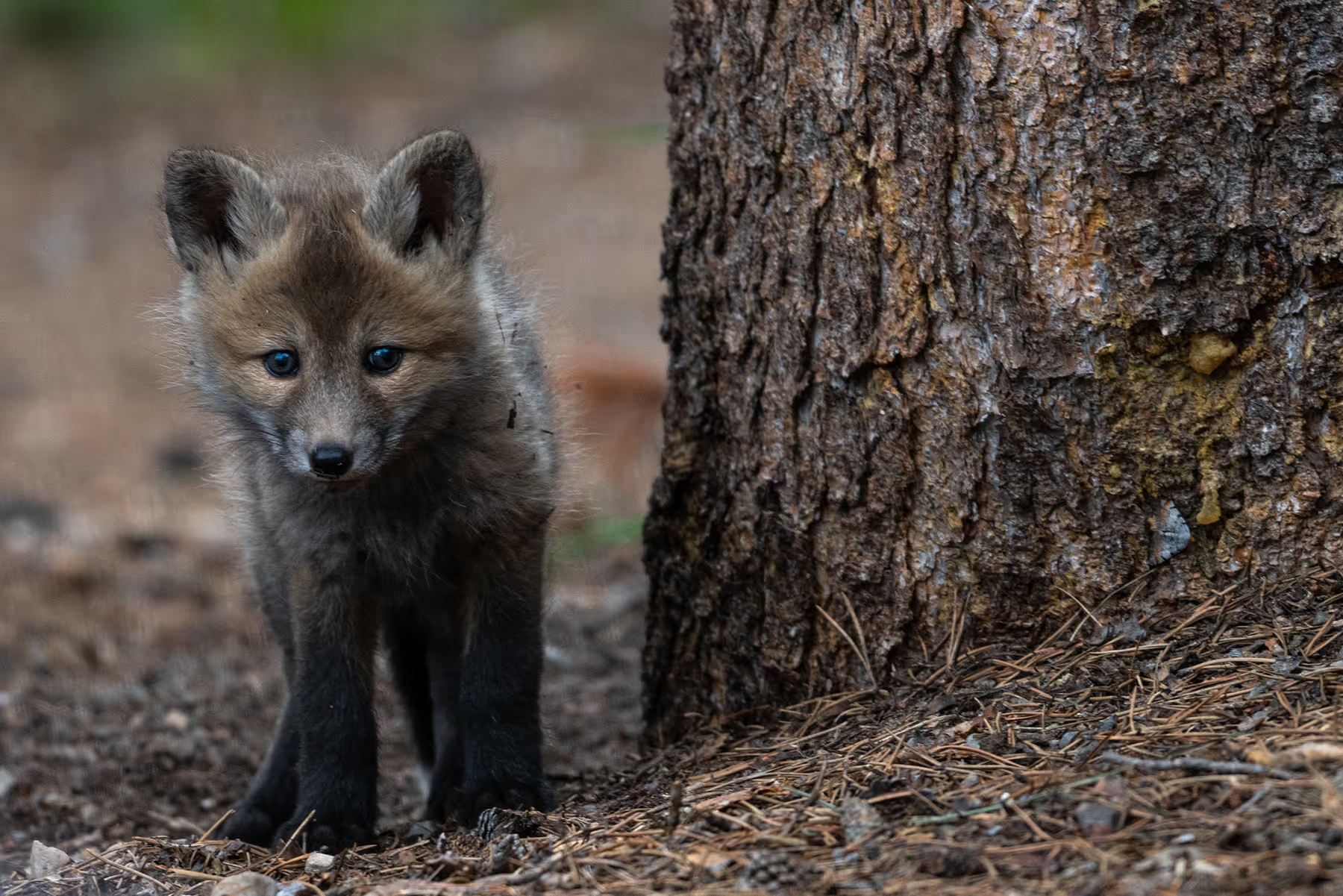
Each year, thousands of visitors come to Grand Teton National Park hoping to witness its extraordinary wildlife: from roaming herds to soaring raptors and native fish. While these species are naturally resilient, increasing environmental pressures and habitat fragmentation make stewardship and conservation efforts more important than ever.
The following wildlife conservation projects support science-based research, habitat protection, and proactive management to ensure that the species defining this ecosystem continue to thrive for generations to come.
Status and Ecology of Gray Wolves: Applying Science to Long Term Conservation
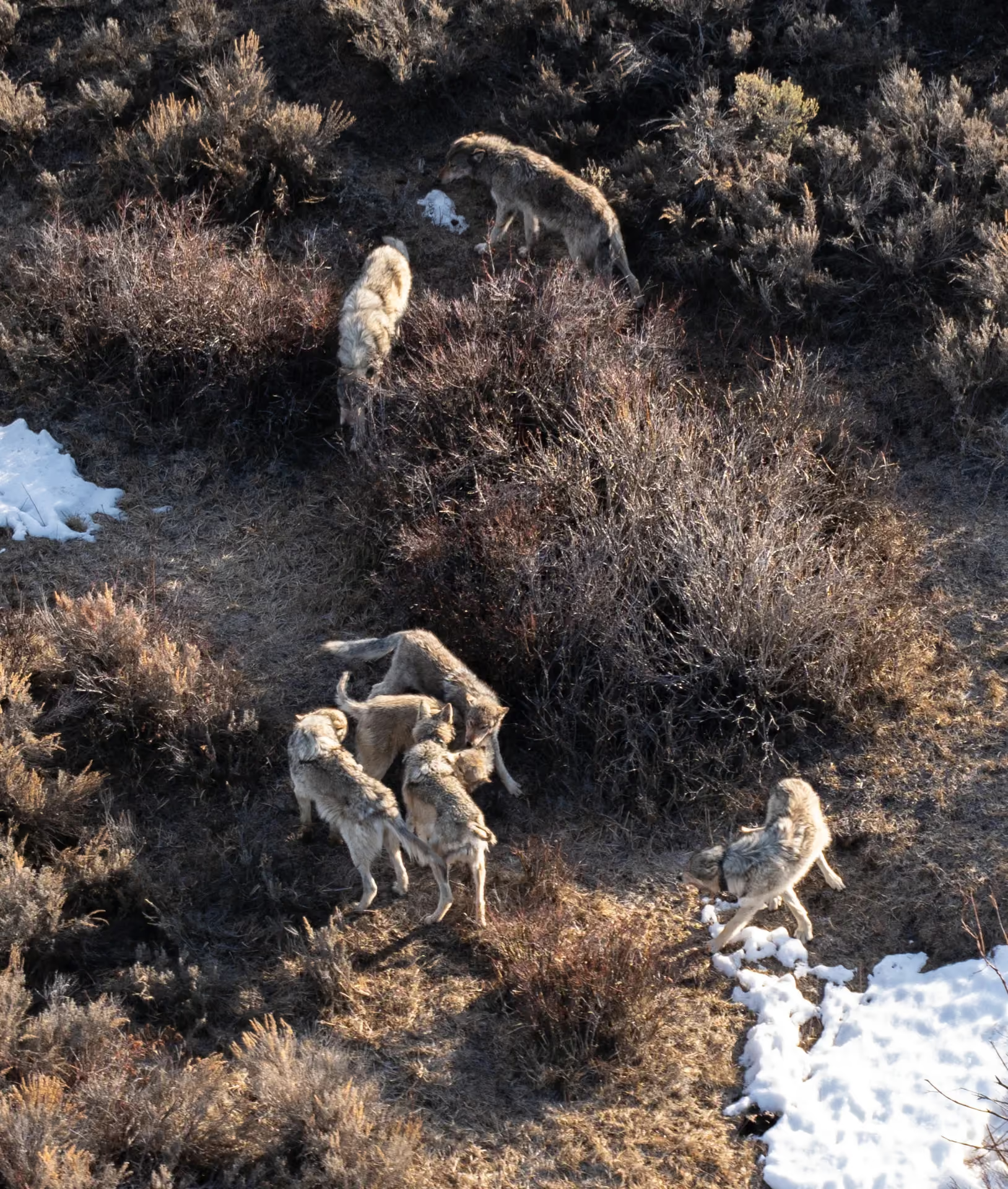
Reintroduced to Yellowstone National Park in 1995 and 1996, gray wolves soon dispersed into Grand Teton, where they have been breeding since 1998. Today, park wolves are part of a broader network of roughly five packs, on average, that occupy the upper Snake River drainage north of Jackson.
Support from Grand Teton National Park Foundation funds long-term monitoring of key demographic indicators and conservation actions. This work enables biologists to assess population health and better understand how human activity influences wolf movements, distribution, and denning areas within the park.

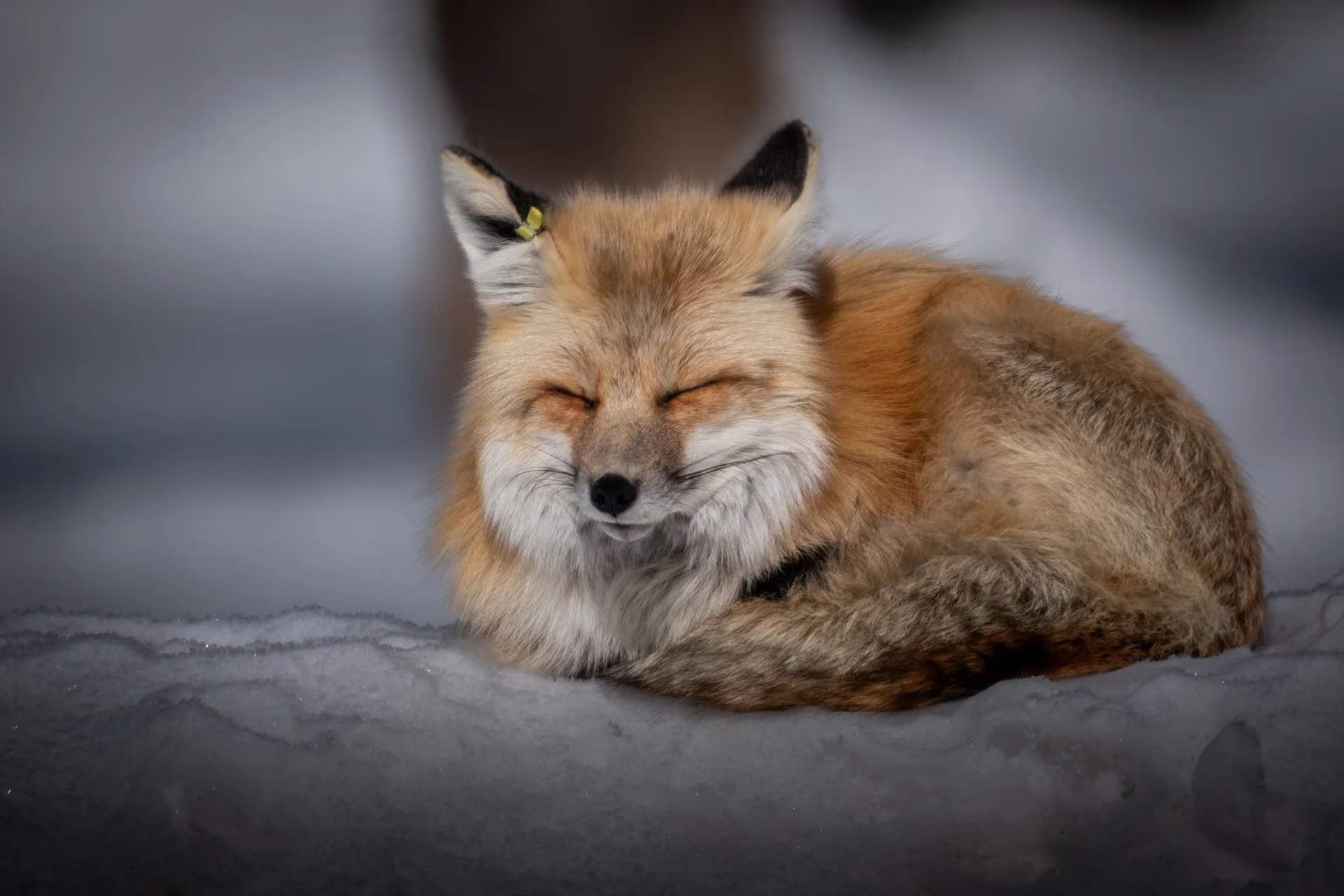
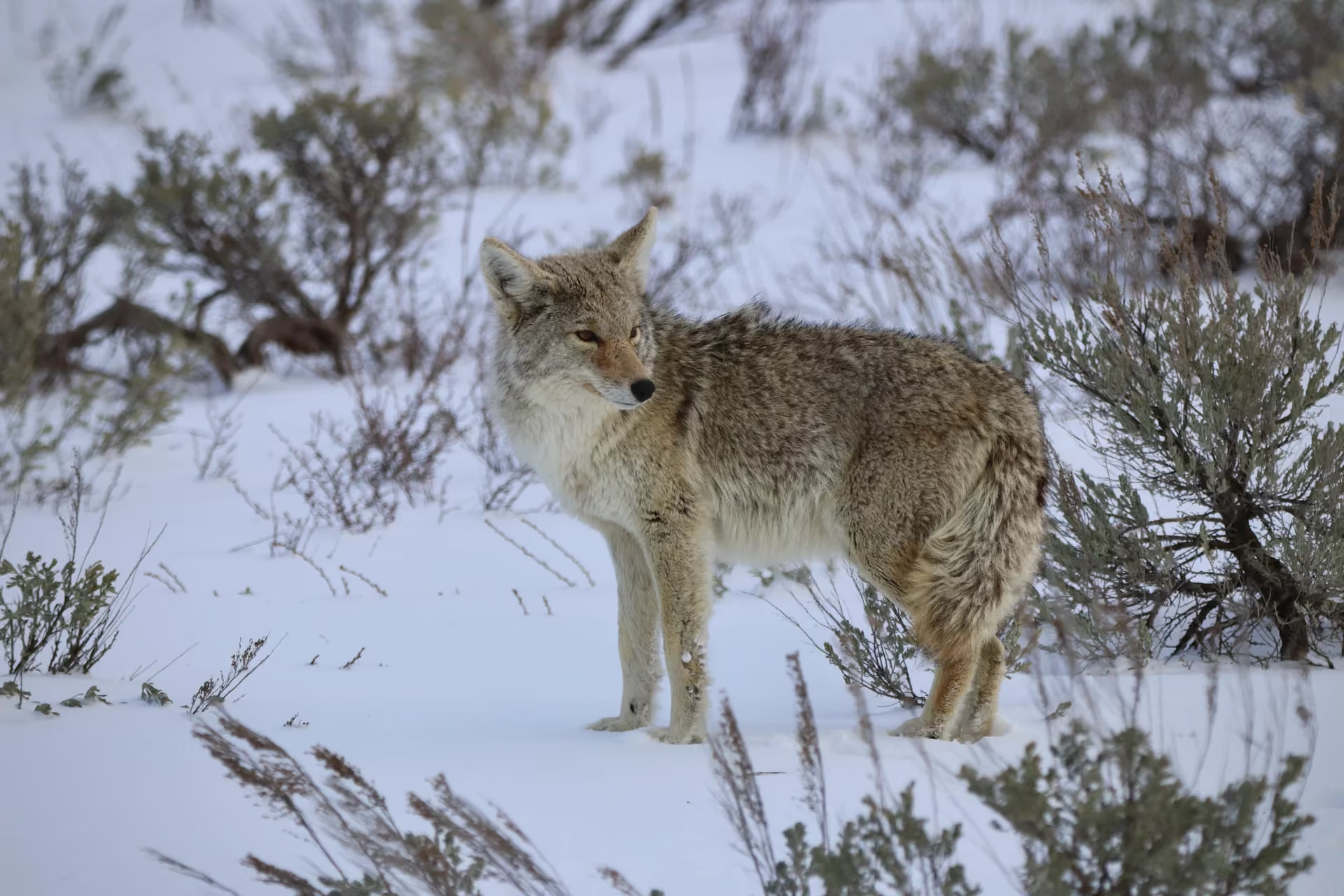
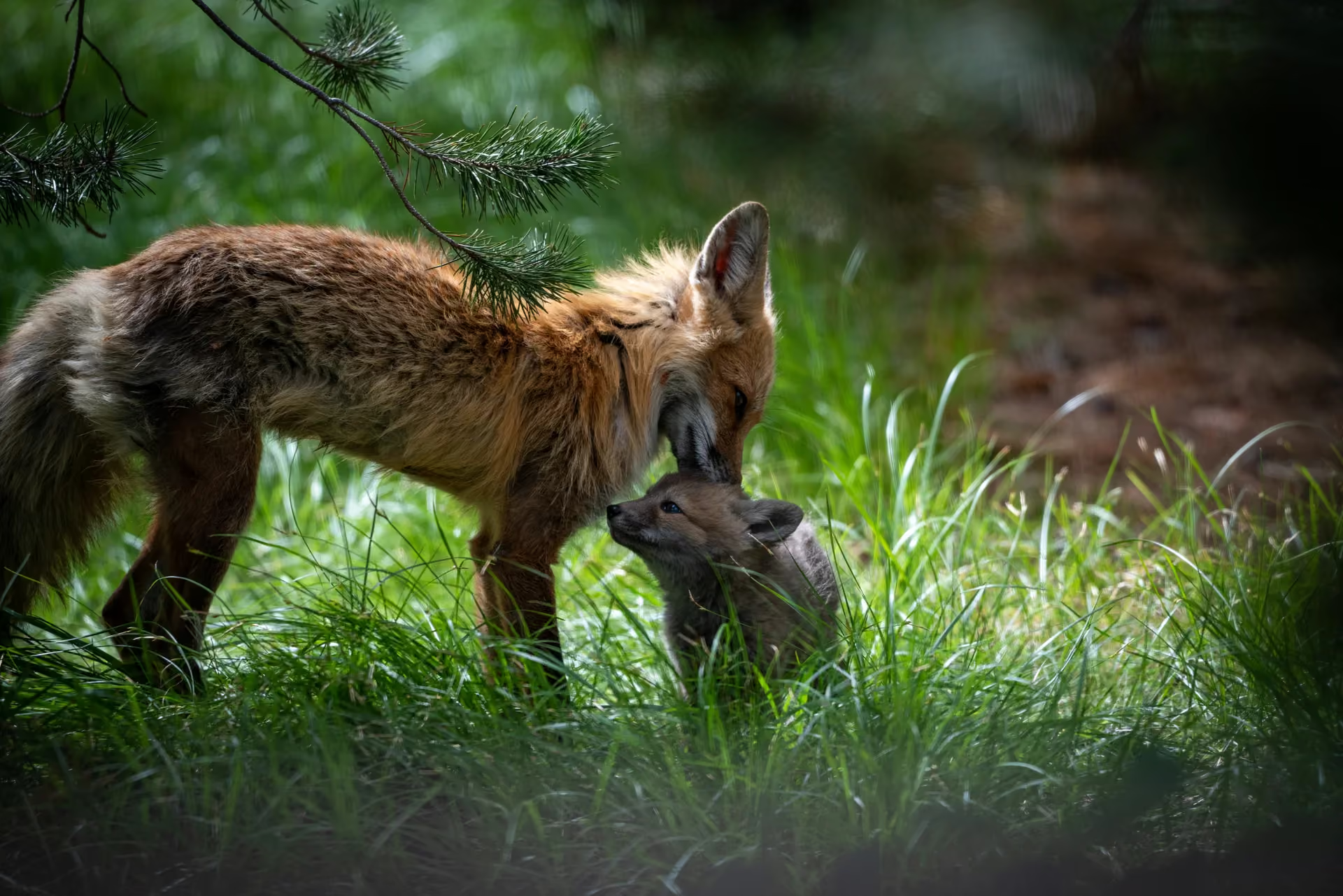
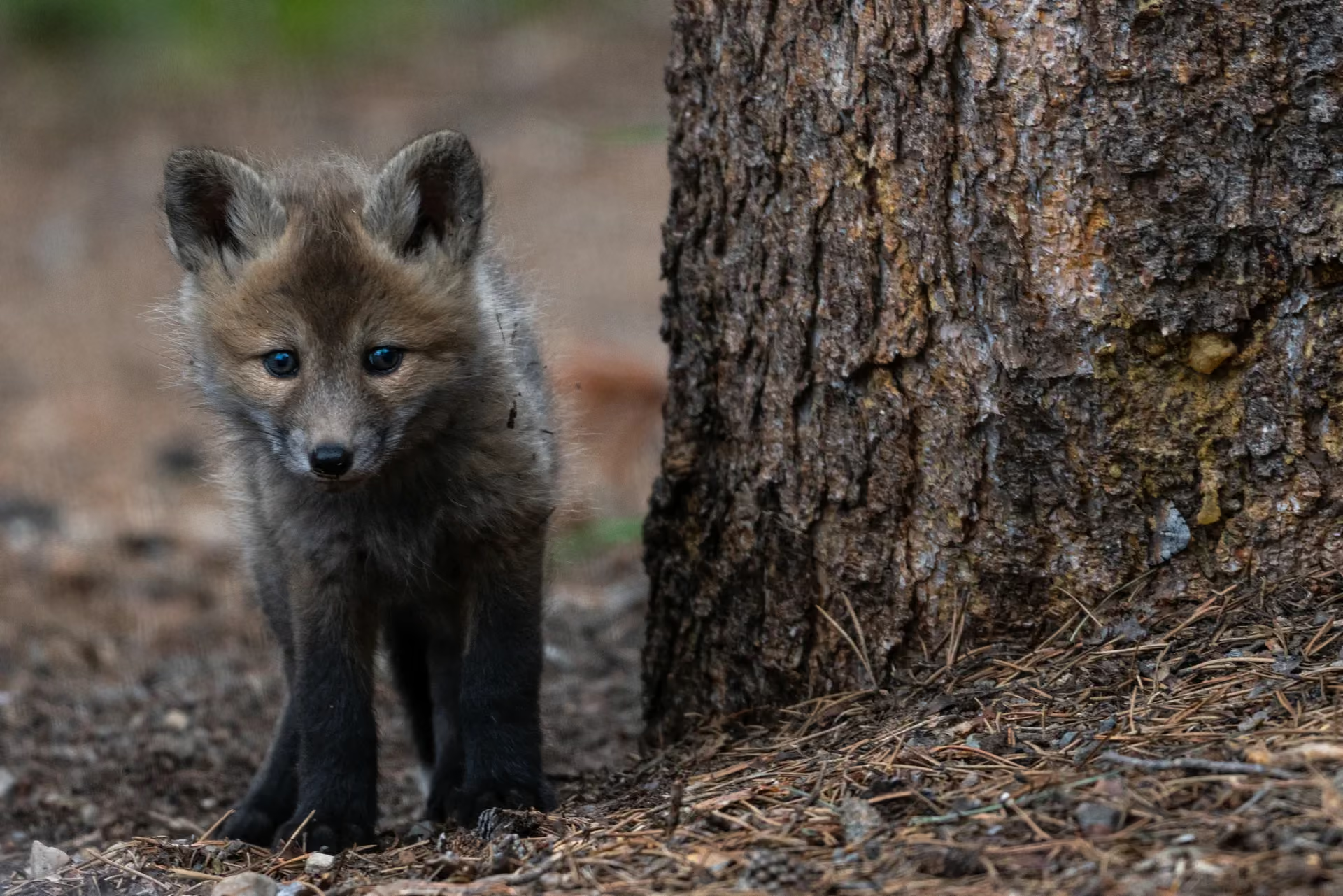
Nearly two decades of monitoring have given Grand Teton National Park an in-depth understanding of wolf population dynamics and health. That long-term dataset now informs research exploring the relationships between gray wolves and other native canids, including coyotes and foxes—providing deeper insight into the complex role predators play in maintaining ecosystem balance.

Bighorn Sheep Population Monitoring
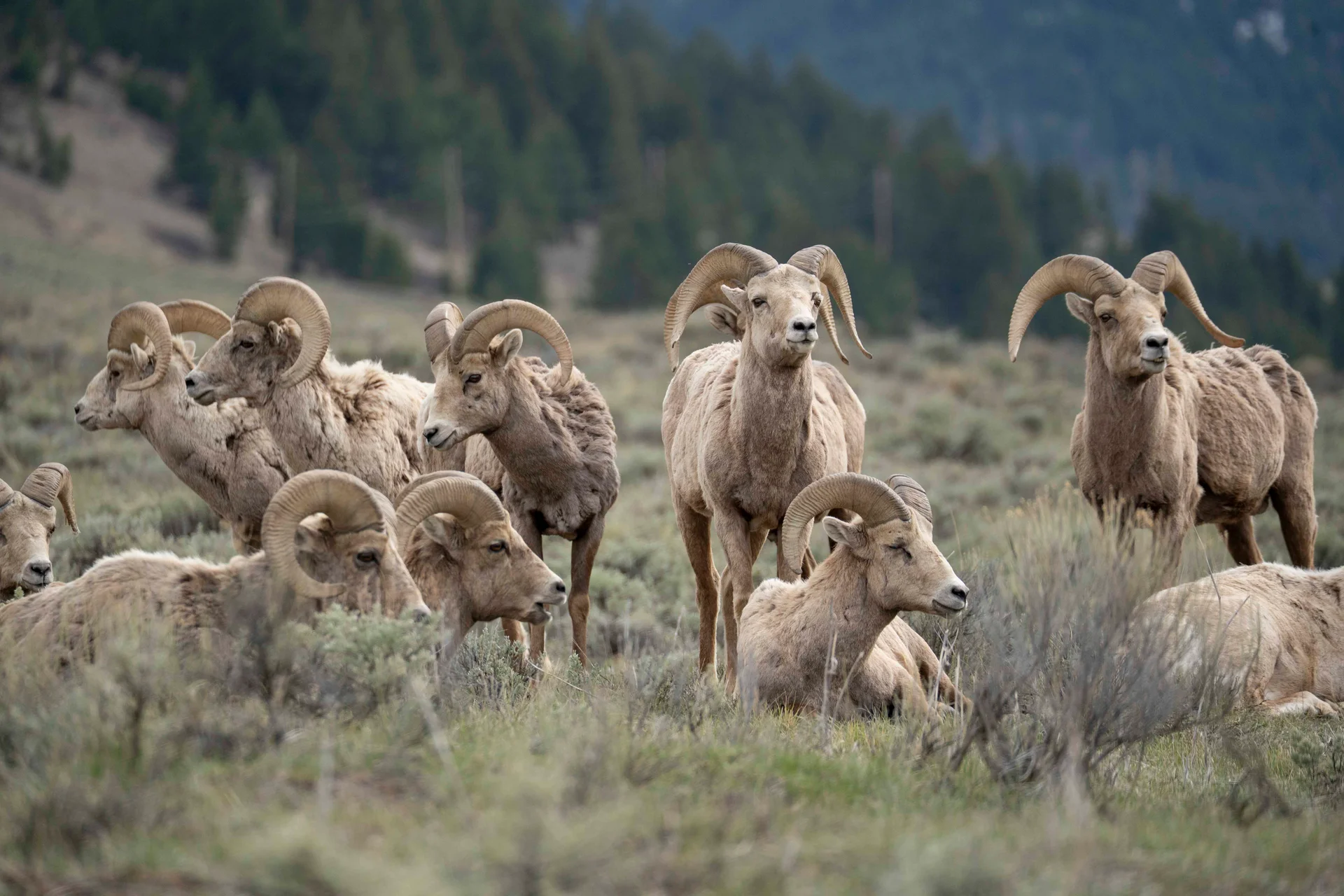
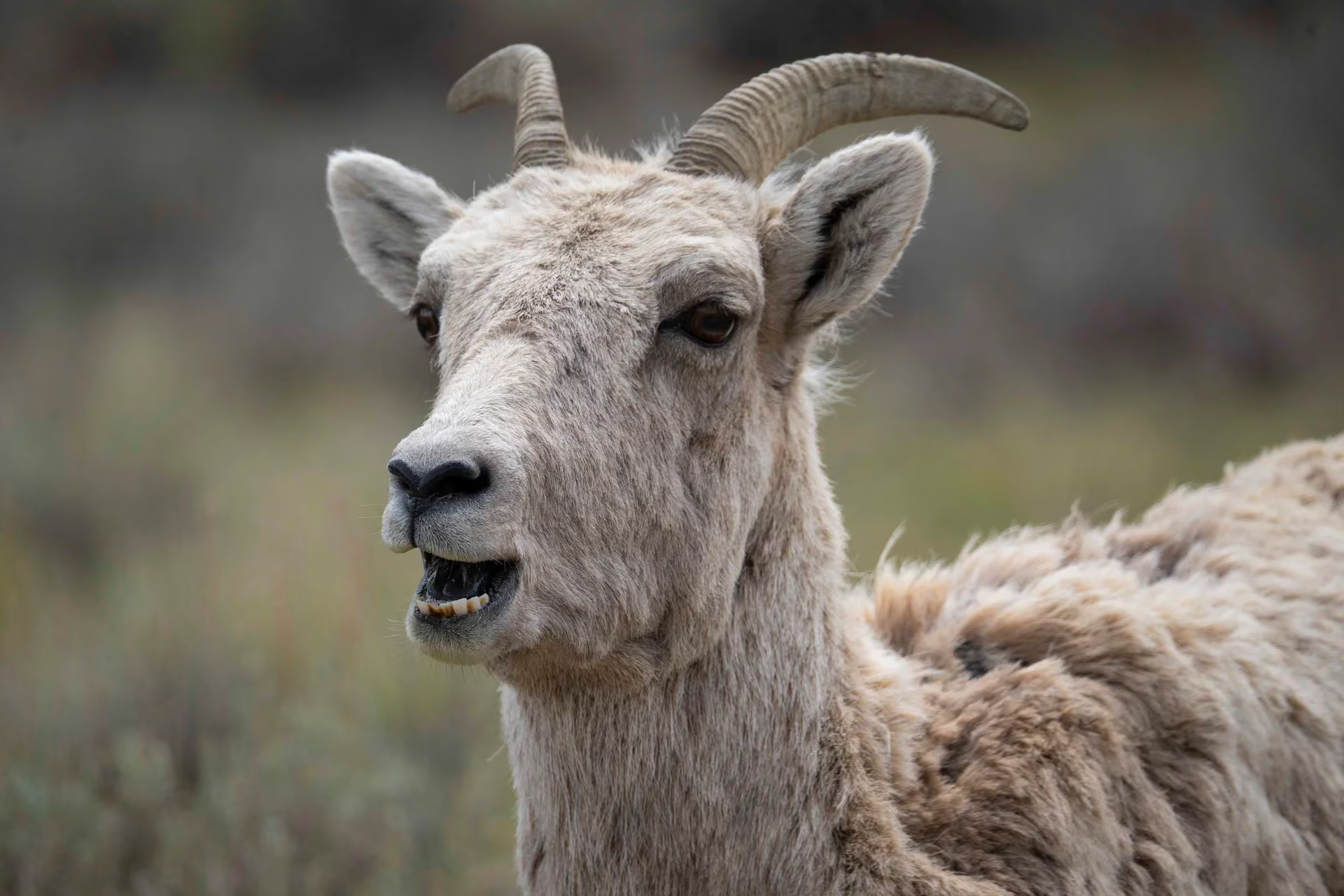
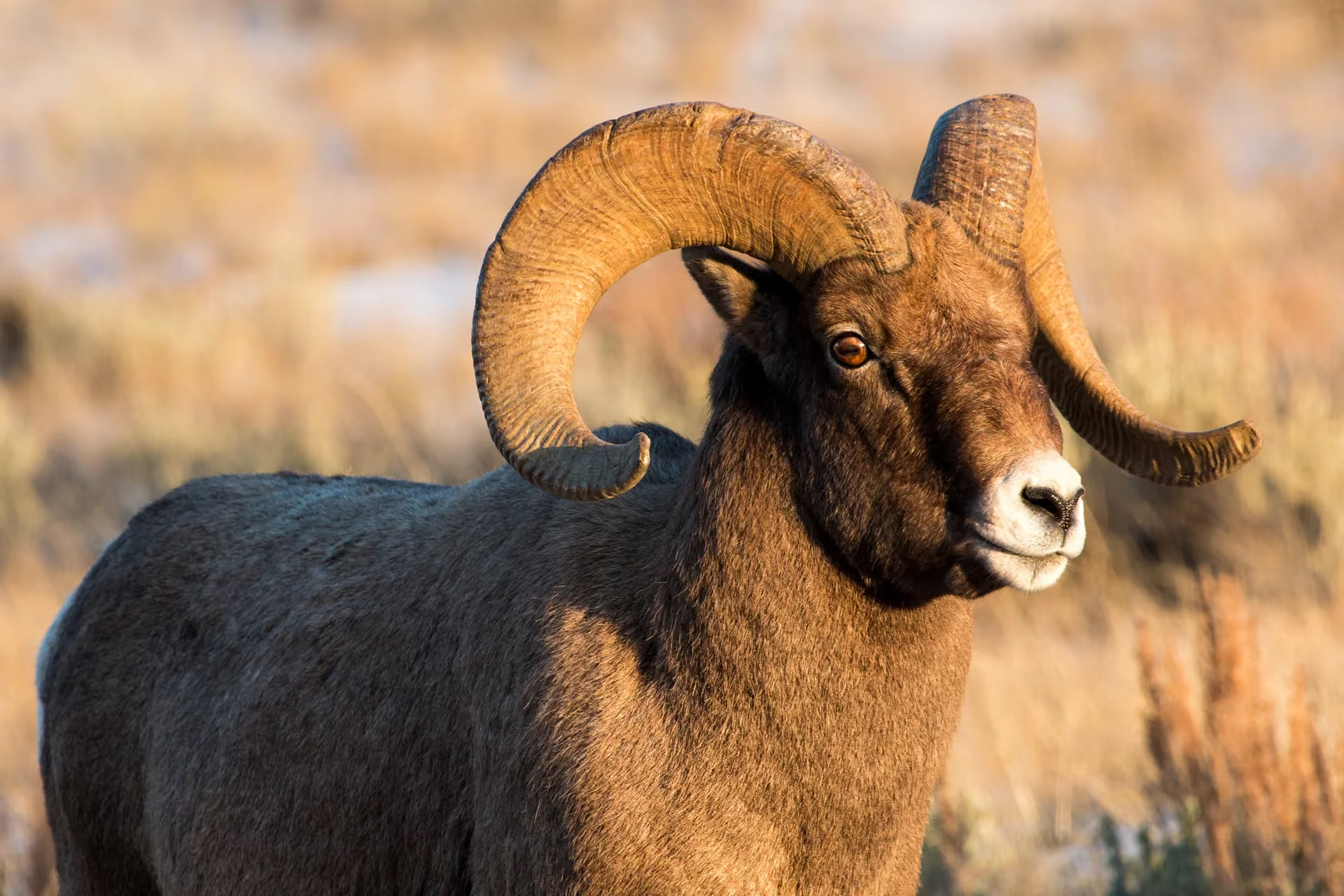
Bighorn sheep in the Teton Range persist as a small, high-elevation population that depends on limited summer forage to survive long winters and successfully reproduce. Understanding how much high-quality habitat the landscape can support, its carrying capacity, is essential to guiding conservation and recovery efforts.
This project uses advanced field research and modeling to assess forage availability, nutrition, habitat use, and body condition, providing a science-based estimate of how many sheep the current landscape can sustain. The results will inform long-term management strategies to help ensure the future of bighorn sheep in Grand Teton National Park.
Wildlife Brigade
GTNPF support helped start the Wildlife Brigade over a decade ago.
The Wildlife Brigade is a team of experienced volunteers who promote ethical wildlife viewing practices, assist with people and traffic management during roadside wildlife jams, patrol developed areas to look for unsecured food and other bear attractants, and educate visitors about bear safety, proper food storage, and other resource-sensitive activities. This program supports two to three seasonal staff, up to twenty-five volunteers, public service announcements on bear safety, and the development of science-based communication materials to promote safer and ethical wildlife viewing. Its development and integration into park operations since 2007 has been critical to grizzly and black bear stewardship as both bear and visitor numbers have increased.

.webp)
Bear Conservation
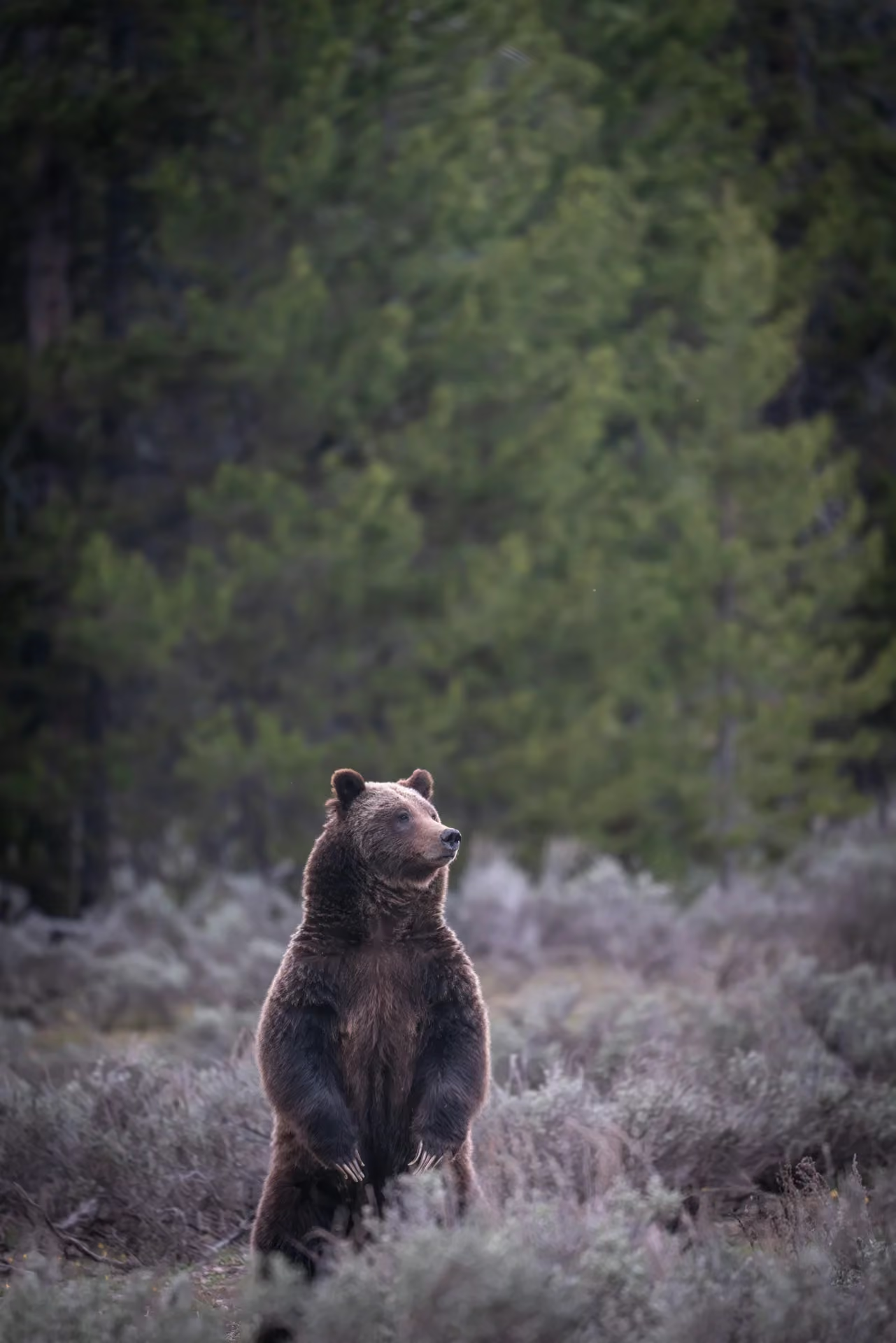
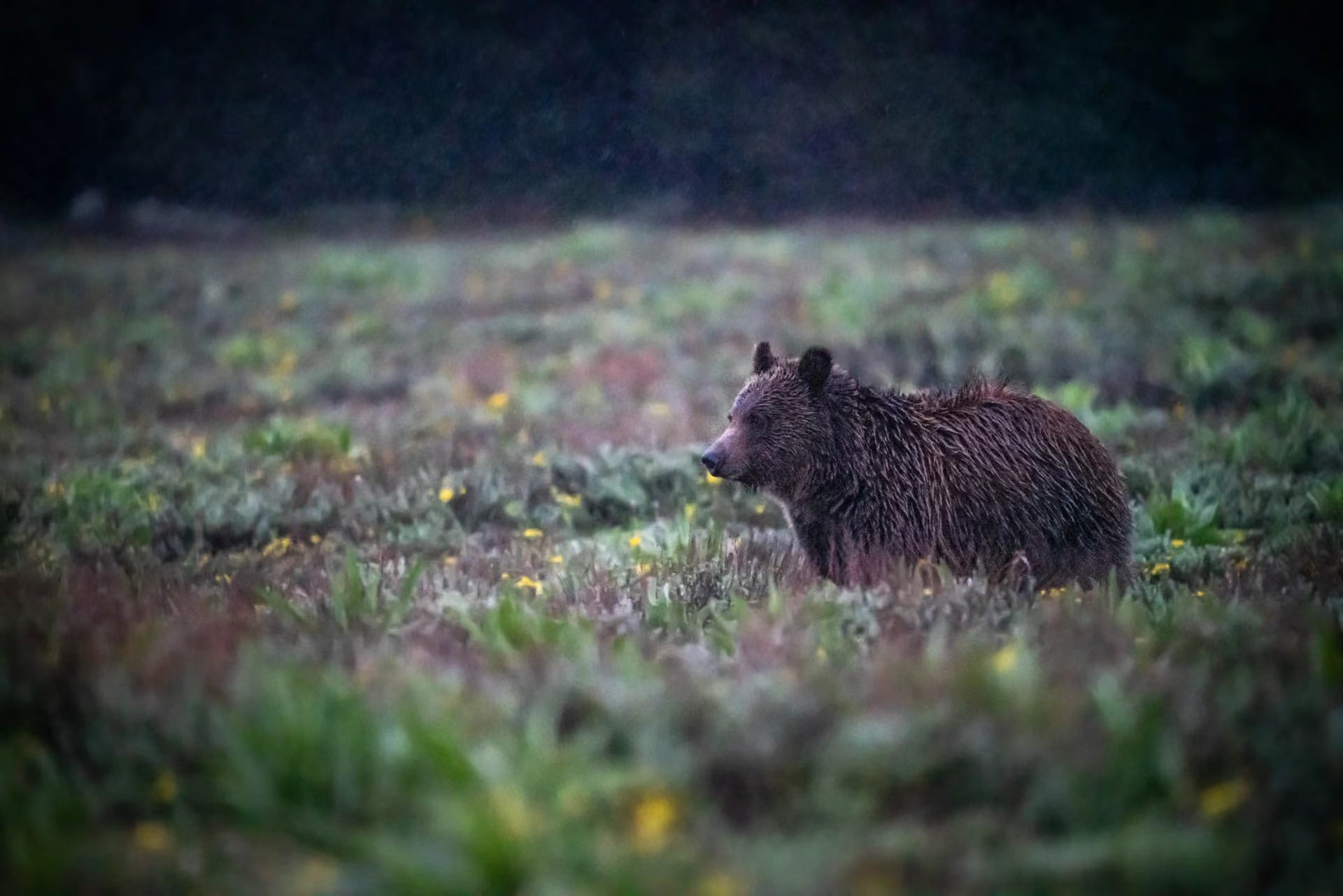
Among the most beloved of Grand Teton’s wildlife are black and grizzly bears. Increased visitation and backcountry traffic in the park has led to increased human-bear interactions that threaten to disrupt the safety and longevity of these apex predators. The Foundation partners with Grand Teton National Park to implement a number of bear research and conservation efforts, ensuring bears have healthy habitats to continue to thrive.
Bear-Resistant Food Storage Boxes
Grand Teton National Park Foundation partners with the park to install bear-resistant food storage boxes in front-country campsites and picnic areas, reducing the risk of grizzly and black bears accessing human food. Food-conditioned bears threaten visitor safety and may be relocated or removed. Since 2008, the Foundation has funded more than 600 bear boxes, helping keep bears wild and people safe — with the goal of equipping every front-country campground and picnic area with secure storage.

Queen of the Tetons

.avif)
_compressed.avif)
.avif)