.avif)


Migration and Habitat Connectivity
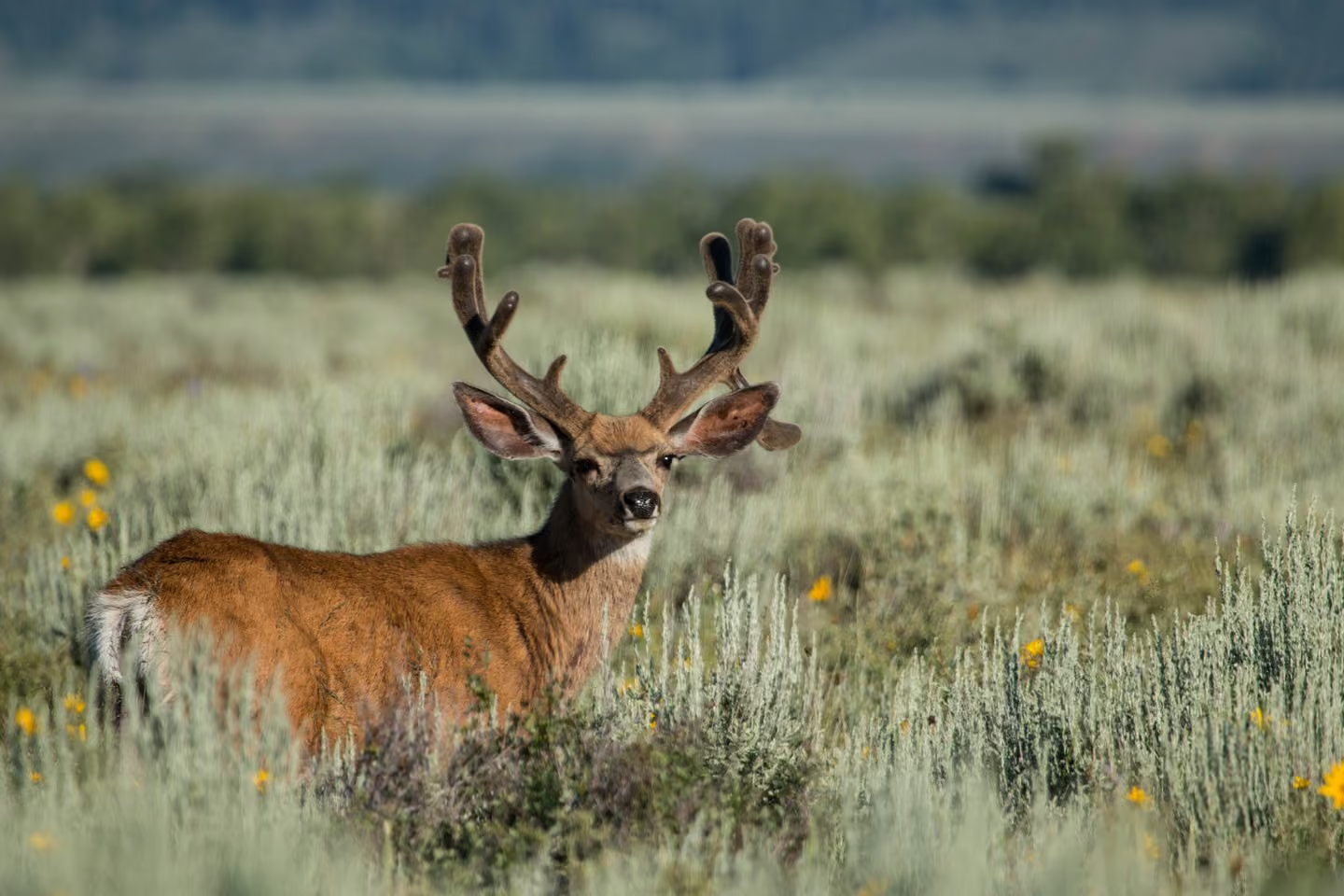
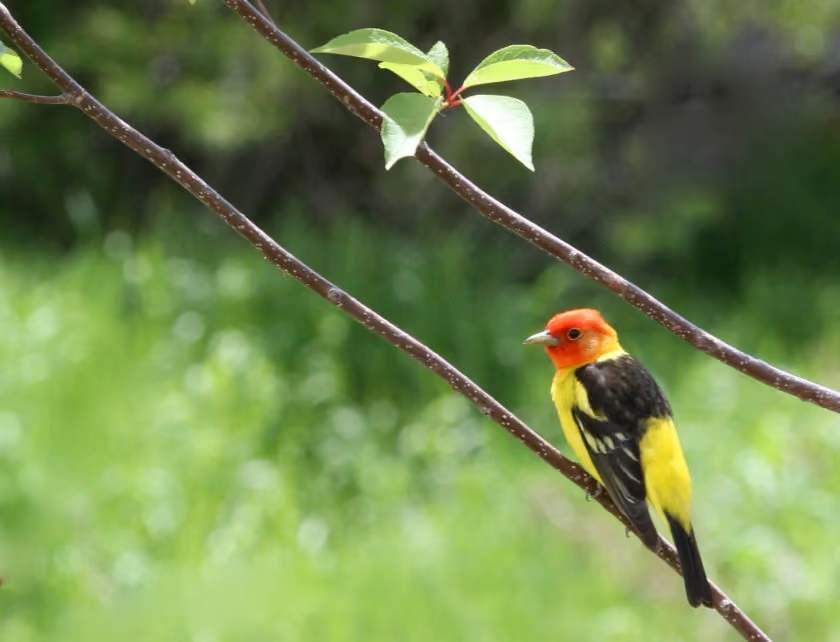
A wide range of wildlife species depend on protected migration corridors within and beyond Grand Teton National Park. From large ungulates to birds and native fish, seasonal movement is essential for accessing food, breeding habitat, and winter range. The conservation of connected landscapes allows these species to move safely across the ecosystem, adapt to changing environmental conditions, and sustain healthy populations for generations to come.
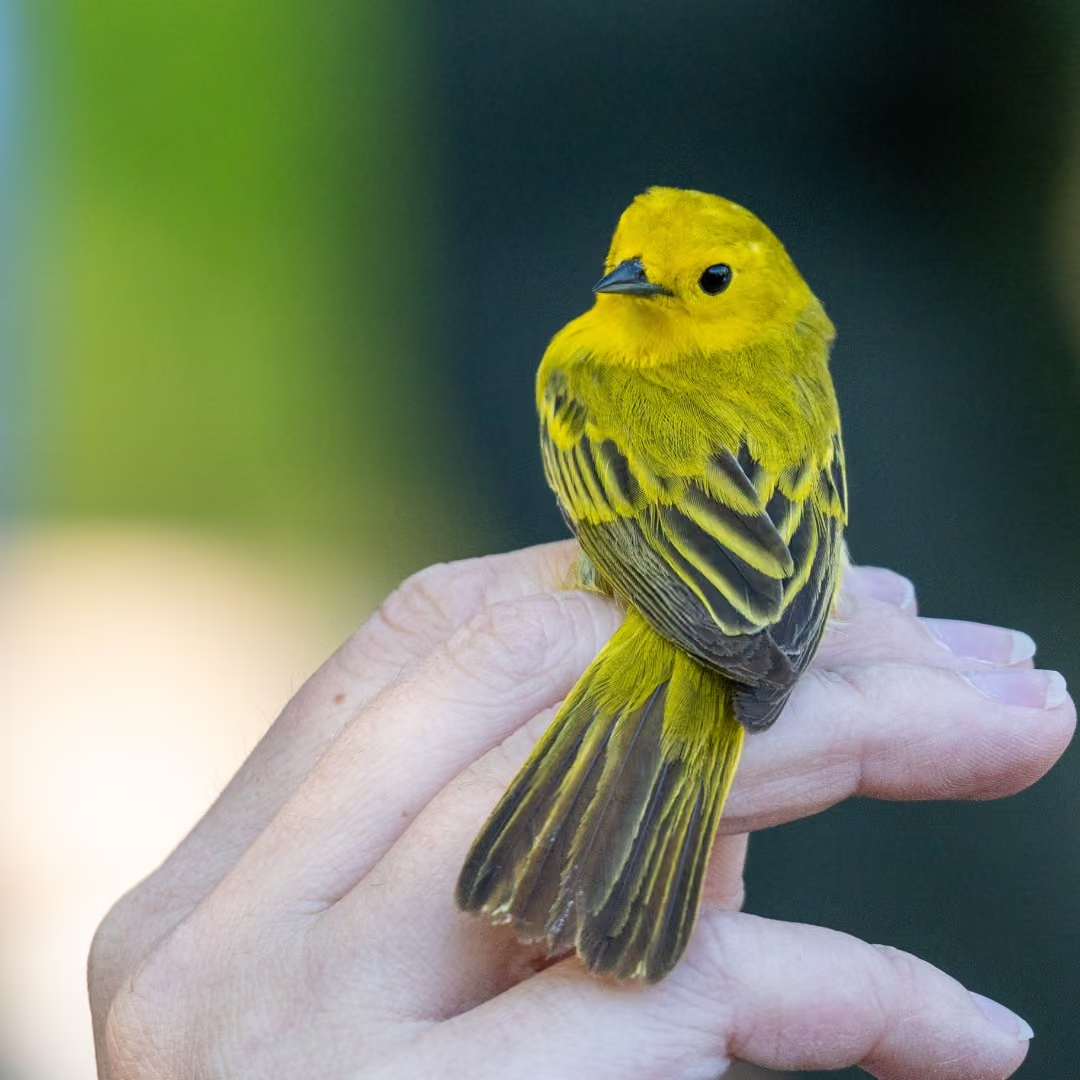
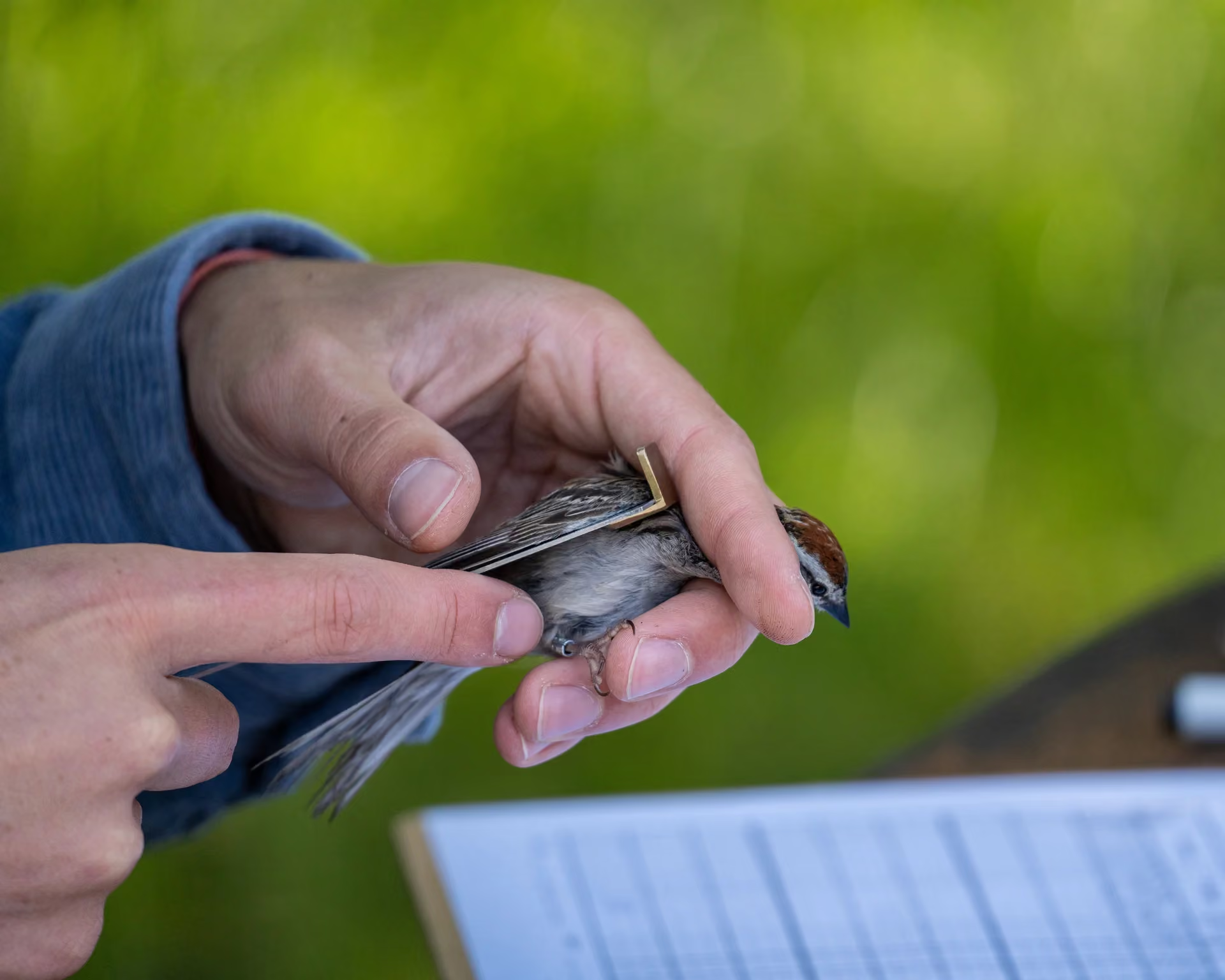
Songbird Monitoring
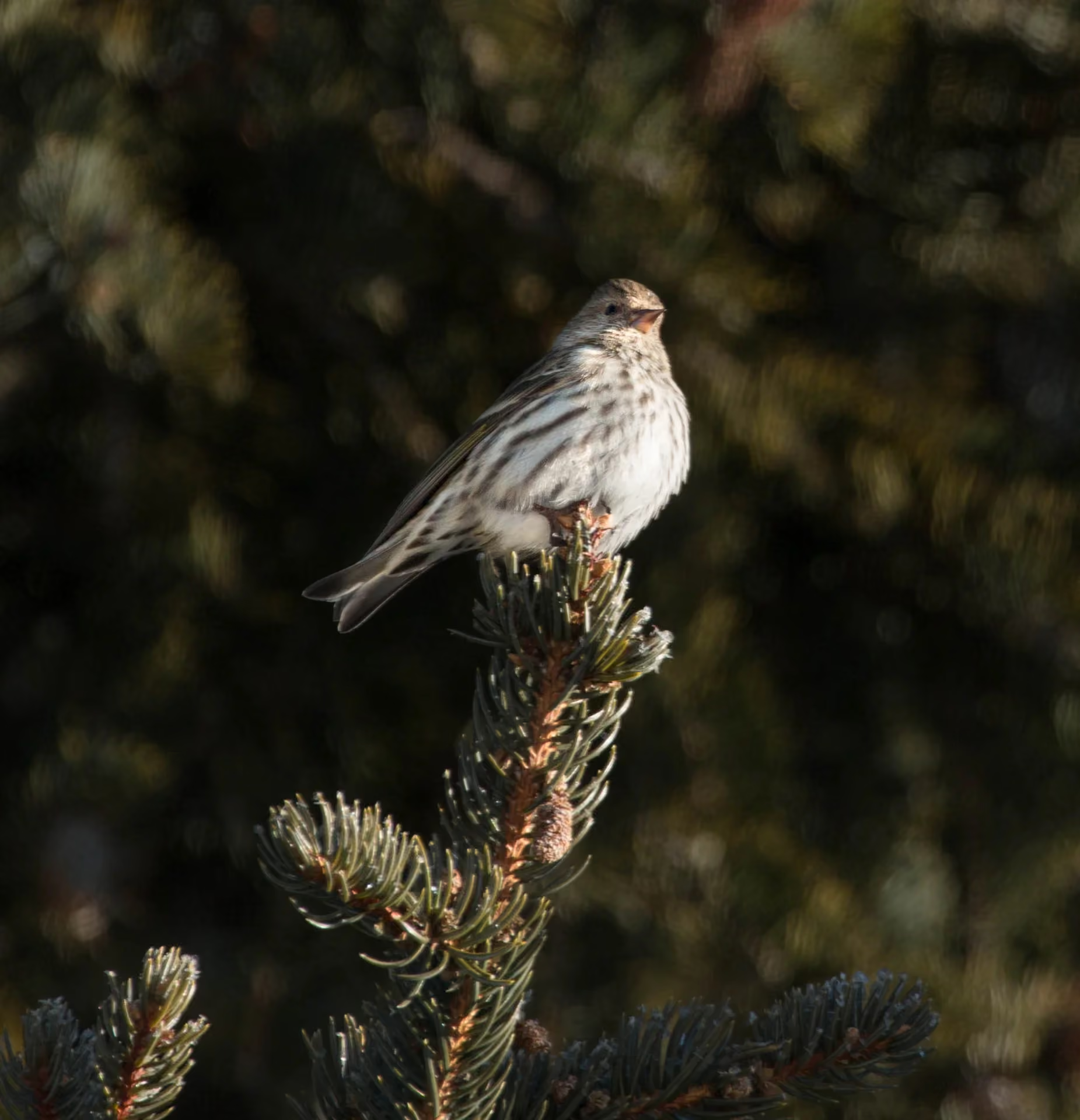
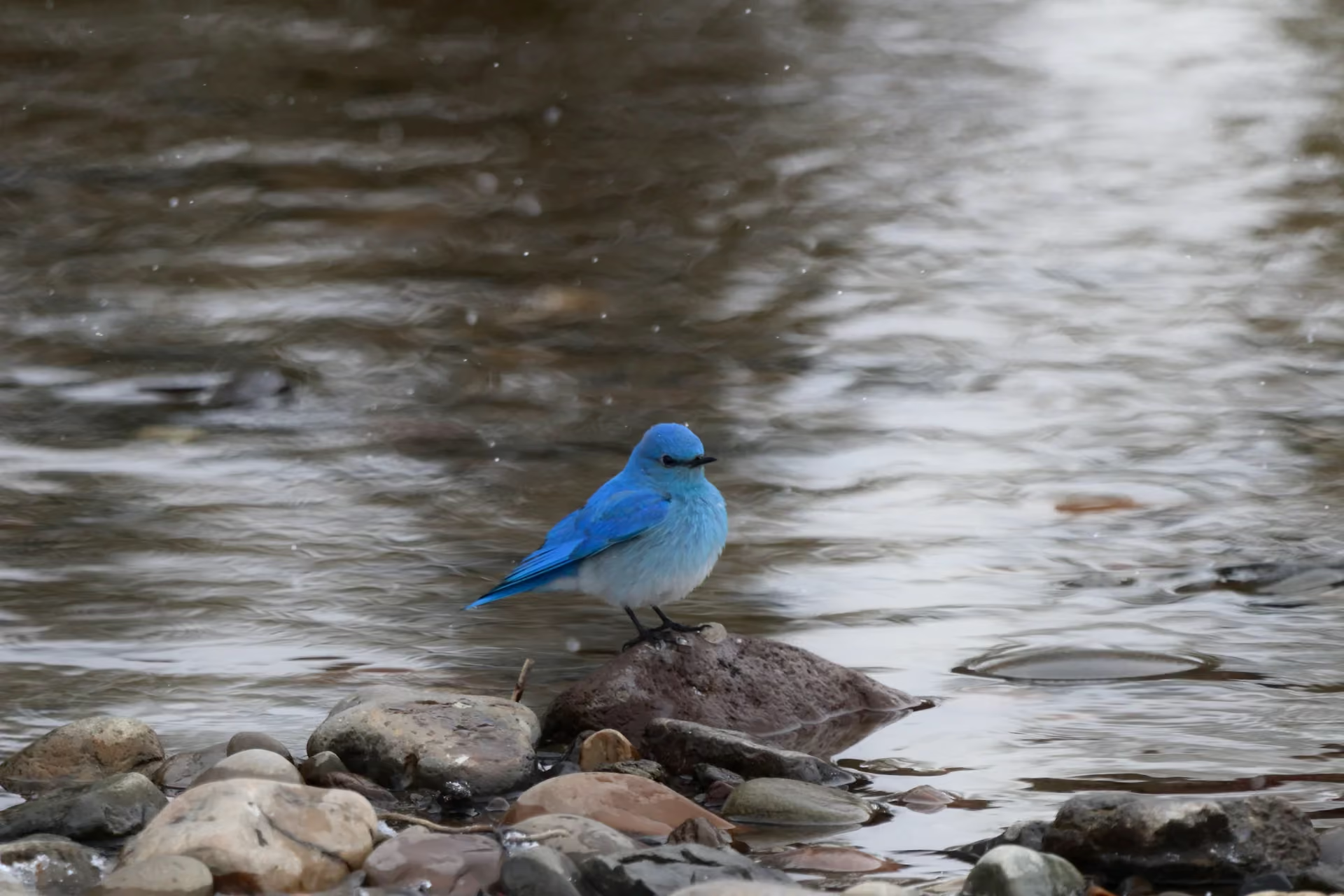
Songbirds are key indicators of ecosystem health, and long-term monitoring helps scientists understand how their populations are responding to environmental change. Through participation in the continent-wide MAPS program, researchers in Grand Teton collect data on bird productivity and survival to identify trends and inform conservation decisions. Sustained monitoring reduces guesswork and provides Grand Teton with the science needed to protect migratory birds and the habitats they depend on.

Science in the Sky:
34+
300+
Mule Deer Migration Research
Grand Teton National Park Foundation’s support of mule deer migration research throughout the last decade has resulted in the discovery, and subsequent protection of eight previously undiscovered migration paths. Since then, park biologists have developed partnerships with other federal and state agencies as well as private conservation organizations to actively facilitate large-scale habitat conservation where potential migration barriers and threats on seasonal ranges may exist.
Watch Wyoming Migration Initiative's film, Animal Trails: Rediscovering Grand Teton Migrations:
.avif)


.avif)
Instagram Feed