.avif)


Climate Resiliency
Changing visitation, land use and development patterns, environmental shifts, and invasive species all threaten to disrupt the sensitive ecological relationships that characterize Grand Teton today. Activities supported by this initiative will supplement the park’s finite operating resources and make significant strides toward ensuring the long-term ecological integrity of Grand Teton National Park, as well as its ability to adapt as needs evolve.
Monitoring Whitebark Pine Health, Persistence, and Reproduction
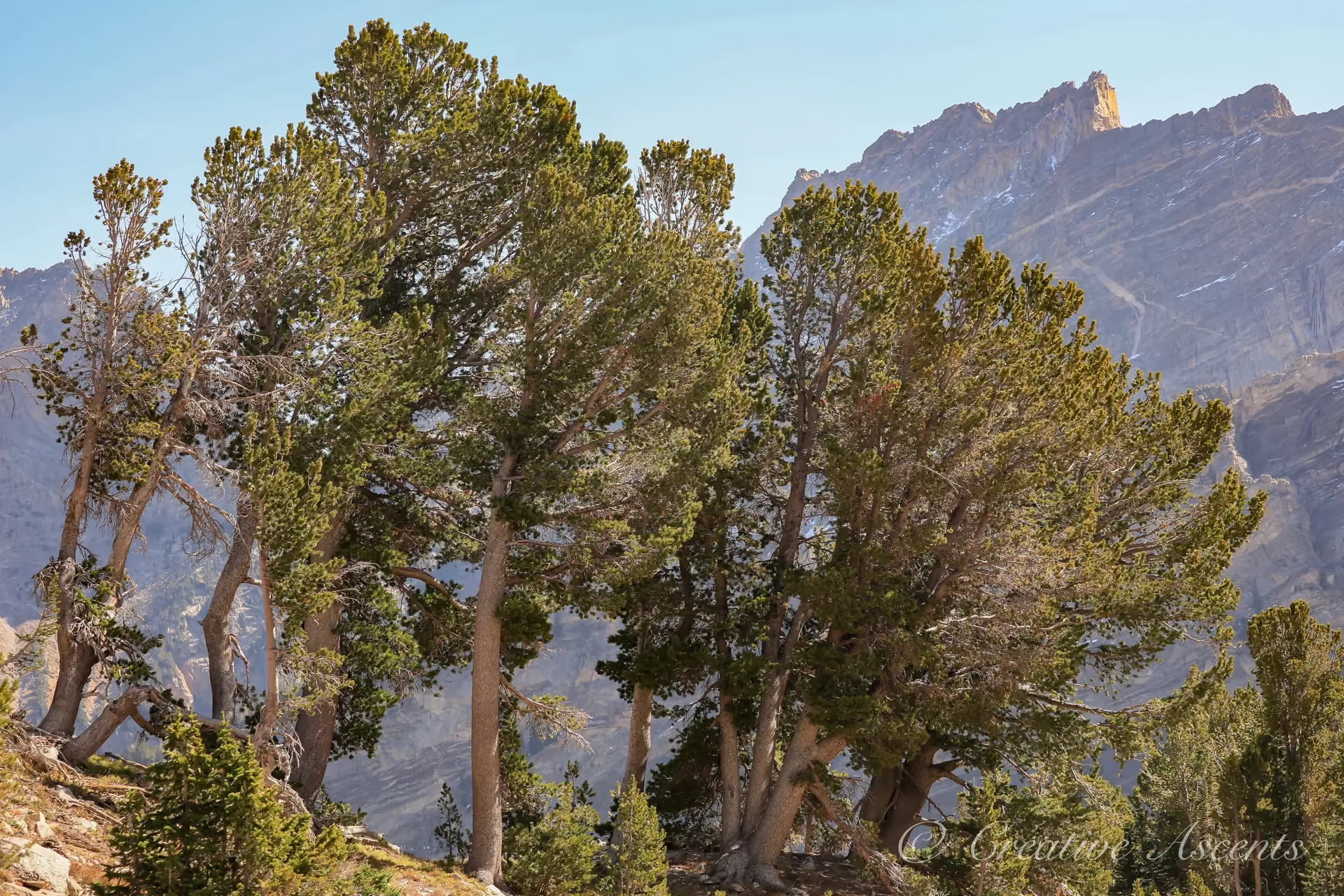
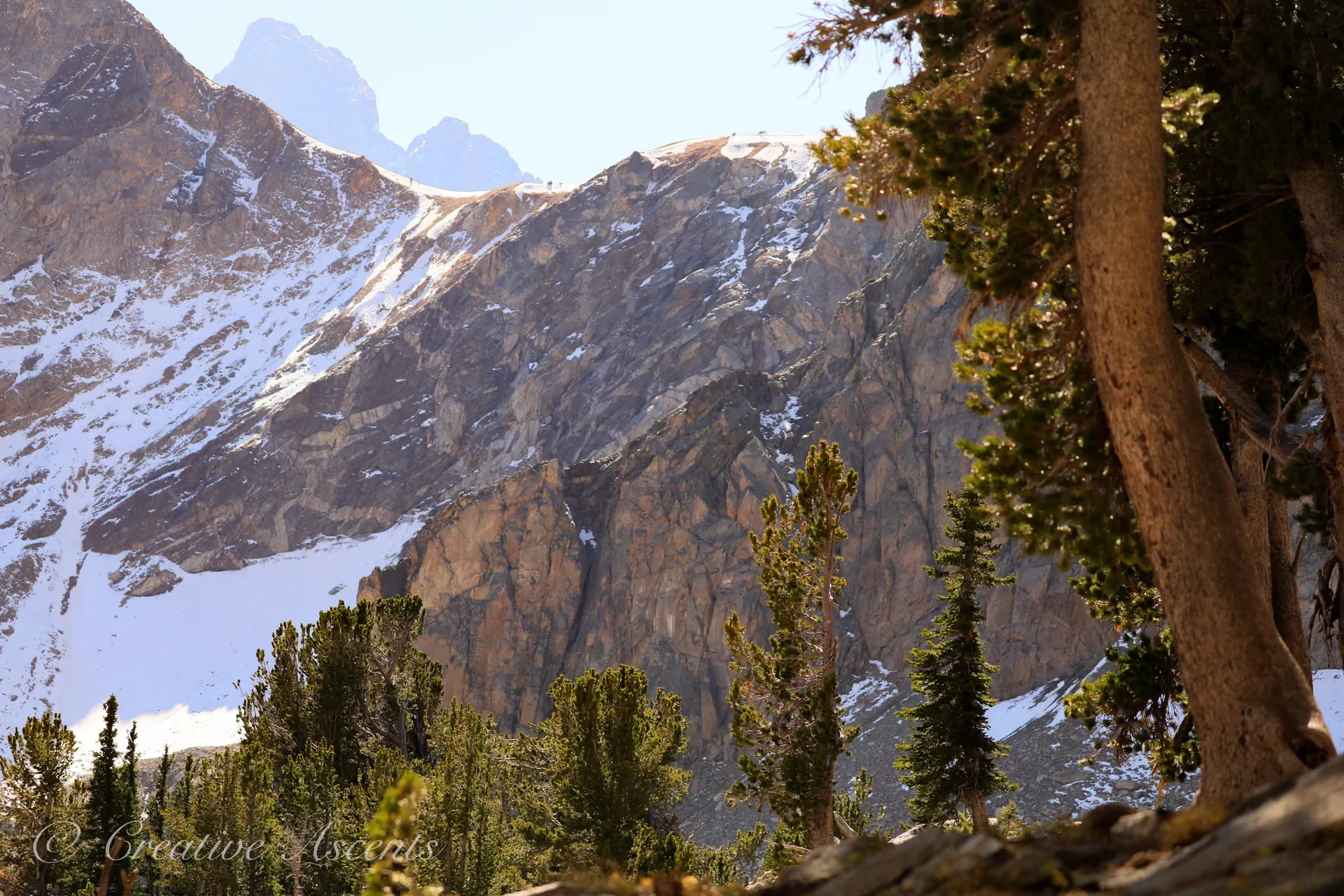
Whitebark pine stands are a vital component of ecosystem health in Grand Teton National Park. As the highest-elevation tree species in the range, whitebark pines play a crucial role in regulating snowpack retention and melt, helping to influence downstream water systems. Their nutrient-rich seeds also provide an important food source for a wide range of wildlife species.
Today, whitebark pine faces significant threats. White pine blister rust, a non-native fungal disease, along with outbreaks of native mountain pine beetles, has accelerated tree mortality and placed whitebark pine groves at risk throughout Grand Teton and the broader Greater Yellowstone Ecosystem.
Research and Conservation
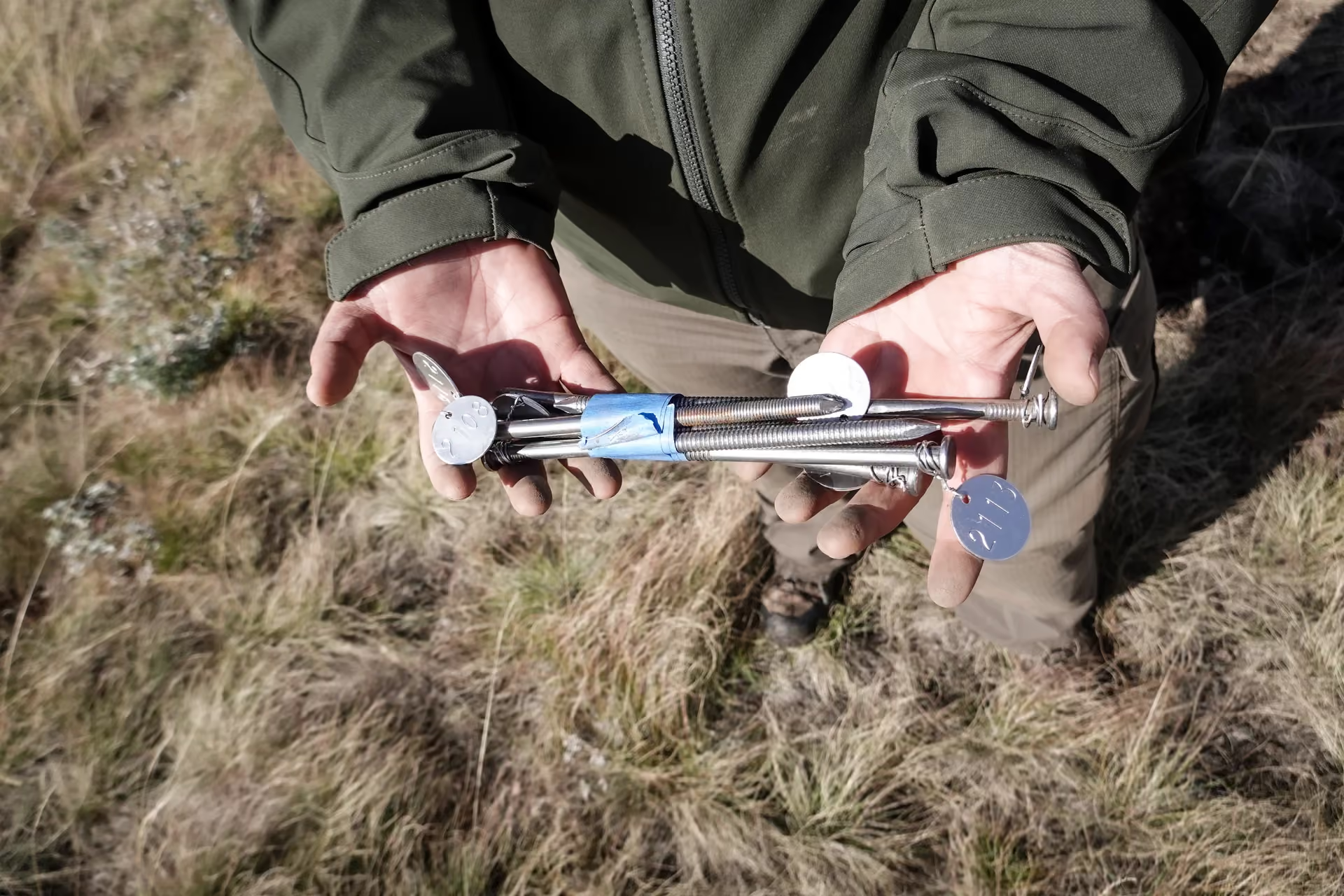
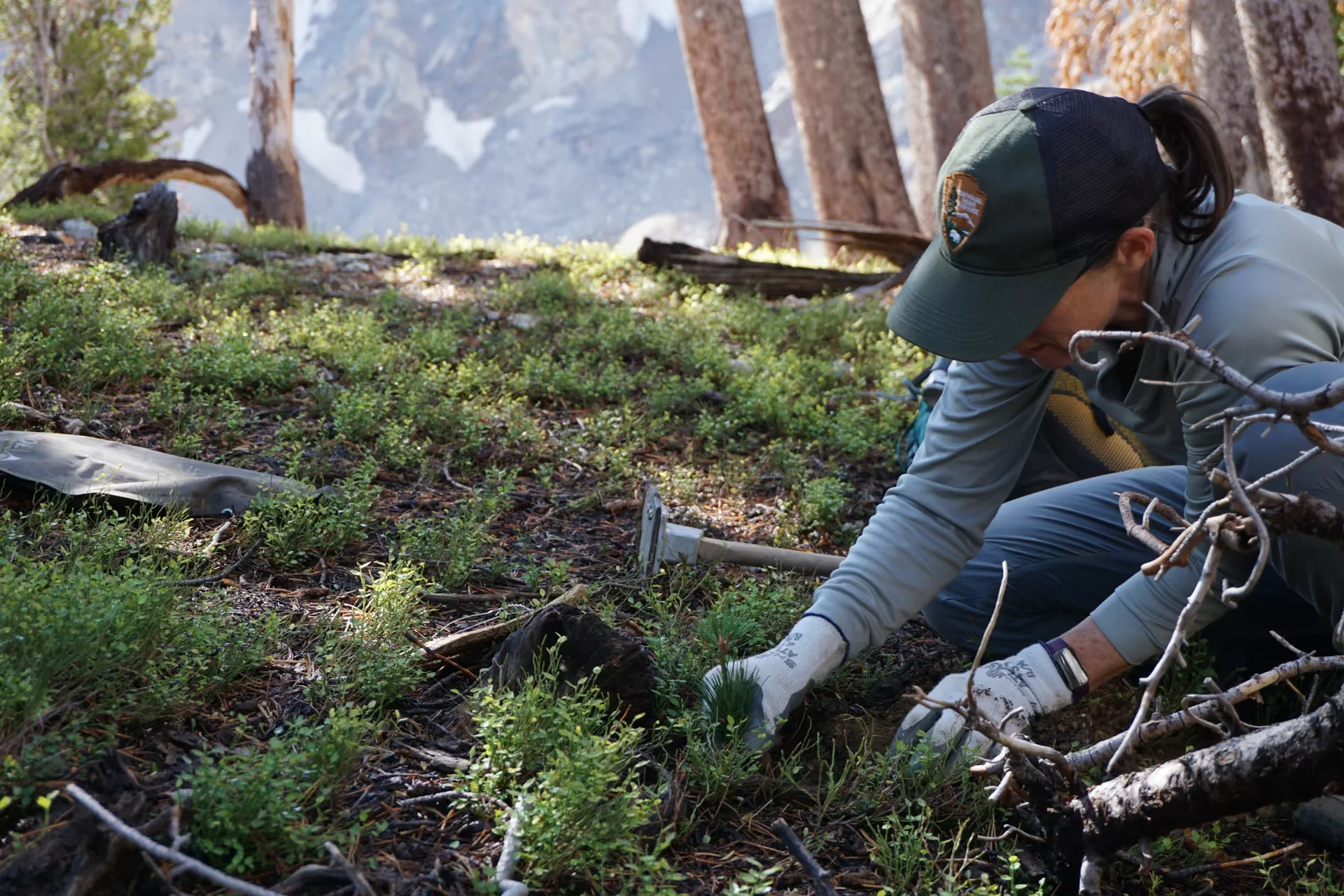
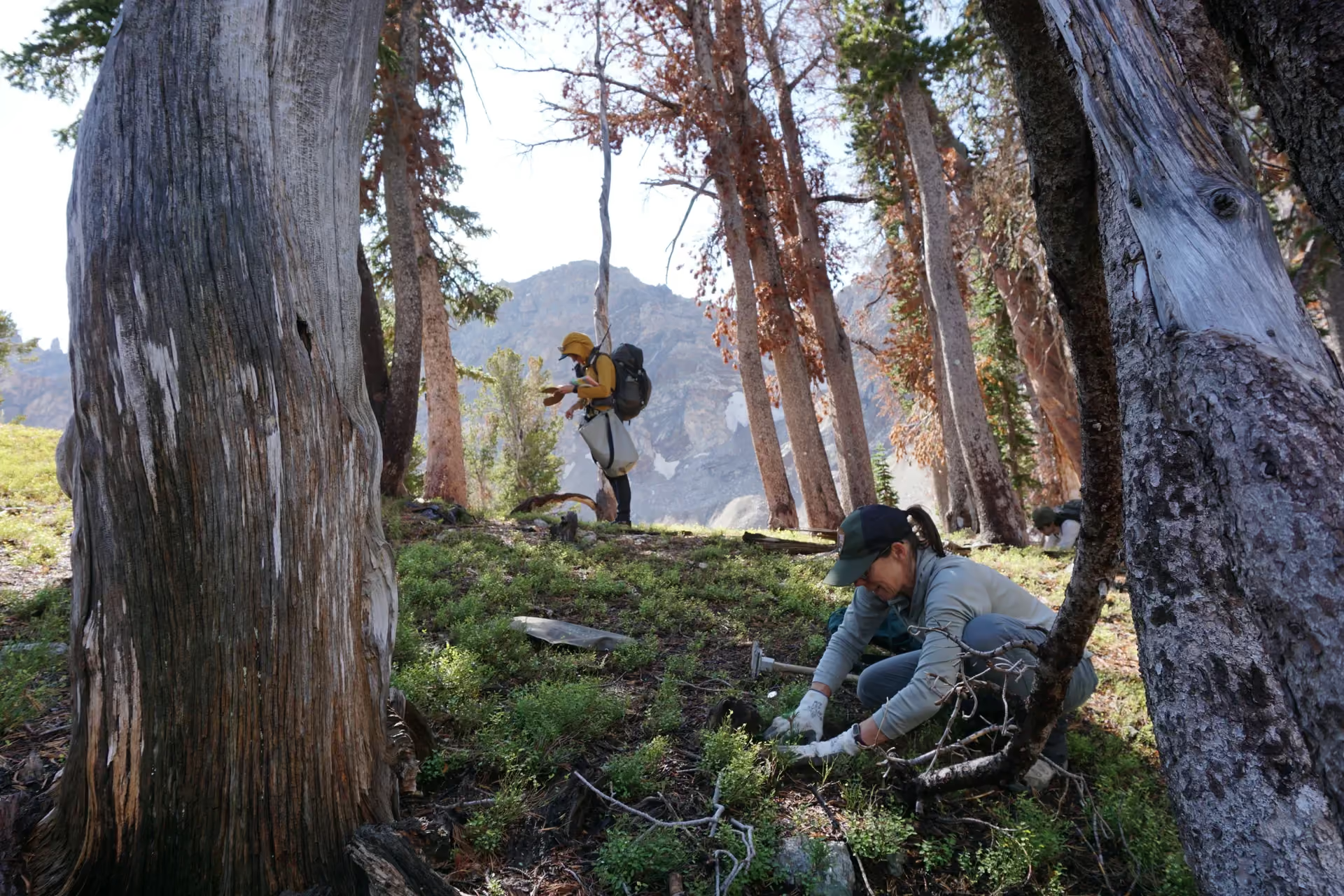
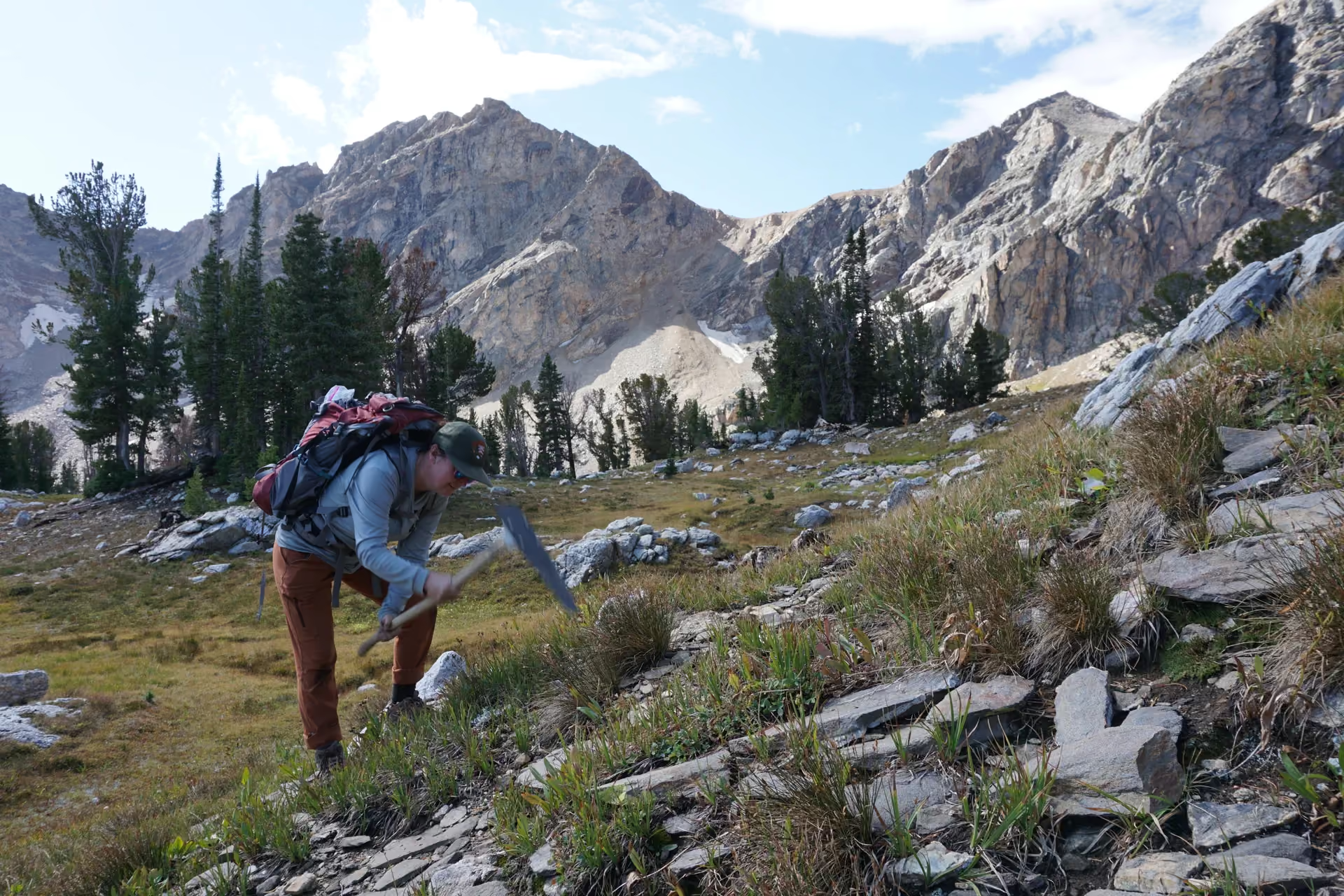
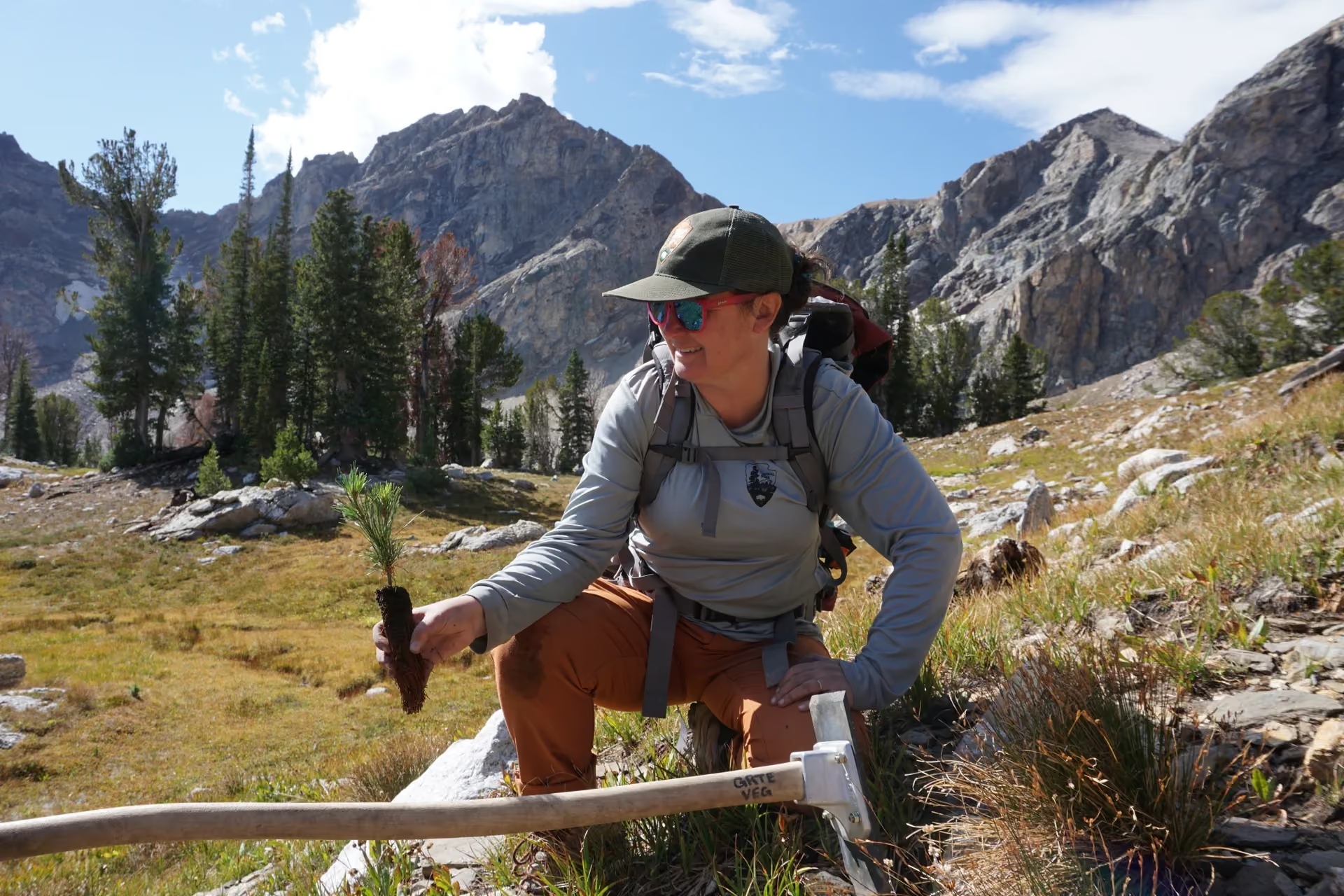
Funding supports Grand Teton’s long-term whitebark pine conservation and restoration program, which integrates monitoring, genetic research, and active restoration. For more than two decades, park biologists have collected cones to identify blister rust–resistant trees, protected high-value seed trees from mountain pine beetles using verbenone, and contributed resistant seed to regional recovery efforts. Researchers have identified some of the most blister rust–resistant trees in the Greater Yellowstone Ecosystem within the park. Building on this discovery, Grand Teton has launched a major high-elevation restoration initiative. After testing direct seeding methods in recent years, crews expanded their efforts, culminating in the planting of approximately 2,600 seedlings in Paintbrush Canyon in 2025. Planting and associated research is ongoing, marking an important step forward in restoring whitebark pine across the park’s high alpine landscapes.

Sagebrush and Grassland Habitat Restoration
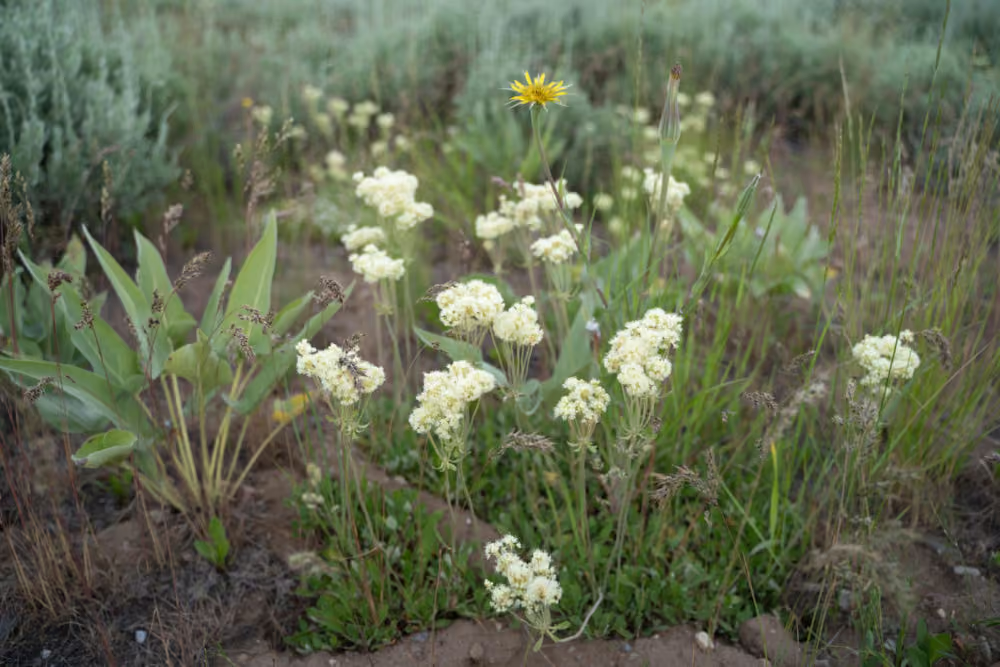
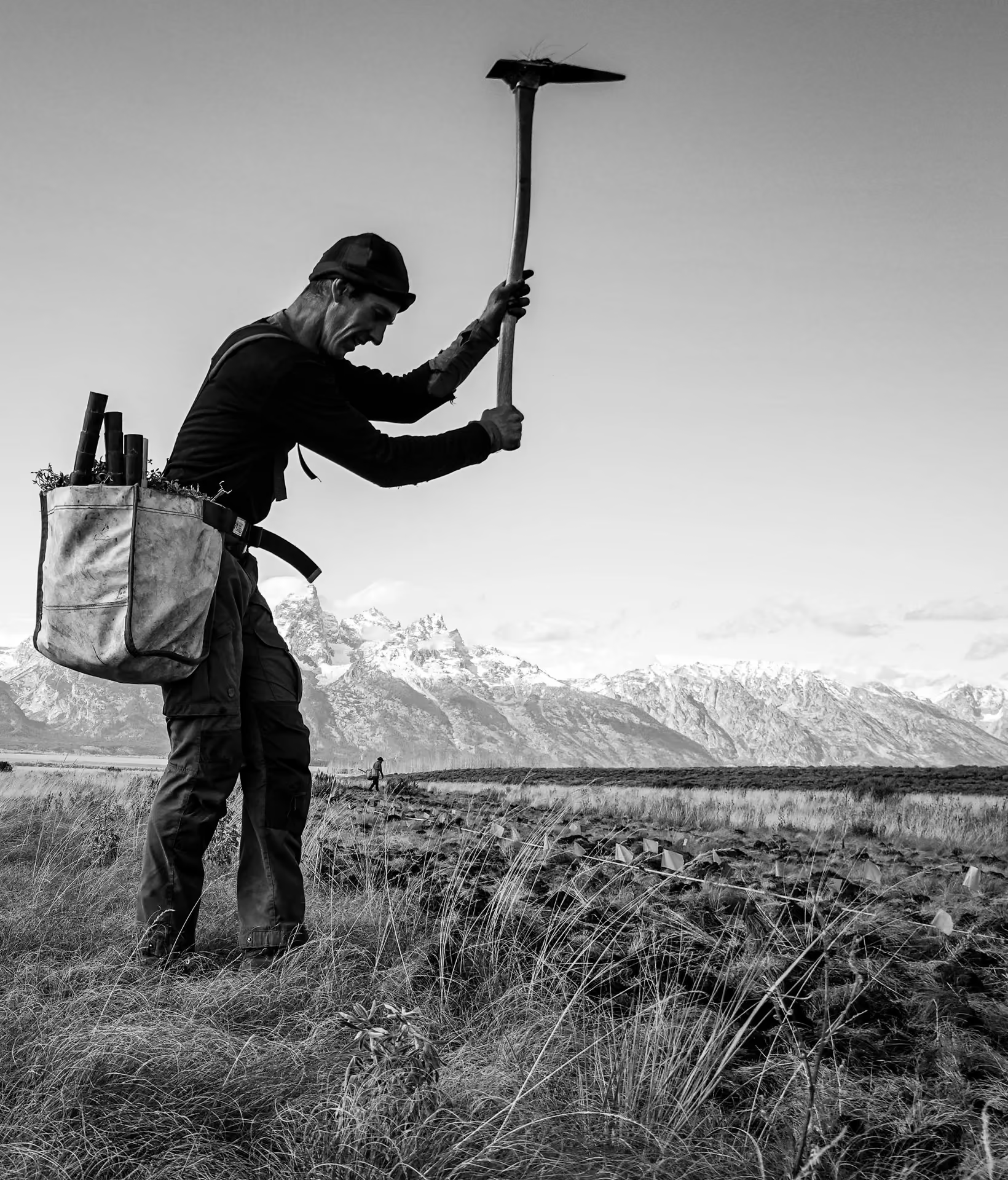
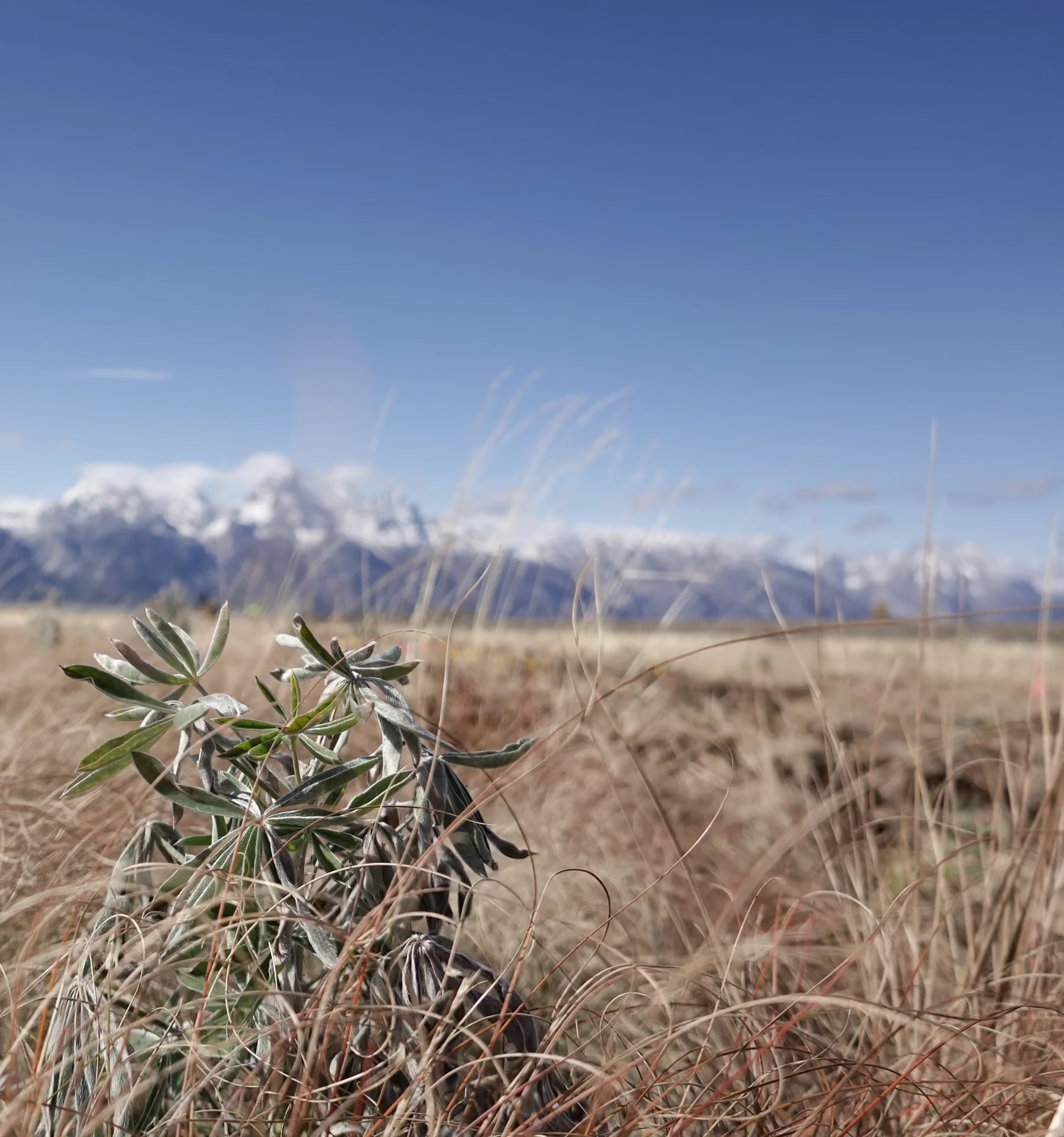
Sagebrush is a defining feature of Grand Teton National Park’s lower-elevation landscape and a cornerstone of the Greater Yellowstone Ecosystem. These expansive shrublands provide critical habitat for pronghorn, mule deer, elk, sage-grouse, songbirds, and pollinators, while stabilizing soils and supporting the park’s broader ecological health.
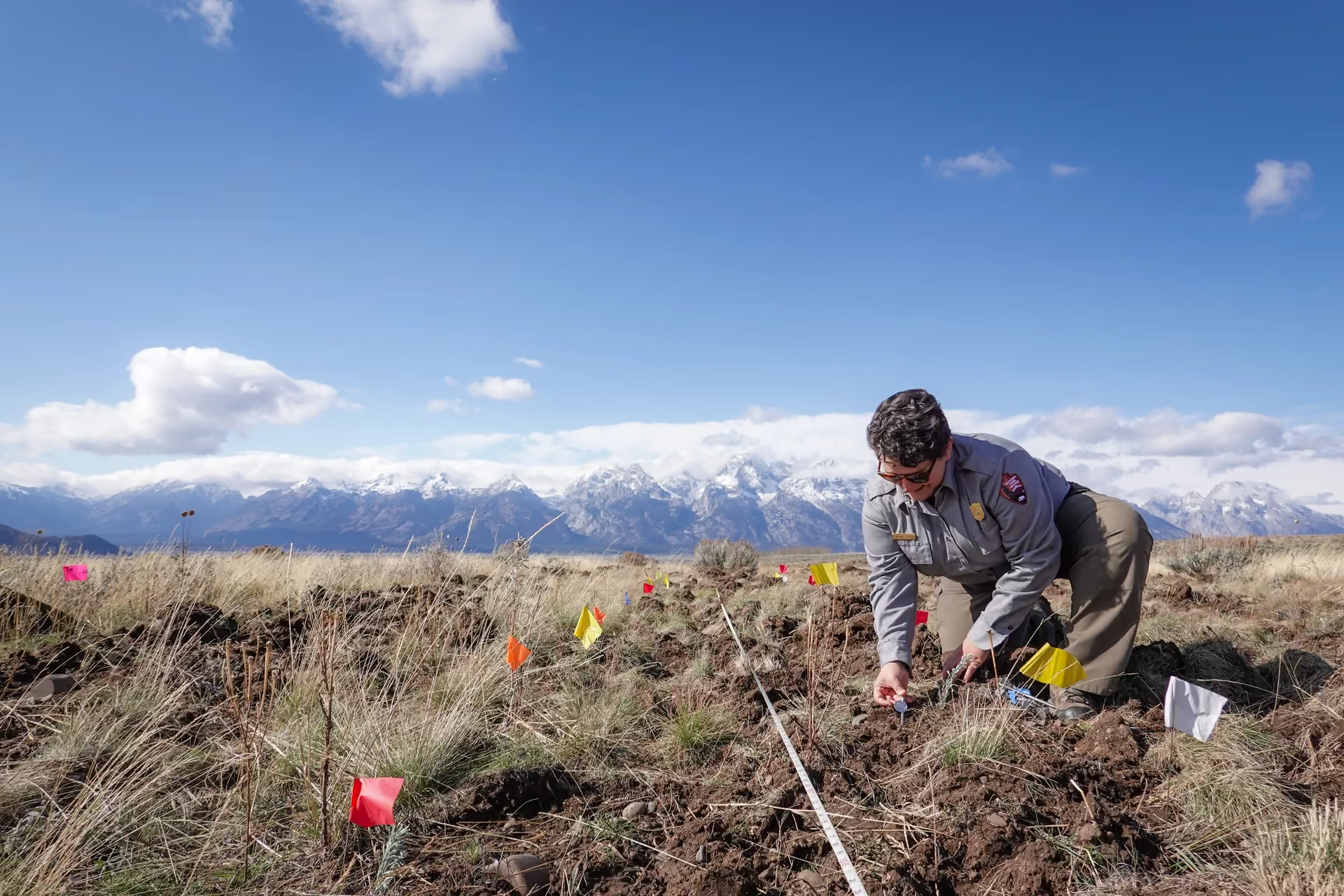
Prior to the establishment of Grand Teton National Park, portions of native sagebrush habitat were converted for agricultural use, particularly in areas like Mormon Row, where plowing and hay production replaced diverse native plant communities with cultivated and nonnative species. Because sagebrush ecosystems recover slowly and are difficult to reestablish once disturbed, active restoration is essential to rebuilding habitat, improving biodiversity, and strengthening long-term resilience across the landscape.

Research and Conservation
Restoring the Landscape, Acre by Acre
1,440
50-100






%20240703.avif)
.avif)