.avif)


trails & access
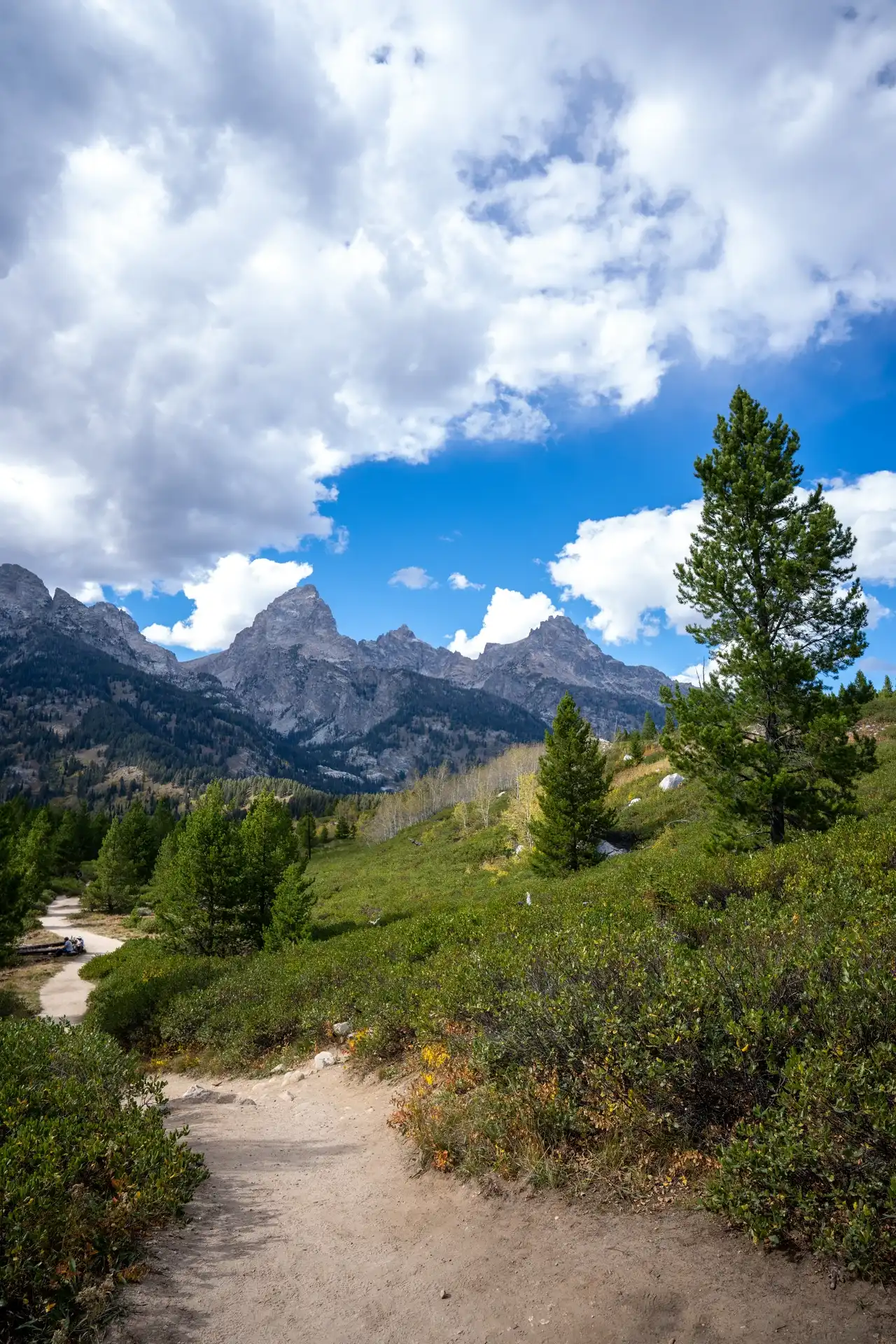
Over 350 miles of designated paths wind throughout Grand Teton National Park’s 310,000 acres, providing endless opportunities for visitors to immerse themselves in the natural beauty of the Teton Range.
Grand Teton National Park Foundation funds projects that enable Grand Teton to assess, plan, and execute specialized trail initiatives—ensuring that the park’s incredible alpine lakes, mountain passes, and scenic vistas are enjoyed for generations to come.

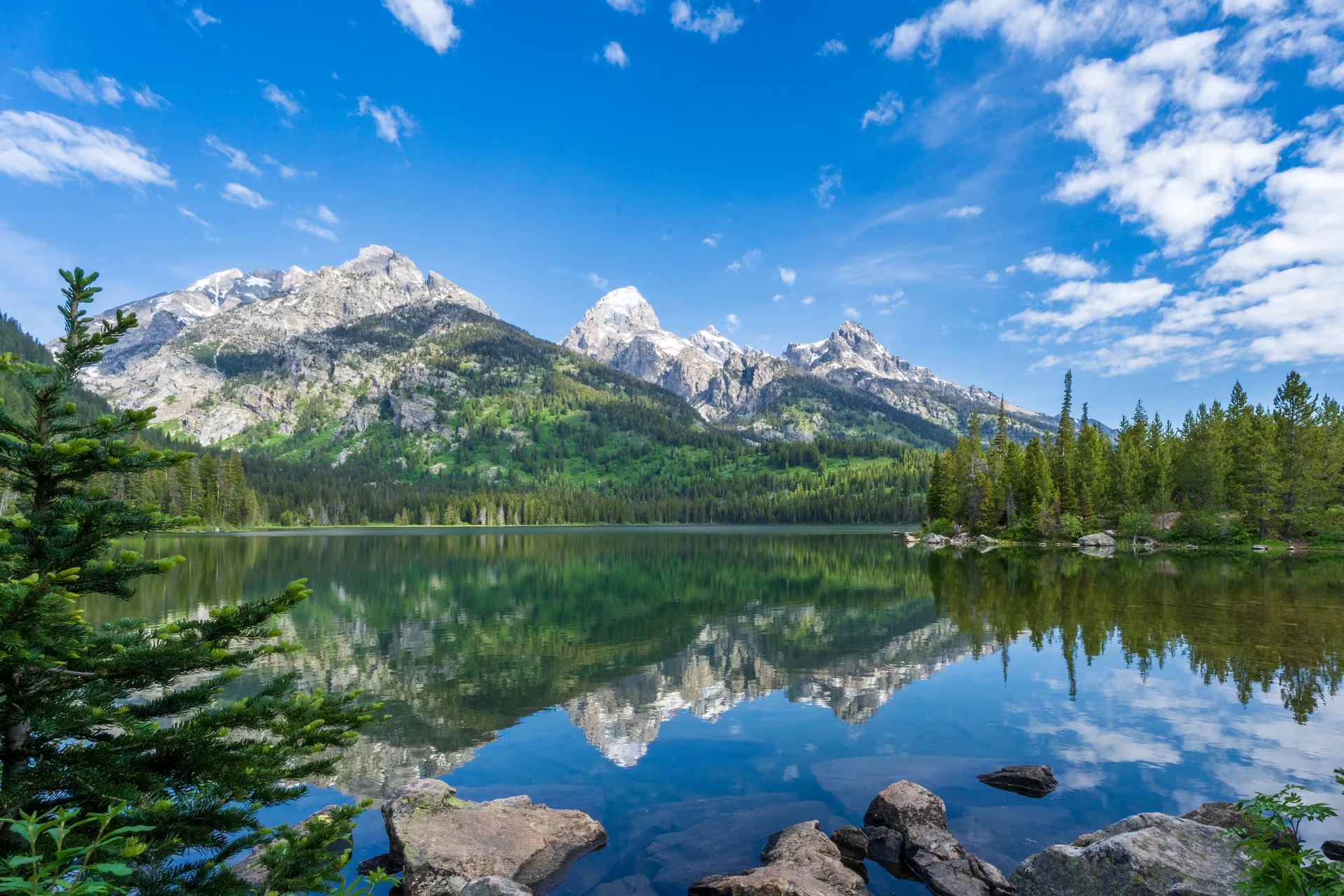
Reimagining Taggart Lake
Taggart Lake Trailhead is Grand Teton's most-frequented year-round destination, but growing visitation has overwhelmed its facilities and backcountry routes. Reimagining Taggart Lake will address these impacts, improve infrastructure, expand accessible hiking experiences, and restore the quality of one of the park's most beloved places.

Backcountry Trail Renewal: Teton Crest Trail & Delta Lake
Trails are the framework of Grand Teton National Park, connecting visitors to the landscape and inviting exploration of its vast, iconic environment. Backcountry trail renewal projects help ensure these routes remain safe and accessible while reducing impacts on the surrounding ecosystem.



350 MILES
1929
13,775 feet
4 seasons
reimagining
taggart lake
Taggart Lake Trailhead is Grand Teton National Park’s most-frequented, year-round destination and a place for all visitors to experience first-hand the beauty of this iconic national park.
Growth in visitation has overwhelmed the trailhead's facilities: the 62-car parking lot regularly exceeds capacity, forcing roadside parking and temporary restrooms that detract from the visitor experience. Eighty-seven percent of visitors surveyed reported concerns about crowding and safety. Beyond the trailhead, impacts extend to deteriorating trail sections, user-created paths, and denuded shorelines along Taggart and Bradley lakes.
This project to reimagine Taggart Lake will address these impacts while improving infrastructure, deepening visitor engagement, and expanding accessible hiking experiences across the area.
Grand Teton National Park Foundation is raising $10.5 million, which will leverage at least $4 million from the National Park Service. Private, philanthropic support will create outcomes at Taggart Lake that would not otherwise be possible.


BACKCOUNTRY
TRAIL RENEWAL
Over 350 miles of designated trails wind through Grand Teton National Park's 310,000 acres, providing endless opportunities to explore alpine lakes, mountain passes, and scenic vistas. The Foundation funds projects that enable the park to assess, plan, and execute specialized trail initiatives, ensuring these landscapes are enjoyed for generations to come. Current projects include:
Teton Crest Trail Renewal: The Teton Crest Trail is a forty-five-mile ridgeline traverse and one of the most picturesque destinations in the National Park Service. Some sections, built by the Civilian Conservation Corps in the 1930s, have persisted largely untouched for over ninety years. Foundation support has made much-needed improvements possible, ensuring visitors can continue to safely explore this iconic route.
Delta Lake Renewal: Launching in 2026, this project will improve the heavily trafficked route to Delta Lake, an alpine destination known for its striking glacial waters and views of the Grand Teton. In collaboration with the Access Fund, trail crews will stabilize the route, reduce erosion and vegetation impacts, and enhance the visitor experience through signage, trail markers, and the addition of steps in steep, challenging sections.
WINTER GROOMING
Each year, the Teton Park Road is groomed three times a week thanks to the generosity of the Foundation’s supporters. The fourteen mile stretch from the Taggart Lake Trailhead to Signal Mountain follows the base of the mountains, providing cross-country skiers, snowshoers, and walkers with access to one of the most spectacular winter destinations in the west.

Accessibility
improvements
Accessibility-focused projects in Grand Teton improve trail surfaces, grades, and infrastructure to create safer, more navigable routes for visitors of all abilities. Each improvement is carefully balanced to preserve the park's natural character while opening new ways for people to connect with this remarkable place.
Trail Signage: Comprehensive trail signage is a key component of bringing Grand Teton's trails into alignment with national accessibility standards. Informational resources at trailheads help visitors of all abilities make informed decisions about trail conditions, while enhanced signage improves backcountry safety and protects trail-side landscapes by educating visitors on hazards, wildlife viewing, and trail etiquette.

Achievements
Jenny Lake Renewal Project
Jenny Lake is Grand Teton's most popular destination, and every visitor, regardless of ability, should have the opportunity to experience it. The Jenny Lake Renewal Project prioritized accessibility by creating pathways for visitors who use mobility devices to reach the water's edge and explore the entire frontcountry trail network.
Snake River Gateways
As part of the Snake River Gateways project, wheelchair-accessible platforms for fishing and scenic viewing were installed, along with engaging interpretive elements—creating meaningful opportunities for all visitors to connect with and explore this remarkable landscape.
Reimagining Taggart Lake
The ongoing effort to reimagine the Taggart Lake Trailhead and surrounding trail network will enhance access to the area through improved educational signage and thoughtful trail upgrades. The trail to the first bridge crossing over Taggart Creek will be fully wheelchair accessible, and the remaining stretch to the lake will be modified to improve navigability for visitors using special mobility devices.