.avif)

Redefining Emergency Care in the Backcountry
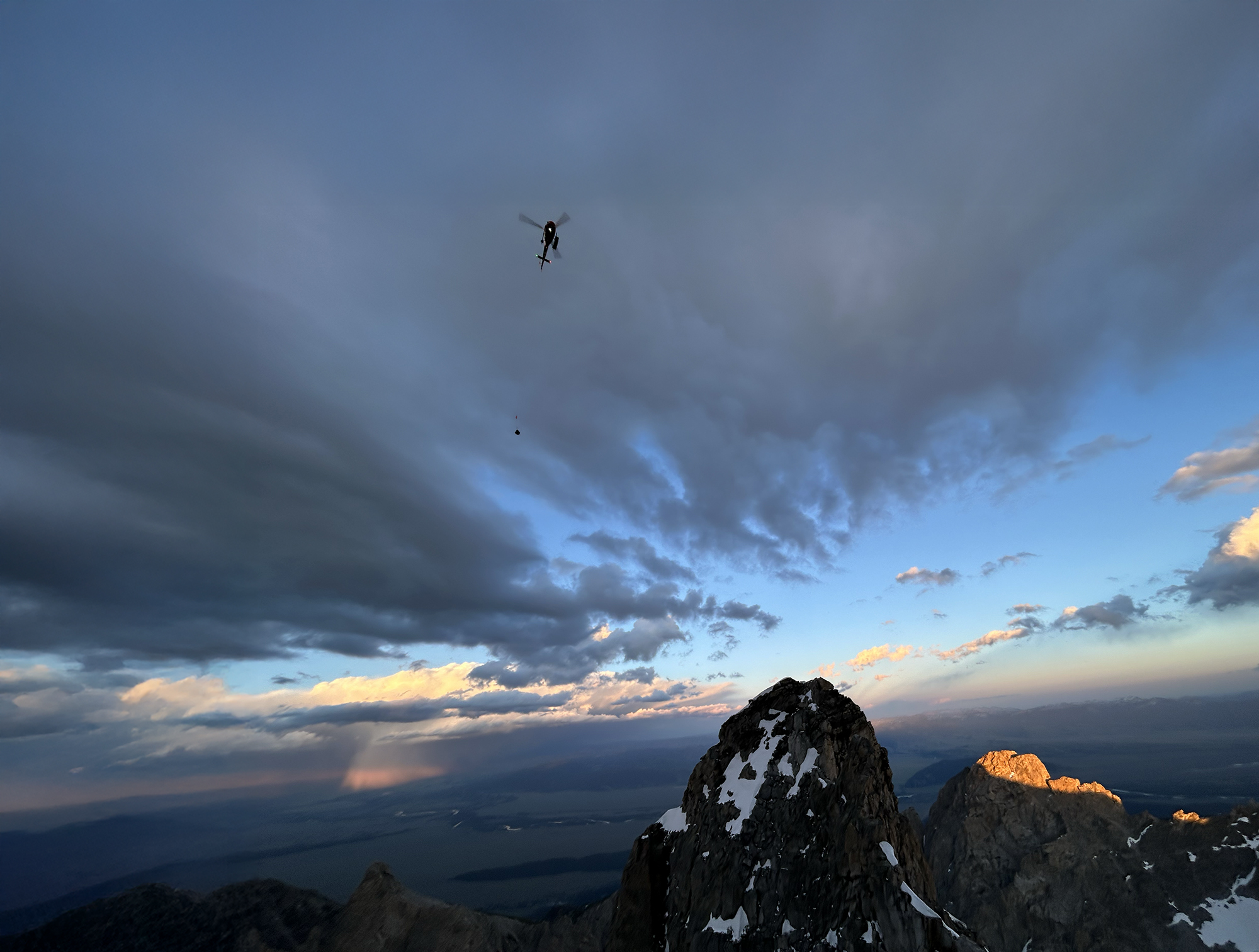
In Grand Teton National Park’s remote backcountry, medical response can often look very different than your standard 911 call. Rather than rapid transport to a hospital, it is defined by the quality of life-saving care rangers can deliver on site—often in challenging terrain and without immediate backup. As visitation increases and emergencies become more complex and remote, this project strengthens ranger readiness beyond standard paramedic training, preparing them to perform advanced medical procedures when field care may be the only option to save a life.
Key Facts
Skills-based anatomy training
Specialized cadaver-based training is now considered the gold standard for first responder readiness, allowing professionals to practice advanced medical procedures in a controlled environment and apply those skills with confidence in remote settings like Grand Teton National Park. This initiative provides park rangers with the opportunity to participate in this advanced level of medical training, strengthening their preparedness when on-site care is critical.
Advanced Extrication Equipment for Technical Rescue
This investment equips rangers with modern, high-capability extrication tools designed for rescues in remote, high-risk environments where access is limited and conditions are unpredictable. These resources reduce response time for patients trapped in damaged vehicles or confined spaces along park roads and backcountry access routes, while enhancing responder safety and allowing critical medical care to begin sooner.
Mental Health and Wellness
Proactive mental health support and peer resources help rangers navigate high-stress, high-risk environments, promoting well-being and long-term retention among frontline staff.