.avif)

Whitebark Pine Restoration: A Look at the 2026 Season
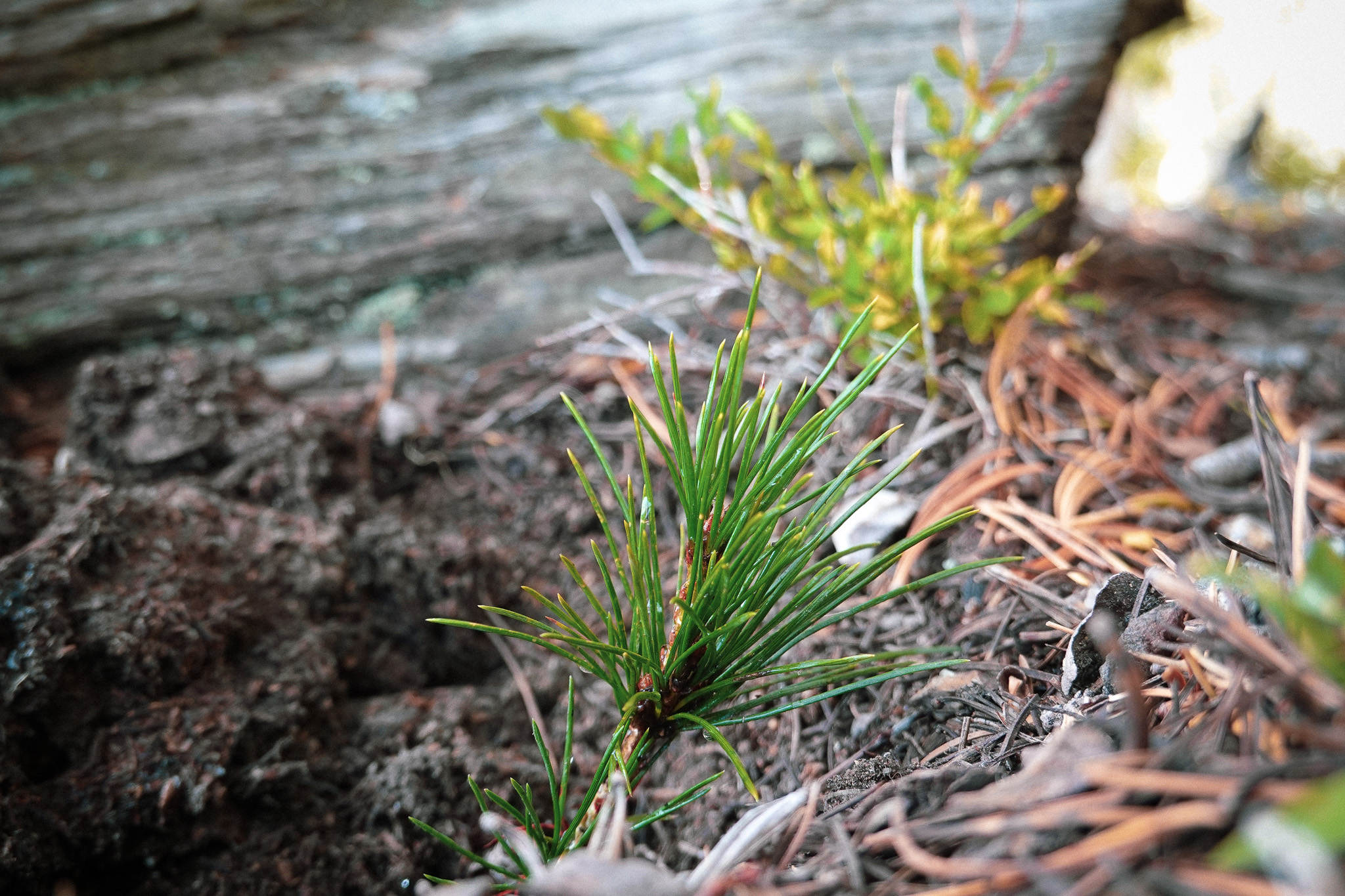
As a keystone species, whitebark pine plays an important role in the high-elevation ecosystems of Grand Teton National Park. Its cones are a food source for wildlife, including Clark’s nutcrackers and grizzly bears, while its broad branches hold snow on mountainsides, aiding in a slower melt process that keeps water flowing into rivers over time.
Growing at elevations where few other trees can survive, whitebark pine is remarkably resilient to the harsh conditions of the alpine environment. But despite its ability to withstand extreme weather, the species faces significant threats from white pine blister rust, a disease caused by a nonnative fungus, as well as native mountain pine beetles and a changing climate. Whitebark pine populations have declined across the West, and in 2022, the species was listed as threatened under the Endangered Species Act.
Grand Teton National Park Foundation has supported efforts to protect and restore whitebark pine in the park for years, and the work continued into 2026. Throughout this summer and fall, crews traveled into high-elevation areas of the Teton Range to plant new seedlings, distribute seeds, protect mature trees, and monitor restoration sites.
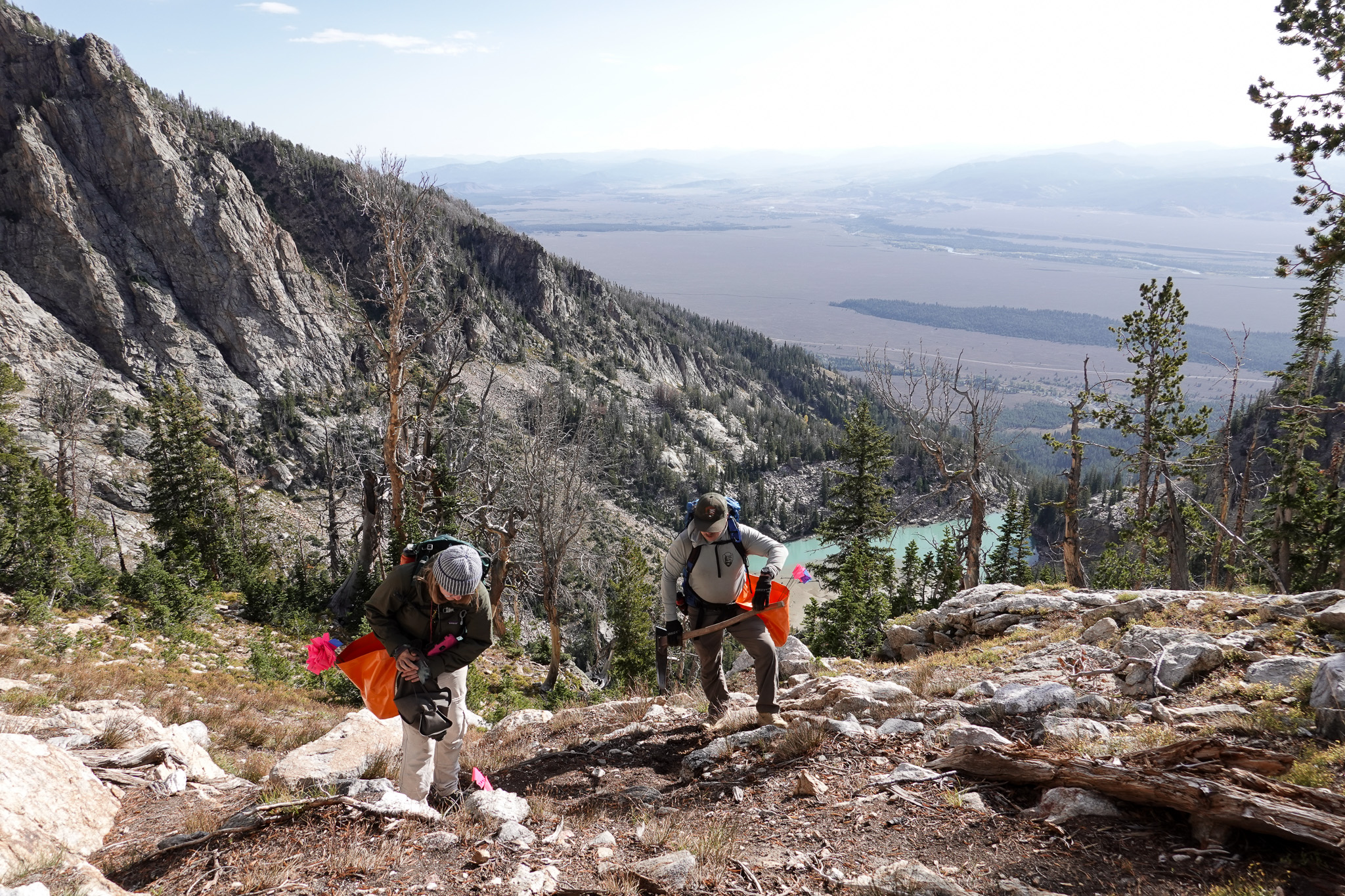
Approximately 4,000 rust-resistant whitebark pine seedlings were planted across two high-elevation areas this season as part of a decade-long strategy to restore roughly 200 acres of whitebark pine habitat across nine core areas of the park. Holly Lake in Paintbrush Canyon served as the primary restoration site while crews also continued direct seeding near Surprise and Amphitheater Lakes.
Getting seedlings into these remote alpine environments is no small undertaking. Foundation-supported seasonal crews hike or, in some cases, travel by horse to reach restoration sites to reach restoration sites. The seedlings themselves are grown from cones collected from trees that have shown natural resistance to blister rust, giving the next generation of whitebark pine a better chance of withstanding one of the species' greatest threats.
Protecting the whitebark pine already growing across the park is another significant part of the effort. This summer, approximately 4,500 verbenone pouches were installed on rust-resistant whitebark pine trees throughout Grand Teton. The pouches use a chemical signal to deter mountain pine beetles, helping protect trees that are particularly valuable to the species' long-term recovery.
Monitoring continues long after a seedling goes into the ground. At Holly Lake, researchers are monitoring newly planted and naturally growing whitebark pine to better understand how the trees establish and grow over time. Crews collect baseline data on each seedling, including measurements like height, so they can return in future years, take the same measurements, and track its growth and survival. They are also testing a number of different planting methods, such as whether coconut coir mats placed around seedlings can help retain moisture.
Grand Teton National Park Foundation supports the seasonal crews carrying out this work, along with blister rust resistance testing, beetle protection, seed and seedling supply, and research partnerships that help keep restoration grounded in science.
Restoring whitebark pine is inherently long-term work. The seedlings planted across the Tetons this season will take years to establish, but each one is part of a much larger effort to ensure this vital high-elevation species remains a part of Grand Teton's landscape for generations to come.
EXPLORE MORE STORIES:
.jpg)