.avif)

September Wildlife Whereabouts: Fall Provides Ample Wildlife Viewing
September marks a season of transition for Grand Teton’s wildlife. Many ungulates (hoofed animals) are mating, birds are leaving their summer territories for fall migrations, and animals across the ecosystem are preparing for the winter.
Elk, Moose, & Pronghorn: By late September, the breeding season for elk, moose,and pronghorn is winding down, while bighorn sheep and mule deer won’t begin breeding until November. September is the ideal time to listen to elk bugling on crisp mornings just before dawn or quiet evenings before dusk. Bull elk use bugling to communicate several things: a single bugle calls cows back to his harem if they stray; a scream bugle warns rival bulls that he will defend his harem; and the bull-to-bull scream bugle asserts dominance, often scaring off a subordinate bull before physical conflict.
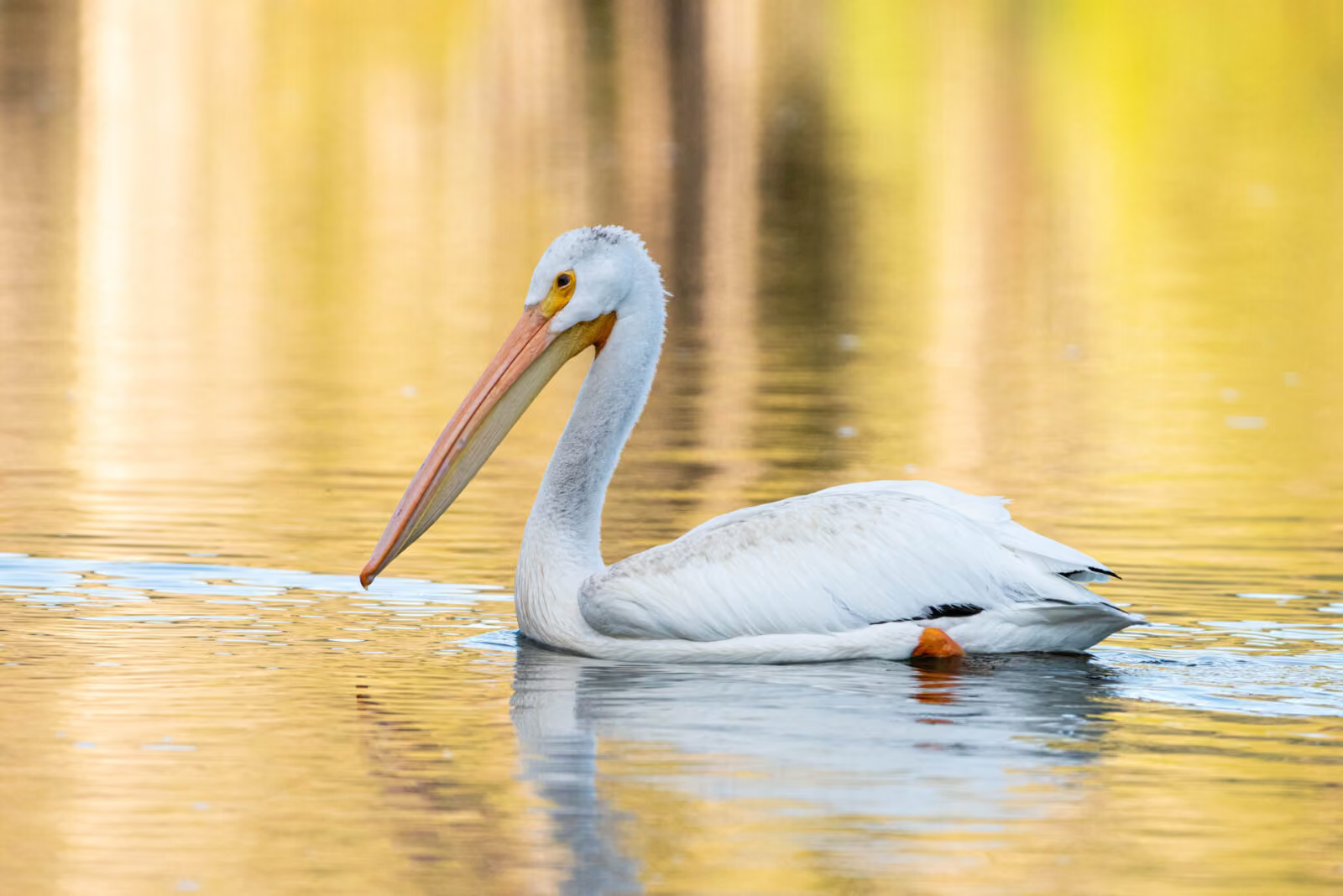
Bird Migrations: Forests, meadows, and shrublands grow quieter as birds abandon breeding territories and migrate to distant wintering grounds. Songbirds depart instinctively before harsh weather starts. Canada geese follow a different strategy. They gather into larger flocks, gorge on grain (grass seeds), and remain in the valley until cold weather, frozen water, and diminishing food supplies prompt them to migrate. Young geese learn migration routes from their parents and other adults. These heavy-bodied birds use strong wingbeats to fly fast, over 30 mph. They avoid headwinds by flying at night when it is calmer or during the day when favorable tailwinds are available. Their V-shaped flight formation helps conserves energy. It is a form of drafting that helps pull the trailing bird forward and provides lift. Mature adults take turns leading the formation, shifting positions as they tire and allowing younger, less powerful birds to benefit from flying behind.
Pikas: These small relatives of rabbits do not hibernate. Instead, they prepare for winter by gathering and storing plant material. By September, their drying piles of vegetation, called haystacks, become visible, tucked in crevices or beneath overhangs on talus slopes near their dens. Pikas are highly selective in what they collect, favoring plants with high nutritional value. Although some chosen plants contain toxins when freshly gathered, their toxins break down as they dry, making them safe to eat in winter. Some plants even have antimicrobial compounds that help prevent the haystacks from rotting.
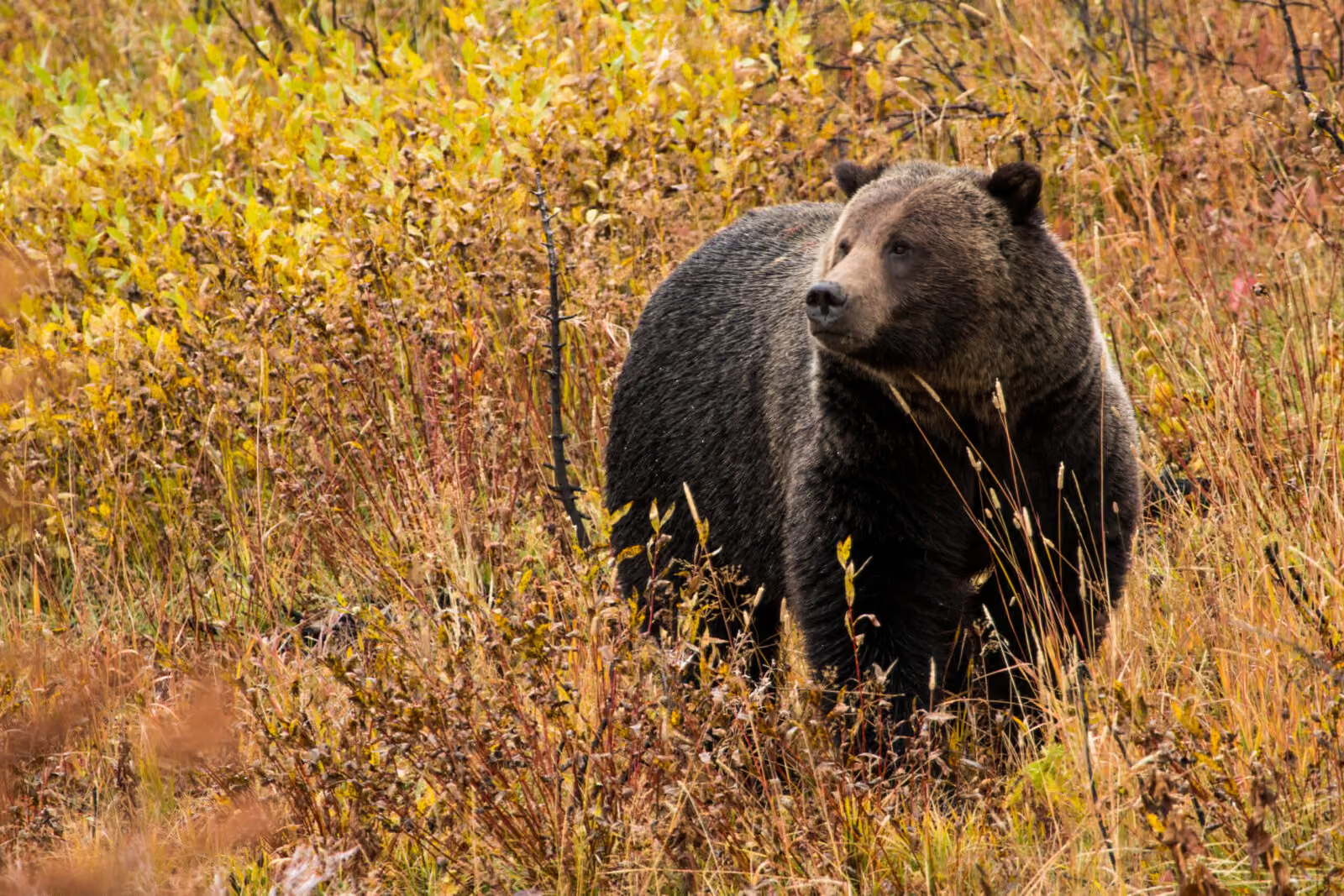
Black and Grizzly Bears: Bears are now in hyperphagia, an intense period of foraging to build winter fat reserves. The poor berry production this year means that bears are having to search more widely for food sources. High-fat whitebark pine nuts are another preferred food, but their production varies from year to year. Whitebark pines are also threatened and declining in many areas. Bears climb whitebarks to get the cones and raid red squirrel caches—a major loss for squirrels that spent months gathering food. By the end of October, most black bears have denned, even if little snow has fallen. Most grizzly bears wait until November to begin denning; although, some adult males and others that have learned to take advantage of late-season foods may remain active into December. Bear dens can be found at any elevation and on any aspect, but higher elevation sites on north aspects are preferred.
Wolves: Wolf pups are now traveling with their packs on foraging trips, having graduated from waiting at rendezvous sites in August or early September. These excursions allow pups to follow adults, practice traveling and hunting, and become familiar with their pack’s territory.
Fish: Native mountain whitefish and non-native lake, brook, and brown trout are moving toward spawning habitats as fall spawning activity begins. Water levels will drop along the Snake River with scaled back releases from Jackson Lake Dam and naturally along other waterways as fall progresses into winter. As flows recede larger fish seek deeper pools for refuge from colder temperatures. Cutthroat trout often move downstream into deeper pools as winter approaches.
Always keep a safe distance and respect wildlife—if an animal changes its behavior, stops feeding, or moves away, you are too close. On roadways in and around the park, stay alert, slow down, and watch for wildlife crossing, especially at night and in low light.
EXPLORE MORE STORIES:
.jpg)