.avif)

Rock Glaciers: The Hidden Ice Shaping Grand Teton's Future

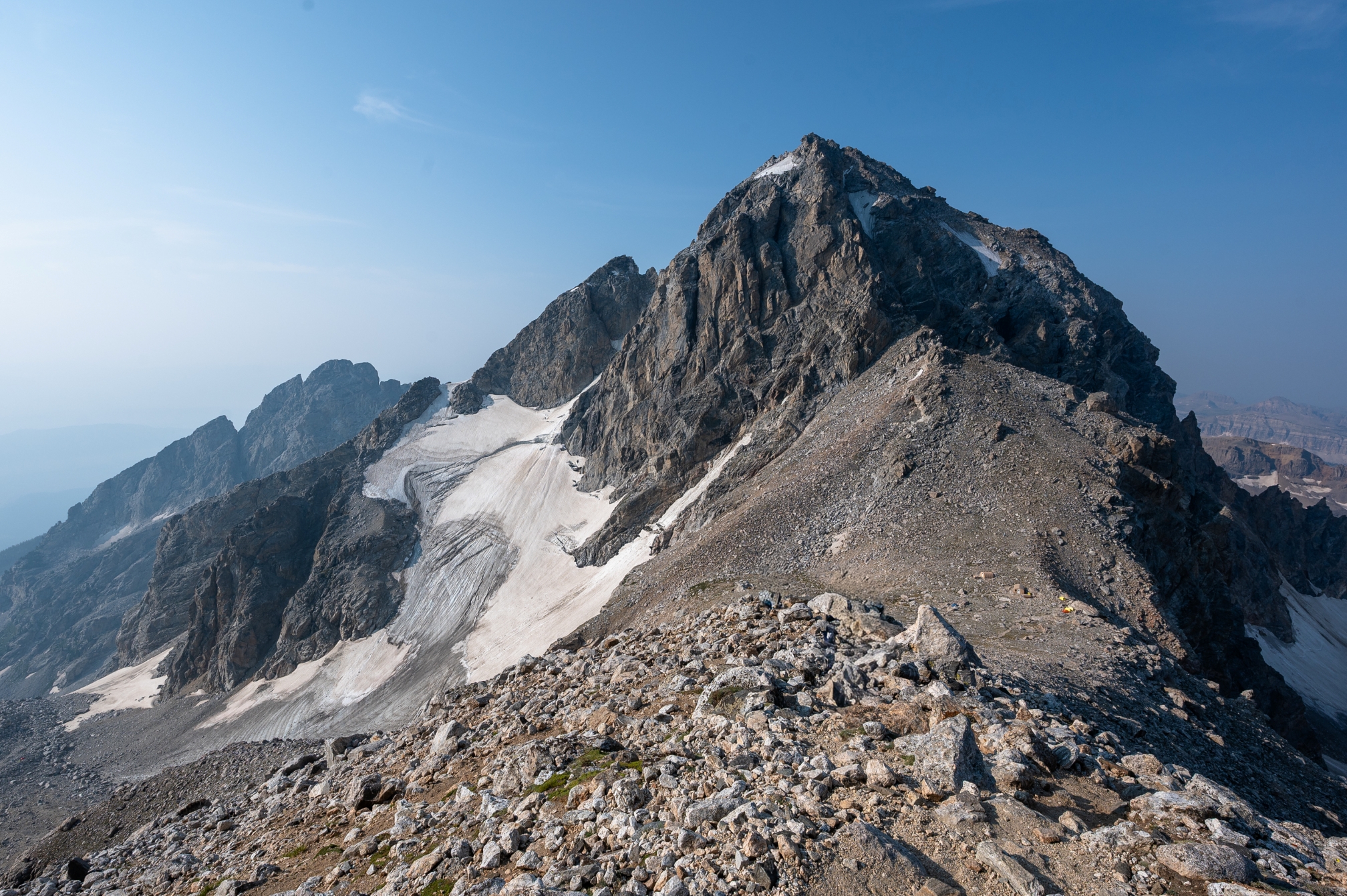
When we think of glaciers in Grand Teton National Park, we often picture the familiar expanses of ice tucked beneath the park's highest peaks. But another type of glacier, largely hidden beneath layers of rock, may play an increasingly important role in the future of the Teton Range.
Known as rock glaciers, these formations are the focus of emerging research led by Grand Teton National Park scientists, made possible by funding from Grand Teton National Park Foundation.
As Simeon Caskey, the physical science branch chief at Grand Teton National Park, explains, understanding these hidden ice formations could provide valuable insight into how the park's alpine ecosystems will respond to a changing climate.
What Are Rock Glaciers?
Unlike traditional glaciers, rock glaciers don't appear as large expanses of snow and ice. Instead, they resemble slow-moving rivers of broken rock and boulders stretching down mountain slopes. Beneath their rocky surfaces, however, lies substantial ice.
This outer layer of rock acts as natural insulation, protecting the ice underneath from sun and wind and significantly slowing melting compared to exposed glacier ice.
Rock glaciers move slowly downhill, store water, and influence surrounding streams, much like traditional glaciers, but their effects are often less visible.
They're also more common than you might expect. While Grand Teton is home to eleven named glaciers, the park contains more than thirty rock glaciers.
An Important Source of Cold Water
As surface glaciers continue to shrink, rock glaciers may become increasingly important sources of cold water for alpine streams and the ecosystems that depend on them.
Research elsewhere in the world has demonstrated their potential significance. In parts of Northern Italy, rock glaciers contribute up to 60 percent of late-summer streamflow in certain watersheds. In Utah's Uinta Mountains, that contribution has been estimated at approximately 25 percent.
Early research in the Tetons suggests a similar relationship. Streams near rock glaciers appear to remain cooler and continue flowing later into the summer, providing important habitat for temperature-sensitive alpine species.
As warmer temperatures and changing snowpack affect water availability, understanding these contributions will help park scientists better anticipate changes to alpine ecosystems.
Studying the Ice Beneath the Surface
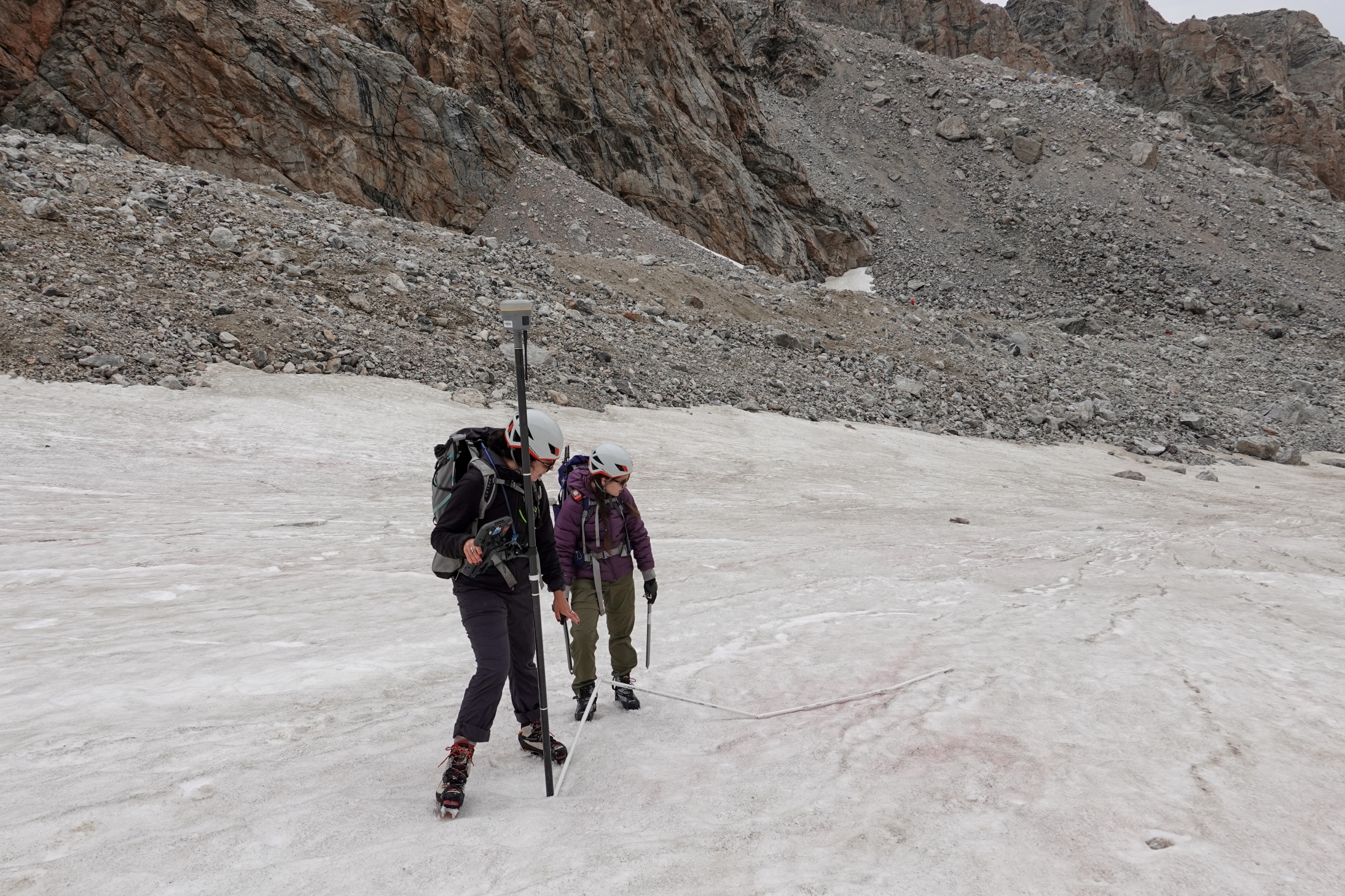
Despite their abundance, rock glaciers have only recently become a focus of scientific research in Grand Teton.
Because their ice is buried beneath layers of debris, scientists cannot study them using the same methods traditionally used to monitor surface glaciers.
Instead, researchers rely on several specialized tools, including ground-penetrating radar to investigate buried ice, LiDAR to measure changes in surface elevation, and drone and aerial imagery to track movement across the landscape. Long-term stream monitoring also helps scientists understand how these formations influence water availability downstream.
With support from Grand Teton National Park Foundation, park scientists began inventorying rock glaciers in 2025, studying their movement and estimating how much water they store.
Early findings suggest that many rock glaciers have experienced little to no surface elevation loss, even as nearby surface glaciers have thinned considerably in recent decades. Some may even contain greater long-term ice volume than neighboring glaciers.
Their relative stability is largely attributed to the thick layer of rock that protects the ice beneath, allowing these formations to persist even during years with limited snowfall.
Looking Toward the Future
While rock glaciers may be more resilient than exposed glaciers, they are not immune to a warming climate. Over time, sustained warming will affect these formations as well.
Still, their ability to retain ice longer than many surface glaciers could provide an important buffer for alpine ecosystems facing changing water conditions.
By studying rock glaciers now, scientists can better understand how water moves through the Teton Range, how alpine habitats may change, and what these changes could mean for the park's natural resources.
Through its partnership with Grand Teton National Park, the Foundation helps make this long-term scientific research possible, providing park scientists with the tools and resources needed to better understand and protect Grand Teton's changing landscape.
This article was adapted from information provided by Simeon Caskey, physical science branch chief at Grand Teton National Park. The Foundation thanks Simeon for sharing his expertise and ongoing research into the park's glaciers and alpine hydrology.
EXPLORE MORE STORIES: